Categories
Window Films and Tints

Consumer Advice for Heat Reflective Window Film

When it comes to enhancing the comfort and efficiency of your home, heat reflective window film can be a game-changer. This innovative solution not only helps in regulating indoor temperatures but also contributes to energy savings, offering a practical and stylish option for homeowners and interior designers alike. In this article, we will explore the various benefits of heat reflective window film, its installation process, and how it can serve as an effective tool in home improvement.

Understanding Heat Reflective Window Film

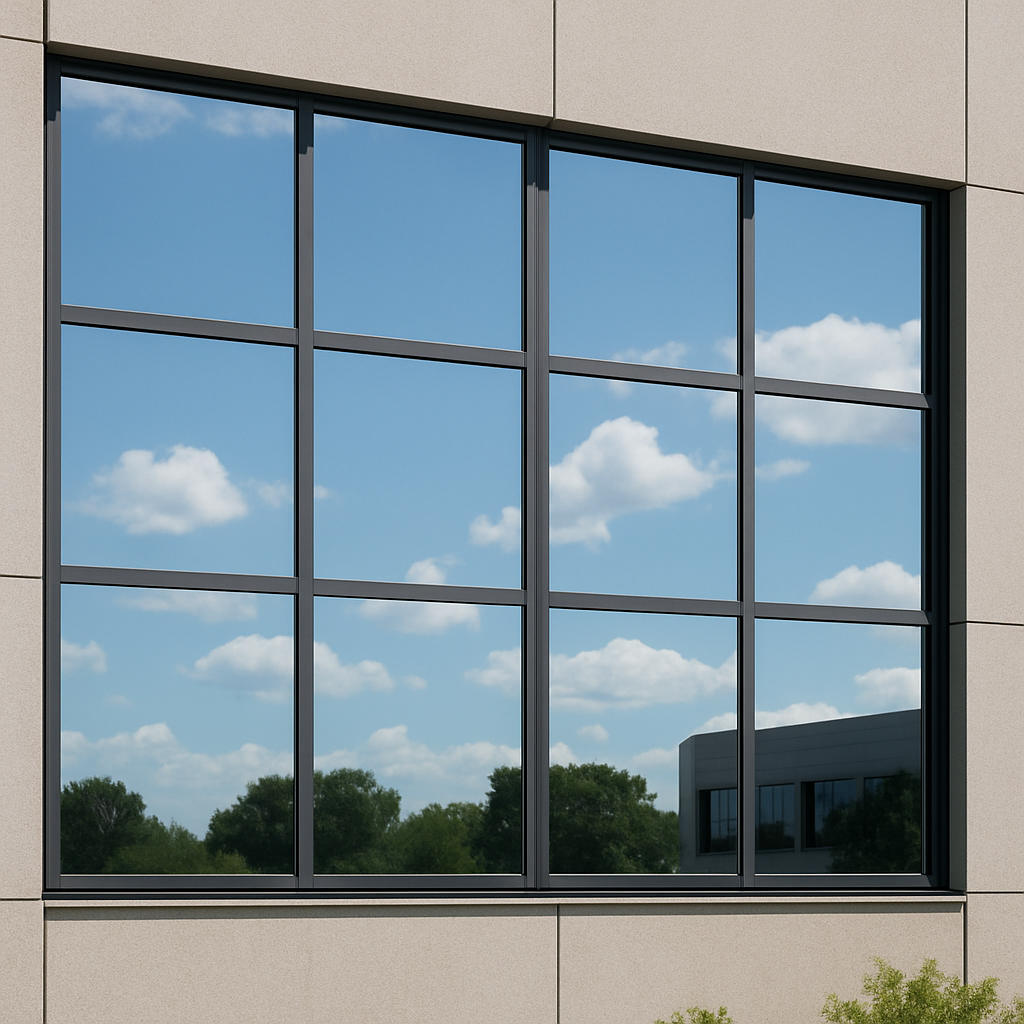
Heat reflective window film, also known as solar control film, is designed to reflect a significant portion of solar heat and reduce glare. This type of film is applied to the interior of windows and works by reflecting the sun’s rays away from the glass surface, thereby reducing the amount of heat that enters a room.

Key Benefits

  • Energy Efficiency: By reflecting solar heat, this film reduces the need for air conditioning, thereby lowering energy bills.
  • UV Protection: It blocks up to 99% of harmful UV rays, protecting your furniture, flooring, and fabrics from fading.
  • Glare Reduction: It minimizes glare on screens, making it easier to watch television or work on computers.
  • Privacy and Security: Some films offer enhanced privacy by making it harder for outsiders to see inside, while also providing a level of shatter resistance for added security.
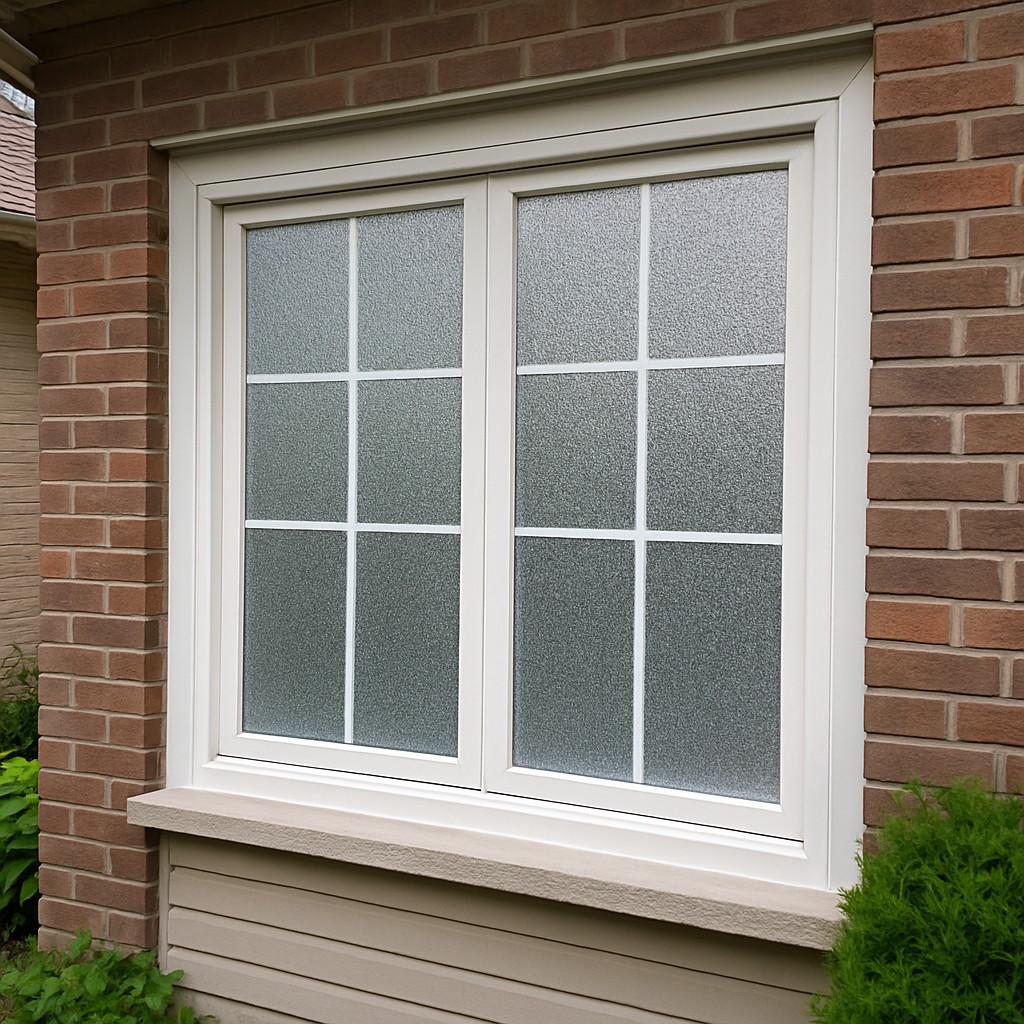
Privacy window film on a residential home

Window Insulation Film: A Complementary Solution

While heat reflective window film focuses on reducing heat and glare, window insulation film primarily targets enhancing thermal insulation. This type of film is especially beneficial during colder months as it helps in retaining indoor heat.

Advantages of Window Insulation Film

  • Improved Insulation: It adds an extra layer of insulation to windows, reducing heat loss and keeping your home warm during winter.
  • Cost Savings: By enhancing insulation, it reduces heating costs, providing savings on energy bills.
  • Easy Installation: Most insulation films are designed for easy DIY installation, making it an accessible option for homeowners.

Choosing the Right Film for Your Needs

When selecting a window film, consider your specific needs and the benefits you prioritize. Here are some factors to keep in mind:

Climate Considerations

If you live in a hot climate, heat reflective window film might be your top choice due to its ability to significantly reduce heat. Conversely, if you’re in a colder region, window insulation film might be more beneficial for retaining warmth.

Privacy Needs

If privacy is a primary concern, consider a privacy window film. This type of film is available in various patterns and opacities, allowing you to choose the level of privacy that suits your needs.

Aesthetic Preferences

Window films come in a variety of styles and finishes. Whether you prefer a subtle tint or a decorative pattern, there’s a film that can complement your interior design while providing the functional benefits you need.

Installation Process

Installing window film is a straightforward process, but it requires precision to ensure a smooth and bubble-free finish. Here’s a step-by-step guide:

Preparation

  1. Clean the Windows: Thoroughly clean the glass surface to remove any dirt, dust, or residue. A clean surface ensures better adhesion of the film.
  2. Measure and Cut: Measure your windows accurately and cut the film to size, leaving an extra inch on all sides to allow for adjustments during installation.

Application

  1. Wet the Surface: Use a spray bottle filled with soapy water to wet the glass. This helps in repositioning the film during application.
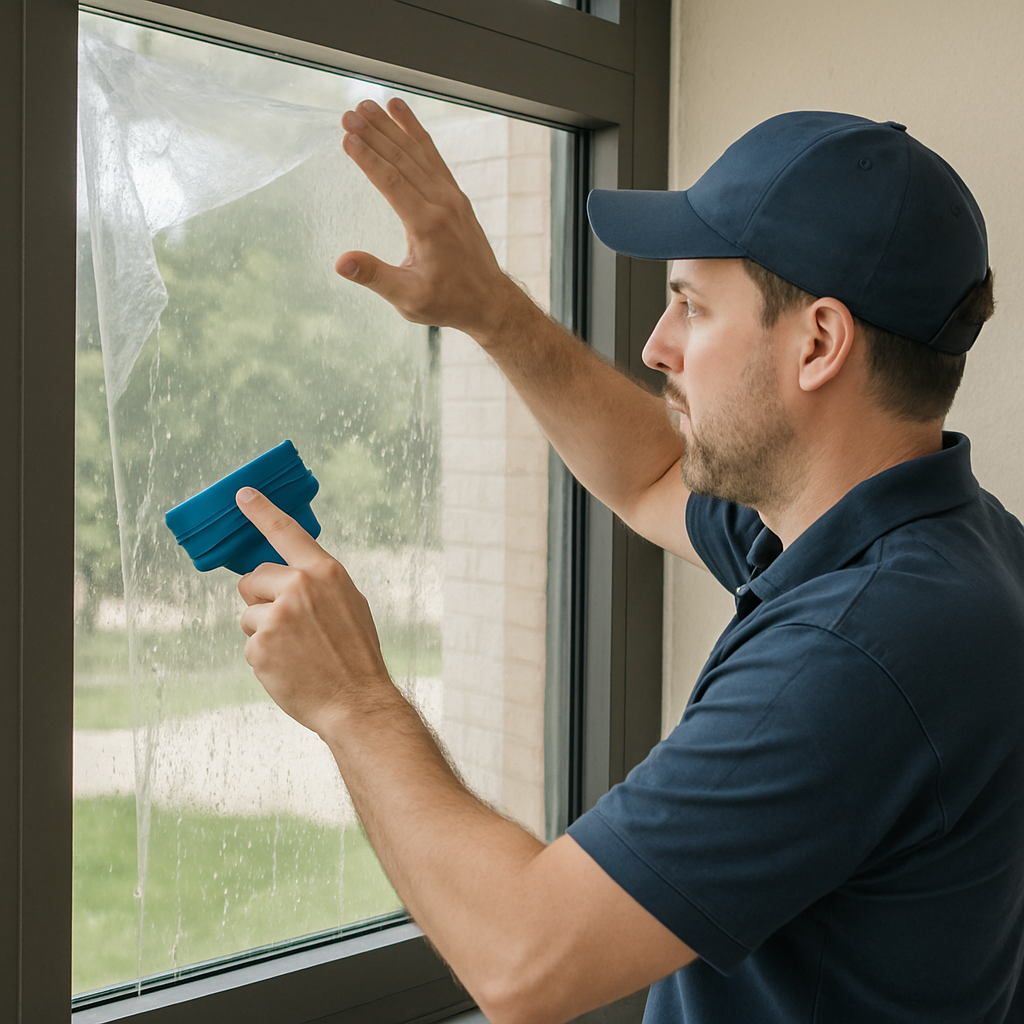
  2. Apply the Film: Peel the backing from the film and carefully apply it to the wet window surface. Start from the top and work your way down, smoothing out air bubbles with a squeegee.
  3. Trim the Excess: Once the film is securely in place, trim the excess from the edges using a utility knife.

Final Touches

  • Smooth Out: Use the squeegee to ensure all bubbles are removed and the film is firmly adhered to the glass.
  • Drying Time: Allow the film to dry completely, which can take a few days depending on the climate.
Window film installation process with tools

by Duc Van (https://unsplash.com/@duke91)

Maintenance and Care

Caring for your window film is simple. Use a soft cloth and mild soapy water for regular cleaning. Avoid abrasive materials or ammonia-based cleaners, as they can damage the film.

Conclusion

Heat reflective window film is a versatile and cost-effective solution for enhancing your home’s comfort and efficiency. Whether you’re looking to reduce energy bills, protect against UV rays, or add a layer of privacy, the right window film can meet your needs. By choosing a film that aligns with your climate and aesthetic preferences, you can enjoy a more comfortable and stylish living space. For interior designers, these films offer an eco-friendly option that complements various design styles while delivering practical benefits to clients. As a trusted expert in home improvement solutions, I encourage you to explore the possibilities of window film and transform your space with this innovative product.

Categories
Window Films and Tints

Understanding Window Films Materials Uses and Benefits

When it comes to enhancing your home, window films offer a versatile and effective solution. Whether you’re an interior designer looking to elevate a space aesthetically or a homeowner seeking practical benefits, window films can meet a diverse range of needs. This article will guide you through the materials, uses, and benefits of window films, helping you make informed decisions for your living spaces.

Window films are thin layers of polyester or vinyl applied to the interior or exterior of glass surfaces. They are designed to improve the performance of windows by providing several benefits such as UV protection, glare reduction, and enhanced privacy.

by Kira Laktionov (https://unsplash.com/@kiralaktionov)

Types of Window Films

There are various types of window films, each serving a specific purpose:

  1. Solar Control Films: These films reduce heat gain, minimize glare, and protect against UV radiation. They are ideal for homes in sunny climates.
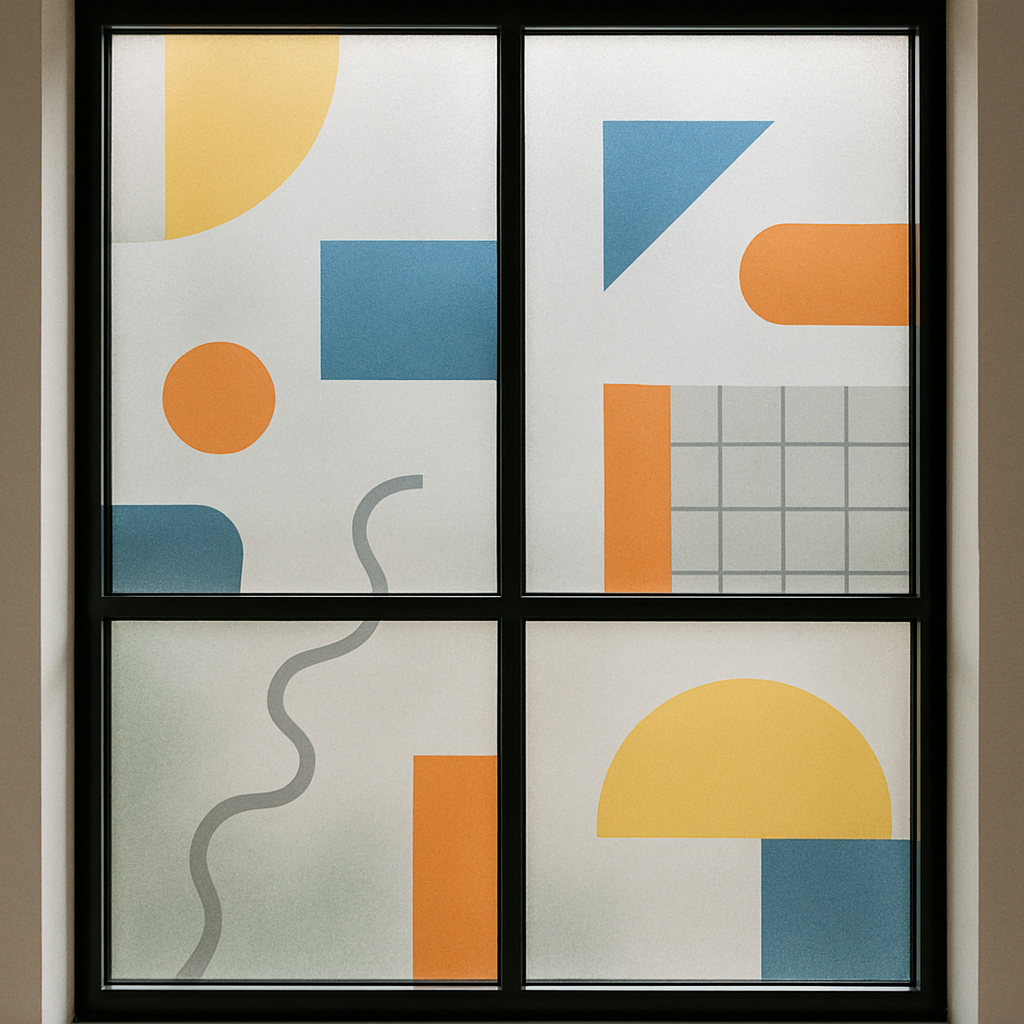
  2. Decorative Films: Available in a variety of patterns and colors, decorative films enhance the aesthetic appeal of windows without sacrificing natural light.
  3. Privacy Films: These films obscure the view from outside, providing privacy without the need for curtains or blinds.
  4. Security Films: Designed to hold shattered glass in place, security films add an extra layer of protection against break-ins or natural disasters.
  5. Insulating Films: These films help regulate indoor temperatures by reducing heat loss in the winter and heat gain in the summer.

Uses of Window Films

Window films are not only practical but also versatile. They serve multiple purposes across different settings:

Residential Uses

  • Energy Efficiency: By reducing heat gain and loss, window films can lower energy bills and maintain a comfortable indoor environment.
  • UV Protection: Films block up to 99% of harmful UV rays, protecting your furniture, flooring, and skin from damage.
  • Enhanced Privacy: With privacy films, you can enjoy natural light without compromising privacy.

Commercial Uses

  • Aesthetic Appeal: Decorative films can transform office spaces, creating a professional and stylish look.
  • Security: Security films provide an extra layer of protection for storefronts and office buildings.
  • Glare Reduction: By minimizing glare, window films enhance comfort and productivity in work environments.
Commercial window film application

Benefits of Window Films

Window films offer a wide array of benefits that make them a smart choice for any space:

Energy Savings

Window films can significantly reduce energy consumption by improving insulation. This leads to lower heating and cooling costs, making them an eco-friendly option.

UV Protection

The sun’s UV rays can cause fading and damage to your interiors. Window films block these rays, preserving the longevity and color of your furniture and flooring.

Improved Comfort

With glare reduction and temperature regulation, window films create a more comfortable living or working environment. This is especially beneficial in spaces with large windows or direct sunlight exposure.

Enhanced Privacy and Security

Privacy films are perfect for bathrooms, bedrooms, or any space where you need extra seclusion. Security films add a layer of safety by preventing glass from shattering during impacts.

Aesthetic Enhancement

Decorative films offer an affordable way to enhance the appearance of your windows. They are available in various styles, from frosted glass to intricate patterns, allowing for creative expression.

Installation Process

Installing window films is a straightforward process, but it requires precision for optimal results. It’s often best to hire professionals to ensure a clean and bubble-free application.

  1. Surface Preparation: The glass surface is cleaned thoroughly to remove any dust or debris.
  2. Film Application: The film is carefully measured, cut, and applied to the glass. A squeegee is used to remove air bubbles and ensure proper adhesion.
  3. Trimming and Finishing: Excess film is trimmed, and the edges are sealed for a seamless finish.

Choosing the Right Window Film

Selecting the appropriate window film depends on your specific needs and preferences. Consider the following factors:

  • Purpose: Identify whether you need films for privacy, energy efficiency, or decorative purposes.
  • Location: Consider the orientation of your windows and the amount of sunlight they receive.
  • Budget: Window films come in various price ranges, so determine your budget beforehand.
Choosing window films

by Steven Van Elk (https://unsplash.com/@stevenvanelk)

Conclusion

Window films are a versatile and cost-effective solution for improving both the functionality and aesthetics of your space. By understanding the materials, uses, and benefits of window films, you can make informed decisions that enhance your home or commercial environment. Whether you’re aiming to save on energy bills, boost privacy, or add a decorative touch, window films offer a myriad of possibilities.

For those seeking to combine style with sustainability, window films provide an excellent solution that meets both aesthetic and practical needs. As an interior designer or homeowner, investing in window films can transform your space while delivering long-term benefits. Embrace the potential of window films and enhance your living or working environment today.

Categories
Window Films and Tints

A Fresh Take on Security Film For Windows

In the realm of home improvement, the allure of window enhancements often centers around aesthetics and energy efficiency. However, as concerns about safety grow, there is a rising interest in security film for windows. This innovative solution not only bolsters your home’s security but also adds a layer of sophistication and functionality that can seamlessly blend with your interior design goals.

What is Security Film for Windows?

Security film for windows is a robust protective layer applied to glass surfaces. It serves as a barrier that holds shattered glass together in the event of a breakage, reducing the risk of injury from flying shards and making it more difficult for intruders to penetrate.

The Key Benefits of Window Security Film

Window security film is a versatile solution that offers a host of benefits:

  • Enhanced Security: This film acts as an invisible shield, making it significantly harder for would-be intruders to break through glass windows and doors.
  • UV Protection: Many security films also block harmful UV rays, protecting your interior furnishings from fading and deteriorating over time.
  • Energy Efficiency: By reducing heat transfer, window films can help maintain indoor temperatures, potentially lowering your heating and cooling costs.
  • Glare Reduction: Security films can also minimize glare on digital screens and improve comfort inside your home.
security_film_installation

How Does Window Security Film Work?

The science behind window security film is straightforward yet effective. The film is a polyester-based product that adheres to the glass surface, forming a bond that absorbs the shock from impacts. Should the glass break, the film holds the pieces in place, preventing them from scattering.

Types of Security Film for Windows

Security films come in various thicknesses and styles, each suited to specific needs:

  • Clear Security Film: Offers protection without altering the appearance of your windows, ideal for those who prefer an unobtrusive look.
  • Tinted Security Film: Provides additional privacy and reduces glare, while also offering the same level of security.
  • Decorative Security Film: Combines aesthetics with functionality, available in various patterns and colors to match your interior design.

Choosing the Right Film for Your Needs

Selecting the appropriate window film involves considering several factors:

Assessing Your Security Needs

Begin by evaluating your home’s specific security requirements. If you live in an area prone to severe weather or high crime rates, a thicker film might be more suitable.

Aesthetic Considerations

Consider how the film will integrate with your existing decor. Tinted or decorative films can enhance privacy and add a stylish touch to your windows.

Professional Installation vs. DIY

While some may opt for a do-it-yourself approach, professional installation ensures the film is applied correctly, maximizing its effectiveness. Professionals have the tools and expertise to handle large or intricate windows without issues.

professional_window_film_application

by Joshua Kettle (https://unsplash.com/@joshuakettle)

Real-Life Applications of Window Security Film

To illustrate the versatility of security film, let’s explore a few scenarios where it can make a significant impact:

Residential Homes

For homeowners, security film offers peace of mind. It’s a cost-effective upgrade that enhances safety without compromising on style. Whether you’re securing a family home or a vacation property, window films provide an added layer of protection.

Commercial Spaces

In commercial settings, window films can protect valuable merchandise and sensitive information. Offices and retail stores can benefit from the added security and UV protection, prolonging the life of their furnishings and displays.

Schools and Public Buildings

For institutions that prioritize safety, window films can be a vital component of their security strategy. Schools, government buildings, and hospitals can enhance the safety of students, staff, and visitors with this unobtrusive solution.

Maintaining Your Window Security Film

Once installed, maintaining your window security film is crucial to ensuring its longevity and effectiveness:

  • Cleaning: Use mild, non-abrasive cleaners and a soft cloth to clean the film. Avoid harsh chemicals and rough materials that could scratch the surface.
  • Inspection: Regularly inspect the film for signs of wear or peeling. Address any damage promptly to maintain optimal protection.

Conclusion: A Versatile Solution for Modern Homes

Security film for windows is a versatile solution that addresses both safety and style. By choosing the right film and ensuring proper installation, you can enhance your home’s security and enjoy the added benefits of energy efficiency and UV protection.

For interior designers seeking to provide clients with comprehensive solutions, security film for windows offers an attractive, cost-effective option that complements any design. With its blend of functionality and aesthetics, window security film is indeed a fresh take on modern home improvement.

Embrace this innovative solution to transform your living spaces into safe, stylish, and energy-efficient environments. Your windows will not only be a source of natural light but also a steadfast guardian of your home’s security.

Categories
Window Films and Tints

Making the Most of Home Window Tinting

Home window tinting has grown in popularity as more homeowners look to enhance the comfort and aesthetic appeal of their spaces. This versatile solution not only improves the look of your home but also offers practical benefits, such as increased energy efficiency and privacy. In this article, we will explore the various advantages of home window tinting and how you can make the most of this innovative solution.

Home window tinting involves applying a thin film to the interior or exterior of glass surfaces in your home. These films are available in various shades, colors, and materials, allowing you to choose the perfect option for your home’s unique requirements.

Types of Window Tinting Films

There are several types of window tinting films to consider, each offering different benefits:

  1. Solar Control Films: These films are designed to reduce heat and glare from the sun, helping to maintain a comfortable indoor temperature and reduce energy costs.
  2. Decorative Films: Offering an aesthetic boost, decorative window tinting films come in a variety of patterns and colors, enhancing the visual appeal of your windows while providing privacy.
  3. Safety and Security Films: These films strengthen windows, making them more resistant to shattering. They provide added protection against break-ins and natural disasters.
  4. UV Protection Films: These films block harmful UV rays, protecting your furniture, flooring, and artwork from fading over time.

Benefits of Window Tinting at Home

Home window tinting provides several benefits that go beyond just aesthetics.

Energy Efficiency

One of the most significant advantages of home window tinting is its ability to improve energy efficiency. By reducing heat gain through windows, tinted films help maintain a consistent indoor temperature. This reduces the need for air conditioning, leading to lower energy bills. Over time, the savings on energy costs can offset the initial investment in window tinting.

Enhanced Privacy and Security

Close-up of decorative window film

Window tinting can also enhance privacy by limiting the view into your home from the outside. This is particularly beneficial for homes located in busy neighborhoods or near public areas. Additionally, security films provide an extra layer of protection by making windows more difficult to break.

UV Protection

Exposure to ultraviolet (UV) rays can cause damage to your skin and fade your home’s interiors. Window tinting films block up to 99% of UV rays, preserving the longevity of your furniture and flooring, and offering protection for you and your family.

Aesthetic Appeal

Decorative window tints can transform the appearance of your home by adding a touch of style and elegance. Whether you prefer a modern, sleek look or a more traditional design, there’s a decorative film to match your taste.

Choosing the Right Window Tinting for Your Home

Selecting the right window tinting film for your home depends on your specific needs and preferences. Here are some factors to consider:

Climate and Location

Consider the climate in your area when choosing a window tint. For instance, if you live in a region with hot summers, solar control films may be more beneficial. Conversely, if privacy is a primary concern, opt for films that offer greater opacity.

Aesthetics

The aesthetic appeal of your home is important, and window films can play a significant role in complementing your interior design. Decorative films are available in numerous patterns and finishes, allowing you to express your personal style.

Professional Installation vs. DIY

While DIY window tinting kits are available, professional installation ensures a high-quality finish and optimal performance. Experts have the skills and tools to apply the films evenly, without air bubbles or wrinkles, ensuring longevity and effectiveness.

Budget

Consider your budget when selecting a window tinting solution. While high-quality films may have a higher upfront cost, they often offer better performance and durability, resulting in greater long-term savings.

Installation Process

Professional installing window tint

by Garvit Nama (https://unsplash.com/@garvitnama)

The installation process for home window tinting can vary depending on whether you choose a DIY approach or hire professionals.

DIY Installation

If you decide to install window tinting yourself, follow these steps:

  1. Prepare the Surface: Clean the windows thoroughly to remove any dust, dirt, or grime that might affect the adhesion of the film.
  2. Measure and Cut: Measure your windows carefully and cut the film to size, leaving a small margin for adjustments.
  3. Apply the Film: Peel the backing from the film and apply it to the window, smoothing out any air bubbles with a squeegee.
  4. Trim and Finish: Use a sharp blade to trim the edges of the film for a neat finish.

Professional Installation

Hiring a professional ensures that your window tinting is applied correctly and efficiently. Professionals use specialized tools and techniques to achieve a flawless finish, saving you time and reducing the risk of errors.

Maintaining Your Window Tint

Proper maintenance of window tinting films can extend their lifespan and maintain their appearance. Here are some tips for keeping your window tint in top condition:

  • Avoid Harsh Cleaners: Use a mild soap solution and a soft cloth or sponge to clean tinted windows. Avoid abrasive cleaners and tools that could scratch the film.
  • Regular Cleaning: Clean your windows regularly to prevent the buildup of dirt and grime, which can affect the clarity and appearance of the tint.
  • Inspect for Damage: Periodically check for any signs of peeling, bubbling, or discoloration. Address any issues promptly to prevent further damage.

Conclusion

Home window tinting is a practical and stylish solution for enhancing your living space. From reducing energy costs to improving privacy and adding aesthetic appeal, the benefits are numerous. By understanding the different types of films and considering professional installation, you can make the most of home window tinting and enjoy a more comfortable, beautiful home. Whether you’re an interior designer seeking to elevate a client’s space or a homeowner looking to improve your own, window tinting offers a versatile and effective solution.