Categories
Window Films and Tints

Best Ways to Use Heat Reflective Window Film

# Best Ways to Use Heat Reflective Window Film

When considering ways to enhance home comfort and energy efficiency, heat reflective window film stands out as an innovative solution. As a skilled communicator in the field of home improvement, I’ll guide you through the myriad benefits and applications of this transformative product. With a focus on quality and precision, you’ll learn how to tailor these solutions to meet individual needs, whether for privacy, energy savings, or aesthetic appeal.

Heat reflective window film is a thin, multi-layered film applied to windows. It’s designed to reflect a significant amount of the sun’s heat, helping to keep indoor spaces cooler. By doing so, it reduces the load on air conditioning systems, which can lead to noticeable energy savings.

How Does It Work?

The film is composed of metallic particles that reflect infrared rays from the sun. These rays are primarily responsible for heating indoor spaces. By reflecting them away, the film maintains a more consistent indoor temperature, even during peak sunlight hours.

Benefits of Heat Reflective Window Film

  1. Energy Efficiency: One of the primary advantages of heat reflective window film is its ability to enhance energy efficiency. By reducing the amount of heat entering a home, less energy is required for cooling, leading to lower energy bills.
  2. Improved Comfort: Maintaining a stable indoor climate enhances comfort, particularly in rooms with large windows or where air conditioning may struggle to keep up with heat gain.
  3. UV Protection: These films also block up to 99% of harmful UV rays, which can fade furniture, flooring, and artwork. This protection extends the life of interior furnishings.
  4. Privacy and Security: Reflective window films offer increased privacy during the daytime as they obscure the view from outside, while still allowing those inside to see out. Certain films can also add a layer of security by holding glass shards together in the event of a breakage.

Applications of Reflective Window Film

Application of window film in office space

Reflective window film isn’t just for residential use; it’s also widely applied in commercial settings. Here are some of the best ways to use it:

Residential Applications

  1. Living Rooms and Sunrooms: These are often the brightest rooms in a house but can also become uncomfortably warm. Applying heat reflective film can help maintain a comfortable temperature without sacrificing natural light.
  2. Bedrooms: For those who enjoy sleeping in a cooler room or want to block early morning sunlight, reflective window film is an excellent choice.
  3. Home Offices: With more people working from home, a comfortable work environment is crucial. Reflective window film can reduce glare on screens and maintain a pleasant temperature.

Commercial Applications

  1. Office Buildings: Reduce glare and improve comfort for employees working near windows, while also lowering cooling costs.
  2. Retail Spaces: Protect merchandise from UV damage and create a more comfortable shopping environment for customers.
  3. Restaurants and Cafes: Enhance the dining experience by maintaining a pleasant temperature and reducing glare, particularly in outdoor seating areas.

Choosing the Right Reflective Window Film

Selecting the right window film involves considering several factors, including the level of heat reduction, privacy needs, and aesthetic preferences.

Heat Reduction

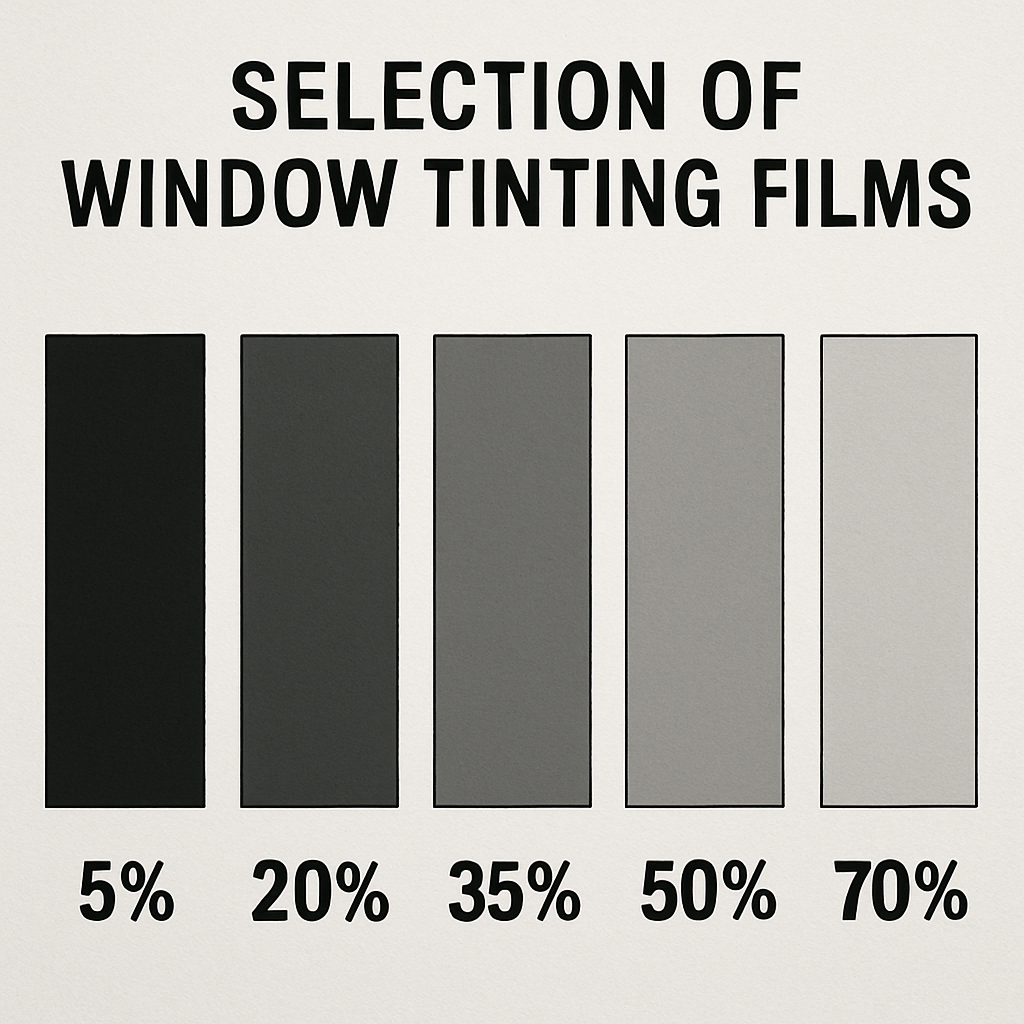
Films come with different levels of heat rejection capabilities. Consider the climate of your location and the specific needs of each room or space to select the appropriate film.

Privacy Needs

If privacy is a primary concern, opt for films with a higher level of reflectivity. These films provide one-way visibility, allowing you to see out without letting others see in.

Aesthetic Preferences

Reflective films come in various shades and finishes. Choose a style that complements your home’s exterior and interior design. Some films offer a mirrored look, while others have a more subtle tint.

Installation Tips for Reflective Window Film

Professional window film installation

by Thomas Marquize (https://unsplash.com/@tomarquize)

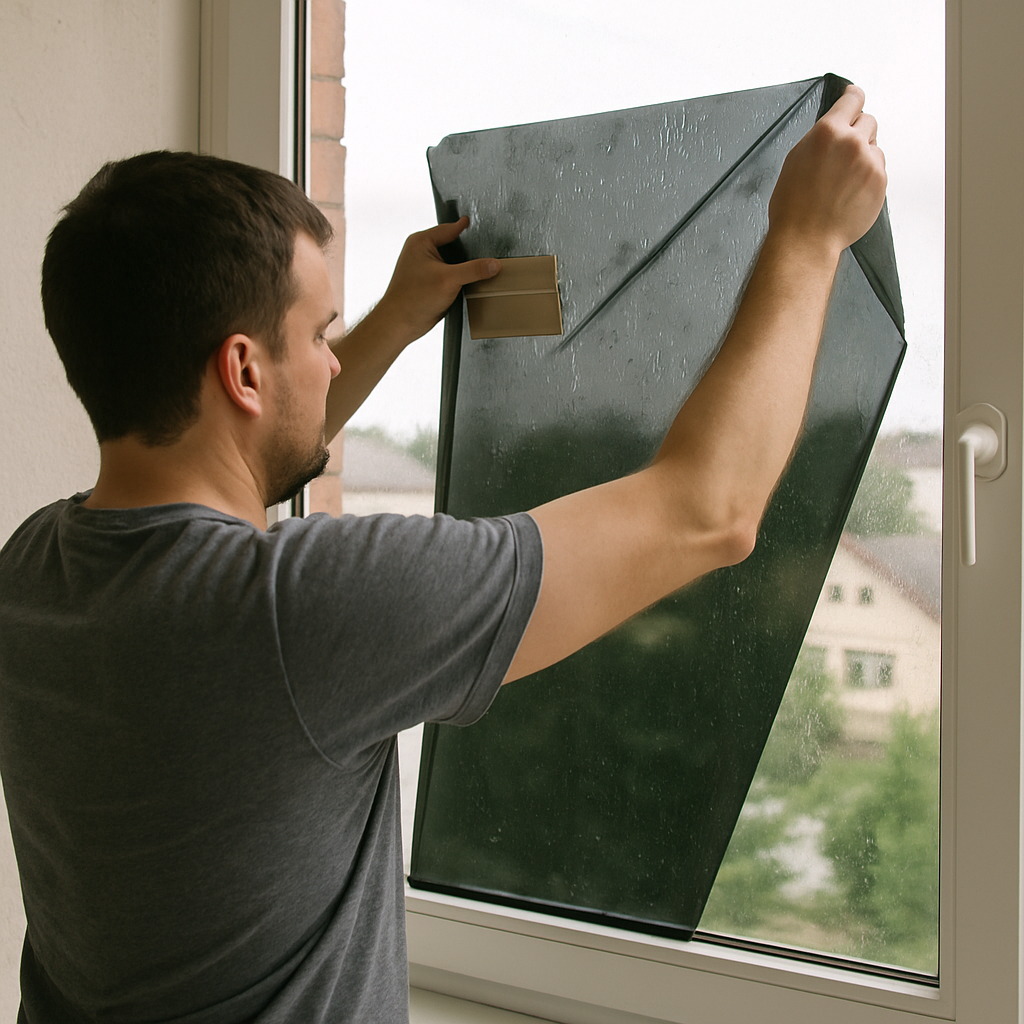
While DIY installation is possible, professional installation is recommended to ensure optimal performance and longevity.

Preparing for Installation

  1. Clean the Windows: Start with thoroughly cleaning the windows to remove any dirt, dust, or debris that could interfere with the film’s adhesion.
  2. Measure Carefully: Accurately measure each window to ensure the film is cut to the correct size.

Professional Installation

Hiring a professional installer guarantees a bubble-free application and can extend the life of your window film. Professionals have the tools and experience needed to apply the film smoothly and evenly.

Maintenance

Once installed, heat reflective window film requires minimal maintenance. Simply clean the windows with a soft cloth and mild, non-abrasive cleaner to keep the film looking its best.

Conclusion

Heat reflective window film is a versatile, cost-effective solution for enhancing energy efficiency, comfort, and privacy in both residential and commercial settings. By understanding its benefits and applications, as well as how to choose and install the right film, you can make informed decisions that align with your specific needs and preferences.

As a trusted source of information in home improvement solutions, I hope this guide empowers you to incorporate heat reflective window film into your projects, delivering both style and substance to your living spaces.

Categories
Window Films and Tints

Residential Window Films vs Commercial Window Films: Which One Works Best for Your Space?

Window films are one of the most searched upgrades for homes and businesses in Toronto and the GTA. People search for window films because rooms feel too hot, glare hits screens all day, privacy feels weak, or energy bills keep going up. Others look into window films because windows feel unsafe or furniture keeps fading.

But once people start reading, confusion kicks in fast.

Residential window films. Commercial window films.

The names sound close. The use is not.

Both are window films. Both stick to glass. Both help with heat, glare, and UV. But they are built for different spaces, different problems, and different expectations.

If you live or work in Toronto or the GTA, this guide explains window films in plain words. No fluff. No hype. Just real info from jobs done across condos, homes, shops, and offices.

Why People in Toronto Search for Window Films

Most people do not search for window films because they love glass. They search because something feels off.

Condos near the lake heat up before noon. Older homes in East York feel drafty in winter. Offices downtown get screen glare every afternoon. Retail shops worry about break-ins after dark.

Window films show up as a solution. And most times, they help.

The problem starts when the wrong type of window film gets picked.

Residential Window Films Explained Simply

Residential window films are made for places where people live. Houses. Condos. Townhomes. Basement suites. Bedrooms. Living rooms. Kitchens.

In the GTA, residential window films are common in south-facing condos downtown, semi-detached homes in North York, townhomes in Vaughan, and older houses with big front windows.

People usually reach out after one of these issues shows up:

  • One room feels way hotter than the rest
  • Glare hits the TV or phone every afternoon
  • Neighbours can see inside at night
  • Floors or couches fade near windows
  • Hydro bills keep climbing

Residential window films help fix these problems without changing how the home looks.

What Residential Window Films Are Made For

Residential window films focus on comfort first.

  • They reduce heat before it enters the glass
  • They cut glare without dark rooms
  • They block UV that fades furniture
  • They add daytime privacy
  • They help rooms feel more even all year

Most residential window films are thinner than commercial films. That matters because home glass reacts more to heat and cold, especially during Toronto winters.

The goal is simple. The room feels better. The window still looks normal.

How Residential Window Films Look Inside a Home

This part matters more than people expect.

Most homeowners want light, not dark windows. Residential window films are designed to blend in.

  • Clear or near-clear heat control films
  • Light neutral tints
  • Frosted films for bathrooms and doors
  • Soft reflective films for daytime privacy

At night, reflective films lose privacy when lights turn on. Frosted films keep privacy all the time. This detail gets missed a lot.

Local Example: Downtown Toronto Condo

A couple living in a south-facing condo near Harbourfront called after their living room hit 29 degrees by early afternoon. Curtains helped a bit, but the room felt closed in.

A clear residential window film was installed. The room cooled down by several degrees on sunny days. The view stayed clear. Glare dropped enough to watch TV again. No dark look. No condo board issues.

This is where residential window films work well.

Installing Residential Window Films in the GTA

Toronto homes use many types of glass. Old single-pane windows. New double and triple-pane units. Bay windows. Sliding doors.

A professional window film installer checks:

  • Glass type
  • Window age
  • Seal condition
  • Sun exposure

The wrong film on the wrong glass can cause stress cracks. This happens more in winter when temps swing fast. That is why residential window films should be installed by someone who works with GTA homes.

Commercial Window Films Explained Simply

Commercial window films are made for work spaces. Offices. Retail stores. Clinics. Schools. Condo common areas.

In Toronto and the GTA, commercial window films are common in downtown office towers, street-level shops, medical buildings, and business parks.

The problems are bigger and more spread out.

What Commercial Window Films Are Made For

Commercial window films focus on performance and durability.

  • They control heat across large glass areas
  • They reduce glare on screens
  • They help staff feel more comfortable
  • They add privacy to offices and clinics
  • They slow break-ins with security film

Many commercial window films are thicker than residential films. Security films are designed to hold broken glass together after impact.

Office Comfort and Daily Work

This comes up on almost every office job.

Some desks feel freezing. Others feel hot. Windows cause uneven temps.

Commercial window films reduce solar heat gain across the space. That helps balance temperatures and reduce screen glare. Complaints drop fast.

Retail Example: Queen Street Shop

A retail shop near Queen Street dealt with two break-ins in one year. After installing clear security window film, another attempt cracked the glass but did not allow entry.

The damage was lower. Downtime was shorter. Insurance issues slowed down.

This is where commercial window films matter.

Installing Commercial Window Films

Commercial window film installs need planning.

  • Large glass surfaces
  • Lifts or scaffolding
  • After-hours work
  • Building approval

This is not DIY work. A poor install can peel, bubble, or fail inspections.

Residential Window Films vs Commercial Window Films

Residential window films focus on comfort, privacy, and appearance in living spaces.

Commercial window films focus on performance, safety, and durability in work spaces.

Both are window films. They solve different problems.

Which Window Films Should You Choose?

If people live in the space, relax there, and sleep there, residential window films usually fit best.

If people work there, shop there, or visit daily, commercial window films usually make more sense.

Condos sit in the middle. Units use residential window films. Lobbies and gyms often use commercial window films.

Seasonal Issues in Toronto That Matter

Toronto summers bring strong sun through south and west windows. Winters bring cold glass and drafts. UV hits year round, even on cloudy days.

Window films help with heat, glare, and fading when the right type is used.

Cost Questions People Ask About Window Films

Many people ask if window films cost less than new windows. In most cases, they do.

Window films install faster, cost less, and avoid construction mess. They do not fix broken frames, but they help with comfort and energy use.

Why Local Experience Still Matters

Toronto buildings vary a lot. Old homes. New towers. Heritage rules. Condo boards.

Installers with local experience know what window films work in GTA weather and which films last.

Final Thoughts

Window films are not one-size-fits-all.

Residential window films and commercial window films both work when used in the right place. Choosing the wrong one causes problems later.

If you want clear advice on window films for your home or business, speak with a local team that installs window films across Toronto and the GTA.

To learn more or get real answers before deciding, visit https://tintly.ca/.

Categories
Window Films and Tints

Consumer Advice for Solar Film For Windows

# Consumer Advice for Solar Film For Windows

In today’s world, homeowners are increasingly looking for ways to enhance their living spaces while also being mindful of energy efficiency. One solution that addresses both these needs is solar film for windows. If you’re unfamiliar with solar window tint, this guide will provide you with all the information you need to make an informed decision.

Solar film, also known as solar window tint, is a thin layer of material applied to the interior or exterior of glass surfaces. Its primary purpose is to reduce heat, glare, and ultraviolet (UV) radiation entering through the windows. By doing so, it helps maintain a comfortable indoor environment, protects interior furnishings from sun damage, and enhances energy efficiency. According to the U.S. Department of Energy, properly selected window films can significantly reduce solar heat gain and improve indoor comfort.

Benefits of Solar Window Tint

Energy Efficiency

One of the biggest advantages of solar film is its ability to improve energy efficiency. By reducing the amount of heat that enters your home, solar film helps to keep indoor temperatures stable. This means your air conditioning system doesn’t have to work as hard, leading to potential savings on energy bills. To better understand the solar window films benefits, explore how different film technologies contribute to long-term comfort and savings.

UV Protection

Solar film blocks up to 99% of harmful UV rays. This not only protects your skin but also prevents fading and damage to your furniture, flooring, and artwork. Over time, exposure to UV rays can cause significant wear and tear on your interiors, making solar film a wise investment. The Environmental Protection Agency (EPA) highlights the importance of limiting UV exposure to protect both skin and indoor materials.

Glare Reduction

Do you ever struggle to see your computer screen or television because of sunlight streaming in through the windows? Solar window tint can significantly reduce glare, making it easier to work, watch TV, or simply enjoy your indoor spaces without squinting.

Types of Solar Film

Different types of solar film

There are several types of solar films available, each catering to different needs and preferences. Here’s a quick overview of the most common options:

Reflective Solar Film

Reflective solar film has a mirrored appearance from the outside. It is highly effective at reducing heat and glare, making it a popular choice for homes in sunny climates. This type of film offers excellent privacy during the day, as it reflects the outside view.

Non-Reflective Solar Film

If you prefer a more natural look, non-reflective solar film might be the right choice. It reduces heat and glare while maintaining a clear view through the windows. This type of film is less effective at providing privacy but offers a subtler appearance.

Dual-Reflective Solar Film

Dual-reflective films combine the benefits of reflective and non-reflective films. They are reflective on the outside for privacy and heat reduction, while the inside has a low-reflective finish, allowing for clear views and reduced glare.

Decorative Solar Film

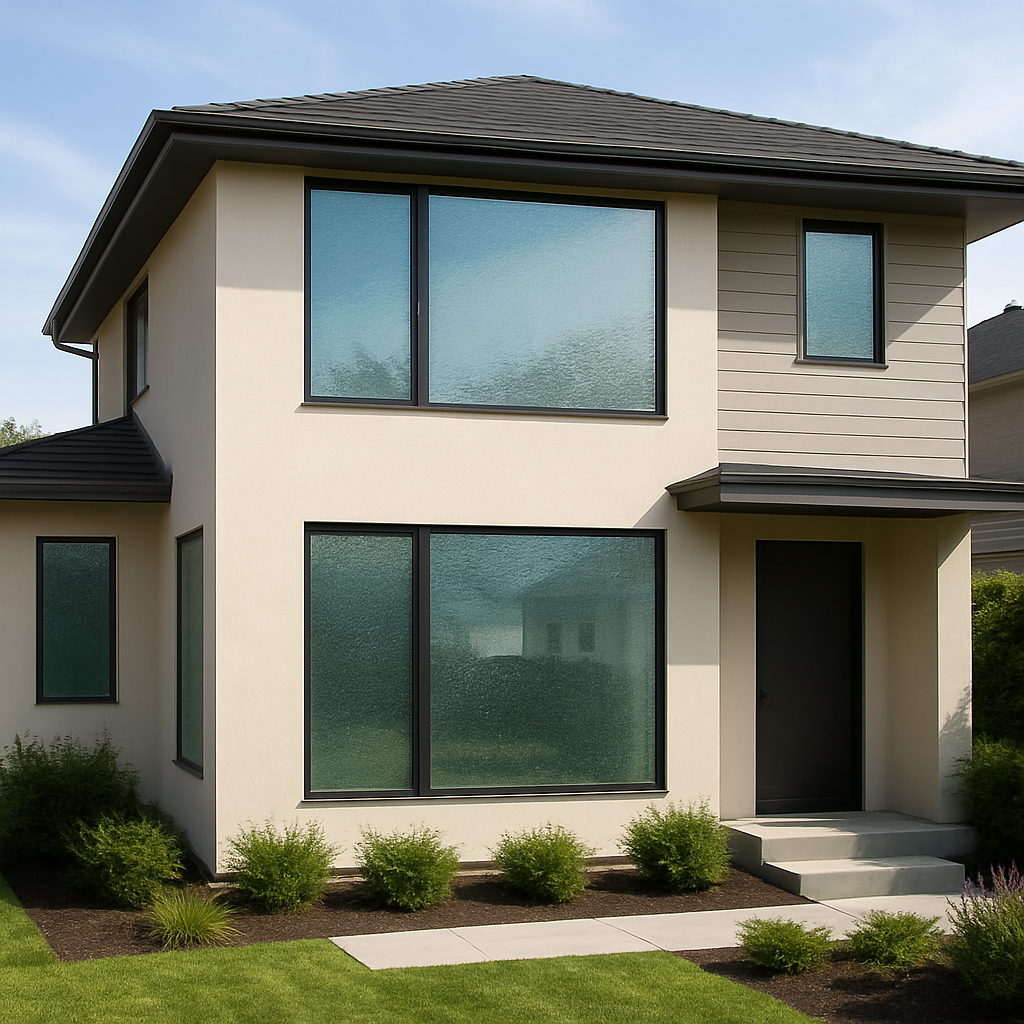
For those interested in aesthetics, decorative solar films come in various patterns and colors. They add a stylish touch to your windows while still offering the benefits of heat and UV protection.

Solar Film Installation

Professional solar film installation

by Emmanuel Appiah (https://unsplash.com/@exappiah)

Proper installation is crucial to getting the most out of your solar film. While some homeowners choose to apply solar film themselves, hiring a professional can ensure a flawless finish and long-lasting results.

DIY Installation

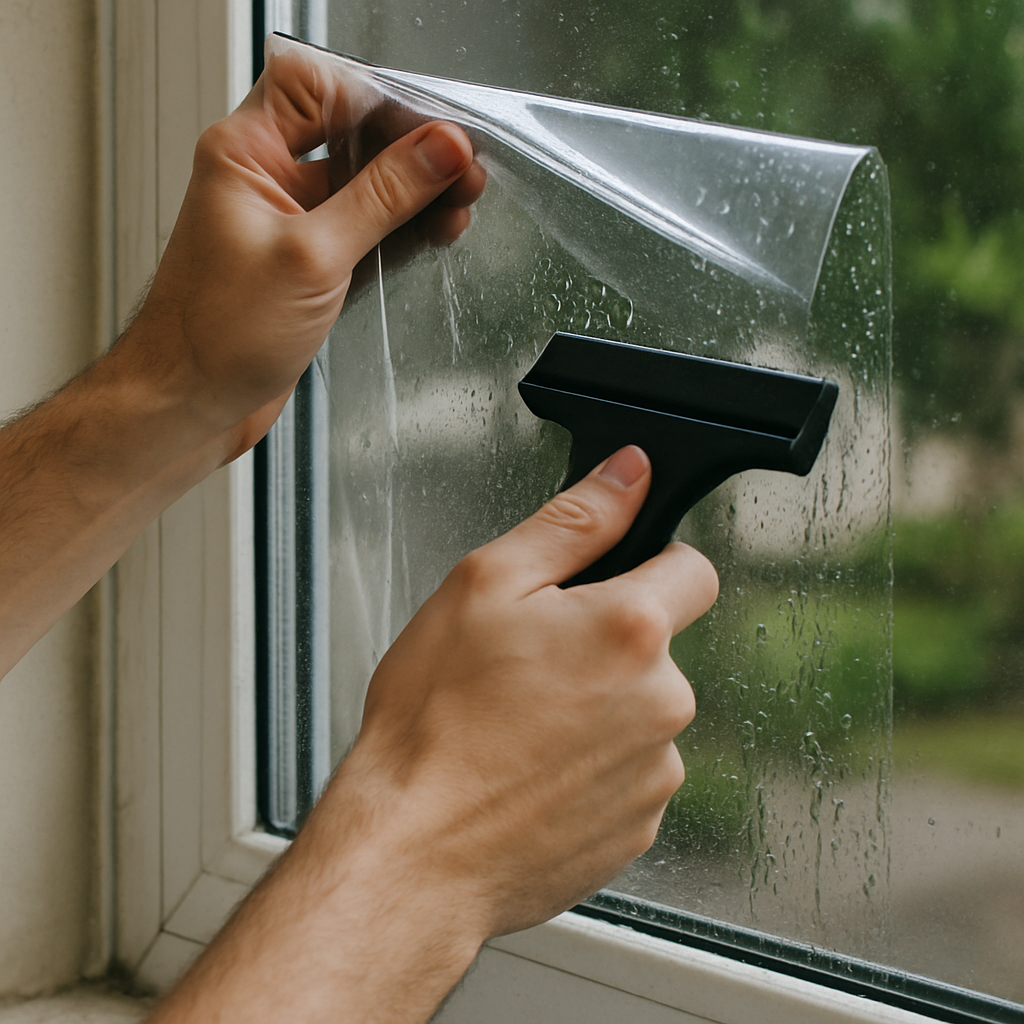
If you’re considering a DIY approach, make sure to follow the manufacturer’s instructions carefully. Clean the windows thoroughly before application to avoid bubbles and creases. It’s also important to choose the right tools, such as a squeegee and a utility knife, to achieve a smooth finish.

Professional Installation

Hiring a professional installer ensures that your solar film is applied correctly and efficiently. Professionals have the experience and tools needed to handle any challenges, such as applying film to large or unusually shaped windows. They can also provide valuable advice on the best type of film for your specific needs.

Cost Considerations

The cost of solar film installation varies based on several factors, including the type of film, window size, and whether you choose DIY or professional installation. On average, you can expect to pay between $5 and $15 per square foot for professional installation. While this may seem like a significant investment, the energy savings and protection benefits can offset the initial cost over time.

Factors Influencing Cost

  • Type of Film: High-performance films or decorative options tend to be more expensive.
  • Window Size and Shape: Larger or custom-shaped windows may require more time and materials.
  • Installation Method: DIY installation is cheaper but may not provide the same quality results as professional installation.

Choosing the Right Solar Film

When selecting solar film for your windows, consider your specific needs and priorities. Do you value privacy, energy efficiency, or aesthetics the most? Your choice will depend on these factors, as well as your budget.

Tips for Making the Right Choice

  • Assess Your Needs: Determine what you want to achieve with solar film installation. Is it primarily for energy savings, UV protection, or privacy?
  • Research Options: Familiarize yourself with the different types of films and their benefits.
  • Consult a Professional: For personalized advice, consider consulting a professional installer who can recommend the best options for your home.

Conclusion

Solar film for windows is an excellent choice for homeowners looking to enhance their living spaces while improving energy efficiency. Whether you opt for a reflective, non-reflective, dual-reflective, or decorative film, the benefits of reduced heat, glare, and UV protection make it a valuable addition to any home.

By understanding the different types of films available and considering professional installation, you can make an informed decision that meets your needs and budget. Embrace the power of solar window tint and transform your home into a more comfortable and energy-efficient environment.

Categories
Window Films and Tints

Beginner Advice on Glass Protection Film

When it comes to protecting your windows and enhancing the beauty of your home, glass protection film offers an innovative solution. If you’re new to the concept of glass film, this guide will walk you through the basics, helping you make an informed decision about whether it’s the right choice for your home improvement project.

Glass protection film, also known as window film or screen protector, is a thin laminate film that can be installed on the interior or exterior of glass surfaces in homes and buildings. It serves multiple purposes, from enhancing security to improving energy efficiency and adding a decorative touch.

Why Consider Glass Protection Film?

Enhancing Aesthetics

Glass films can elevate the appearance of your windows with a variety of designs, patterns, and colors. Whether you’re aiming for a sleek, modern look or something more traditional, there’s a film to match your interior design goals. With glass films, you can turn ordinary windows into stylish focal points that complement your decor.

Boosting Energy Efficiency

One of the most appealing benefits of glass protection film is its ability to improve a building’s energy efficiency. By reducing heat gain in the summer and minimizing heat loss in the winter, these films help maintain a comfortable indoor climate and lower your energy bills. This is especially advantageous for interior designers who prioritize eco-friendly solutions. According to the U.S. Department of Energy, window coverings and films can significantly reduce heat loss and improve insulation performance.

Increasing Privacy and Security

Glass protection films can also enhance privacy by obstructing the view from outside without blocking natural light. For added security, certain films are designed to hold glass fragments together in the event of breakage, reducing the risk of injury and deterring potential intruders.

Window with decorative glass film

Types of Glass Protection Film

Understanding the different types of glass films will help you select the right one for your needs.

Decorative Films

These films are perfect for adding a touch of elegance or personality to your windows. With a wide range of colors, patterns, and textures available, decorative films can transform plain glass into a stunning design element.

Solar Control Films

Solar control films are designed to reduce glare and block harmful UV rays, protecting your furniture and flooring from fading. By managing heat transfer, these films help maintain a consistent temperature indoors, enhancing comfort and reducing reliance on HVAC systems.

Safety and Security Films

For those concerned about safety, security films are a great option. These films are thicker and designed to hold shattered glass in place, making windows more resistant to impact and reducing the risk of injury from broken glass.

Privacy Films

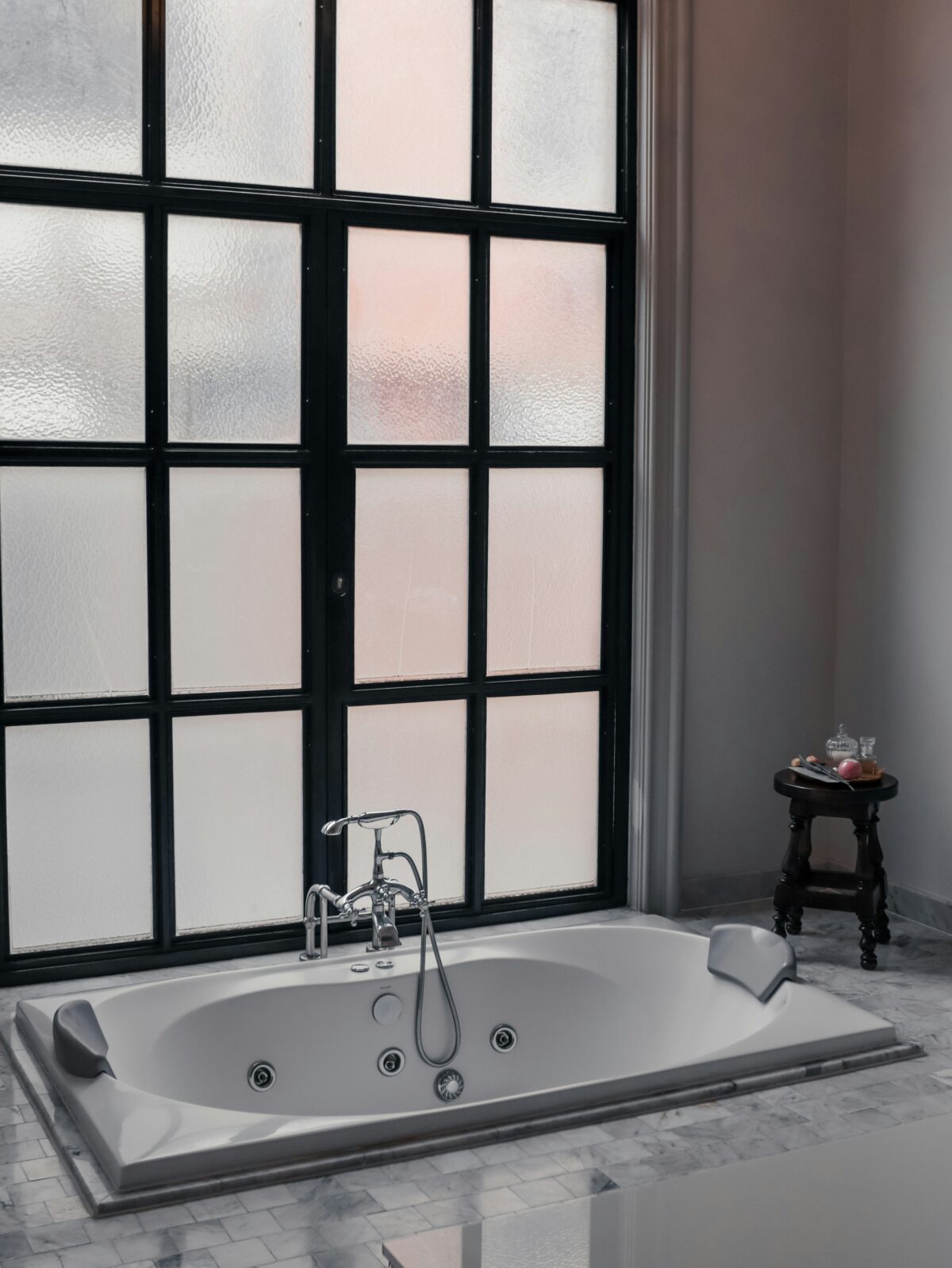
Privacy films offer a frosted or opaque appearance, preventing outsiders from peering in while still allowing natural light to filter through. These are ideal for bathrooms, office spaces, or any area where privacy is a priority. The International Window Film Association provides additional technical resources on performance and safety standards for window films.

Installation Process

While installing glass protection film might seem daunting, it can be a straightforward process with the right approach.

DIY vs. Professional Installation

For those with a knack for DIY projects, installing glass film can be a satisfying endeavor. However, achieving a flawless finish requires precision and patience. If you’re unsure or prefer a guaranteed result, hiring a professional installer ensures a perfect fit and finish.

Step-by-Step Installation Guide

If you choose the DIY route, here’s a basic guide to get you started:

  1. Clean the Glass: Start with a clean surface. Use a glass cleaner and a lint-free cloth to remove dust, dirt, and grease.
  2. Measure and Cut the Film: Measure your window and cut the film slightly larger than the glass surface.
  3. Wet the Glass: Spray the window with a soapy water solution. This helps the film adhere smoothly and allows for easy adjustments.
  4. Apply the Film: Peel the backing off the film and carefully place it on the wet glass, starting from the top and working your way down.
  5. Smooth Out Air Bubbles: Use a squeegee to smooth out any air bubbles or wrinkles, working from the center to the edges.
  6. Trim Excess Film: Once the film is securely in place, trim any excess with a sharp utility knife.
Professional installing glass film

by Stratiya Stratiev (https://unsplash.com/@stratiev_1974)

Maintenance Tips

To keep your glass protection film looking its best, follow these simple maintenance tips:

  • Avoid Harsh Cleaners: Use a mild soap solution and a soft cloth for cleaning. Avoid abrasive scrubbing pads or harsh chemicals that could damage the film.
  • Regular Cleaning: Clean your windows regularly to prevent dirt and grime buildup, which can affect the film’s appearance.
  • Inspect for Damage: Periodically check for any signs of wear or peeling edges and address them promptly to extend the life of your film.

Conclusion

Glass protection film is a versatile and cost-effective solution for enhancing the aesthetics, energy efficiency, and security of your home. By choosing the right type of film and following proper installation and maintenance procedures, you can enjoy the numerous benefits it offers. Whether you’re an interior designer seeking stylish solutions for clients or a homeowner looking to upgrade your space, glass protection film is worth considering.

With this beginner’s guide, you’re now equipped with the knowledge to make an informed decision and transform your windows into a beautiful, functional part of your home.

Categories
Window Films and Tints

Real-World Tips for Mirror Window Film

Installing mirror window film is a practical and stylish way to enhance privacy, improve energy efficiency, and add a modern touch to any space. As an expert in home improvement solutions, I understand the importance of addressing customer needs with precision and care. In this article, I’ll share real-world tips on using mirror window film to transform your living or working spaces while delivering quality results.

Before diving into the tips, let’s take a moment to understand what mirror window film is. Essentially, it’s a type of window privacy film that creates a reflective surface on one side of the glass. This reflective property allows people inside to see outside while preventing outsiders from seeing in, especially in daylight.

Mirror window film is not only about privacy. It also offers benefits like reducing glare, blocking harmful UV rays, and improving energy efficiency by keeping indoor temperatures more stable.

Selecting the Right Mirror Window Film

Choosing the right window privacy film is crucial to achieving your goals. Here are some factors to consider:

Privacy Needs

Consider how much privacy you need. Mirror window films come in various levels of reflectivity. Higher reflectivity offers more privacy but might reduce visibility from the inside out.

Aesthetic Preferences

Choose a film that complements your interior design. Mirror window film is available in different colors and finishes, so select one that matches your décor style.

Energy Efficiency

If energy efficiency is a priority, look for films that offer high UV protection and heat reduction. These films can help lower energy bills by reducing the need for air conditioning.

Installation Tips

Installing mirror window film on a residential window

Once you’ve selected the right film, proper installation is key to maximizing its benefits. Here are some installation tips:

Clean the Windows Thoroughly

Before applying the film, ensure the windows are spotless. Clean them with a mixture of water and mild soap, and use a squeegee to remove any residue. A clean surface ensures better adhesion and a smoother finish.

Measure and Cut Precisely

Accurate measurements are crucial. Measure the window dimensions and cut the film slightly larger than the window. This allows for adjustments during installation.

Use the Right Tools

Equip yourself with the right tools: a utility knife, a squeegee, and a spray bottle filled with soapy water. These tools will help you achieve a smooth application.

Apply with Care

Spray the window with soapy water before applying the film. This allows you to position the film correctly. Use the squeegee to remove air bubbles and excess water, working from the center to the edges.

Enhancing Energy Efficiency

Mirror window film not only enhances privacy but also contributes to energy efficiency. Here’s how to maximize these benefits:

Reduce Heat Gain

During summer, windows are a major source of heat gain. Mirror window film reflects sunlight, keeping interiors cooler and reducing the load on air conditioning systems.

Minimize Heat Loss

In winter, the film acts as an insulator, minimizing heat loss through windows. This helps maintain a comfortable indoor temperature and reduces heating costs.

Real-World Applications

Modern office space with mirror window film installed

by Flipsnack (https://unsplash.com/@flipsnack)

Mirror window film is versatile and suitable for various settings. Here are some real-world applications:

Residential Spaces

In homes, mirror window film offers a sleek, modern look while enhancing privacy in areas like bathrooms and bedrooms. It allows natural light to enter without compromising privacy.

Commercial Spaces

In office buildings, mirror window film is an excellent choice for maintaining privacy in conference rooms and executive offices. It also contributes to a professional aesthetic.

Retail Environments

In retail settings, the film can be used to protect merchandise from fading due to UV exposure while enhancing the store’s overall appearance.

Maintenance and Care

To ensure your mirror window film remains effective and attractive, follow these maintenance tips:

Regular Cleaning

Clean the film with a soft cloth and a non-abrasive cleaner. Avoid using harsh chemicals or abrasive materials that can damage the film.

Inspect for Damage

Periodically check for signs of wear or damage. Promptly address any issues to extend the film’s lifespan.

Professional Assistance

For large installations or complex projects, consider hiring a professional. Their expertise ensures a flawless application and maximizes the film’s benefits.

Conclusion

Mirror window film is a practical solution for enhancing privacy, improving energy efficiency, and adding a modern touch to any space. By selecting the right film, following proper installation techniques, and maintaining the film with care, you can enjoy its benefits for years to come.

Whether you’re an interior designer looking to provide stylish, eco-friendly solutions for your clients or a homeowner seeking to enhance your living space, mirror window film is a versatile and effective option. Embrace this innovative solution and transform your windows today.

Categories
Window Films and Tints

Real-World Tips for Decorative Window Film

Decorative window films are more than just eye-catching accents for your home; they offer a variety of practical benefits that enhance both privacy and energy efficiency. These films can transform any space, adding a touch of elegance and sophistication without the need for expensive renovations. If you’re an interior designer looking to offer clients stylish, eco-friendly solutions, or simply a homeowner interested in upgrading your living space, decorative window films might be the perfect solution. Let’s delve into the real-world applications and benefits of decorative window films.

Decorative window film is a thin laminate that can be applied to glass surfaces. It serves multiple purposes, from enhancing privacy to controlling light and improving aesthetic appeal. Available in a variety of styles, including frosted, etched, and stained glass effects, these films are a versatile choice for any room.

Types of Decorative Window Films

  1. Frosted Window Film: This type provides a sandblasted or etched appearance, offering privacy while still allowing light to filter through. It’s perfect for bathrooms or office spaces where you need both light and discretion.
  2. Privacy Window Film: Designed to obscure views while allowing daylight in, privacy window films are ideal for street-facing windows or spaces where you want to maintain a level of seclusion without sacrificing natural light.
  3. Patterned and Textured Films: These films come in various designs and textures, from geometric patterns to floral motifs, offering an artistic touch to your windows.

Benefits of Decorative Window Film

Privacy and Security

One of the primary reasons homeowners and interior designers choose decorative window film is for enhanced privacy. Whether it’s a frosted film on a bathroom window or a decorative pattern on a front-facing room, these films prevent passersby from peering in while maintaining the aesthetic appeal of the space.

Energy Efficiency

Decorative window films contribute to energy savings by reducing heat gain during the summer and heat loss during the winter. They can block up to 99% of harmful UV rays, protecting your furniture and flooring from fading, while also reducing glare and improving comfort.

Cost-Effective Makeover

Before and after window film installation

If you’re looking to refresh the look of a room without breaking the bank, decorative window films offer an affordable solution. They can mimic the look of more expensive glass treatments at a fraction of the cost, making them a practical option for budget-conscious homeowners.

Easy Installation and Maintenance

Unlike traditional window treatments like curtains or blinds, decorative window films are easy to install and maintain. They can be applied directly to the glass surface and removed without damaging the glass or leaving residue, providing flexibility as your design preferences change.

Real-World Tips for Using Decorative Window Films

Choose the Right Film for Your Needs

When selecting a decorative window film, consider the specific needs of the space. For instance, if privacy is your main concern, opt for frosted or privacy films. If you’re aiming to enhance a room’s aesthetic, explore patterned or textured options that complement the existing decor.

Measure and Plan Carefully

Before purchasing any film, accurately measure your windows and plan the layout to ensure a seamless application. Consider the film’s pattern repeat and how it will align on larger windows or when covering multiple panes.

Professional vs. DIY Installation

While decorative window films are designed for easy installation, achieving a flawless finish can sometimes require professional expertise, especially for large windows or intricate designs. If you decide to tackle the project yourself, ensure you have the right tools, such as a squeegee and a utility knife, and follow the manufacturer’s instructions closely.

Maintenance and Care

Maintaining decorative window film is straightforward. Regular cleaning with a soft cloth and mild, non-abrasive cleaner will keep the film looking fresh. Avoid harsh chemicals or rough materials that could scratch the surface.

Innovative Uses of Decorative Window Film

Creative window film design

by Zen Summer (https://unsplash.com/@ispywithmylittleeye)

Office Spaces

Decorative window films are not just for homes; they’re also a great addition to office environments. Use frosted films to create private meeting rooms or to add branded patterns to glass partitions, enhancing both privacy and style.

Retail Displays

In retail settings, decorative window films can be used to create eye-catching displays or to provide privacy in fitting rooms. They offer a versatile way to change the look of a store without permanent alterations.

Residential Interiors

From kitchens to bathrooms, decorative window films can be used throughout the home to add personality and function. Consider using a stained-glass effect in a sunroom or a geometric pattern in a modern kitchen to make a unique statement.

Conclusion

Decorative window films are a versatile and cost-effective solution for enhancing both the aesthetic and functional qualities of a space. Whether you’re an interior designer seeking innovative ways to delight clients or a homeowner looking to refresh your living space, these films offer an array of options that cater to diverse needs and preferences.

By choosing the right style and installation method, you can transform any space into a more beautiful, private, and energy-efficient environment. With the added benefits of easy maintenance and UV protection, decorative window films are a smart investment for anyone looking to elevate their interior design.

Explore the world of decorative window films and discover how they can enhance your next project or home improvement endeavor. With the right approach, these films can be both a practical and stylish addition to any space.