Categories
Window Films and Tints

Smart Tips for Choosing Mirror Window Film

# Smart Tips for Choosing Mirror Window Film

As an interior designer, finding the right solutions to enhance both the aesthetics and functionality of your client’s spaces can be challenging. One innovative approach is using mirror window film, which not only enhances privacy but also adds a stylish touch to any room. In this article, we’ll walk you through some smart tips for choosing the perfect mirror window film to meet your clients’ needs.

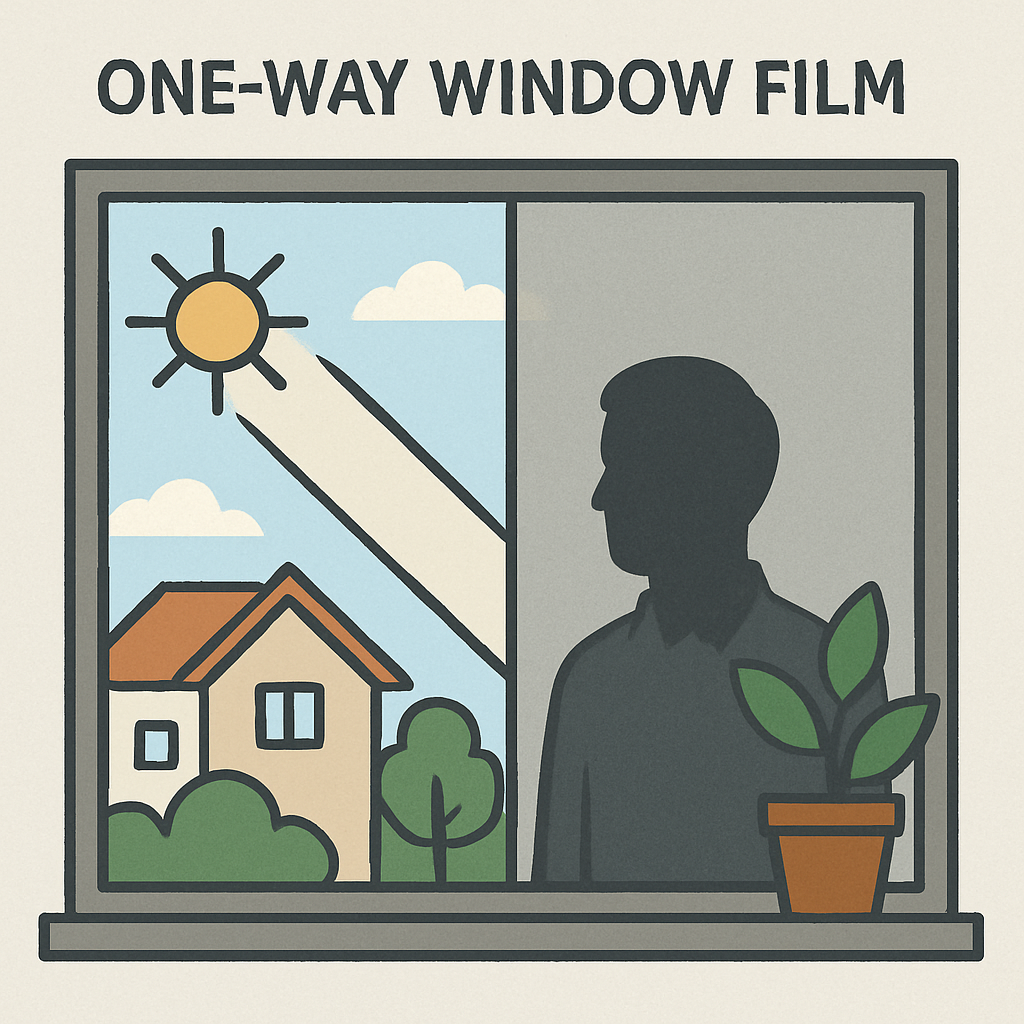
Mirror window film, also known as privacy window film or window privacy film, is a thin layer applied to glass surfaces. It reflects light similar to a mirror, providing privacy during the day while still allowing natural light to filter through. This makes it an excellent choice for those looking to improve both the privacy and energy efficiency of their spaces.

Benefits of Mirror Window Film

Mirror window film offers several advantages:

  1. Enhanced Privacy: By reflecting the outside light, it prevents prying eyes from peering into a home during daylight.
  2. Energy Efficiency: It reduces heat gain in the summer and heat loss in the winter, which can lead to significant energy savings.
  3. Aesthetic Appeal: It adds a sleek, modern look to windows, enhancing the overall design of the interior.
  4. UV Protection: It blocks harmful ultraviolet rays, protecting furniture and flooring from fading.

Factors to Consider When Choosing Mirror Window Film

When selecting the right mirror window film, several factors should be taken into account to ensure it meets your client’s needs.

Level of Privacy Required

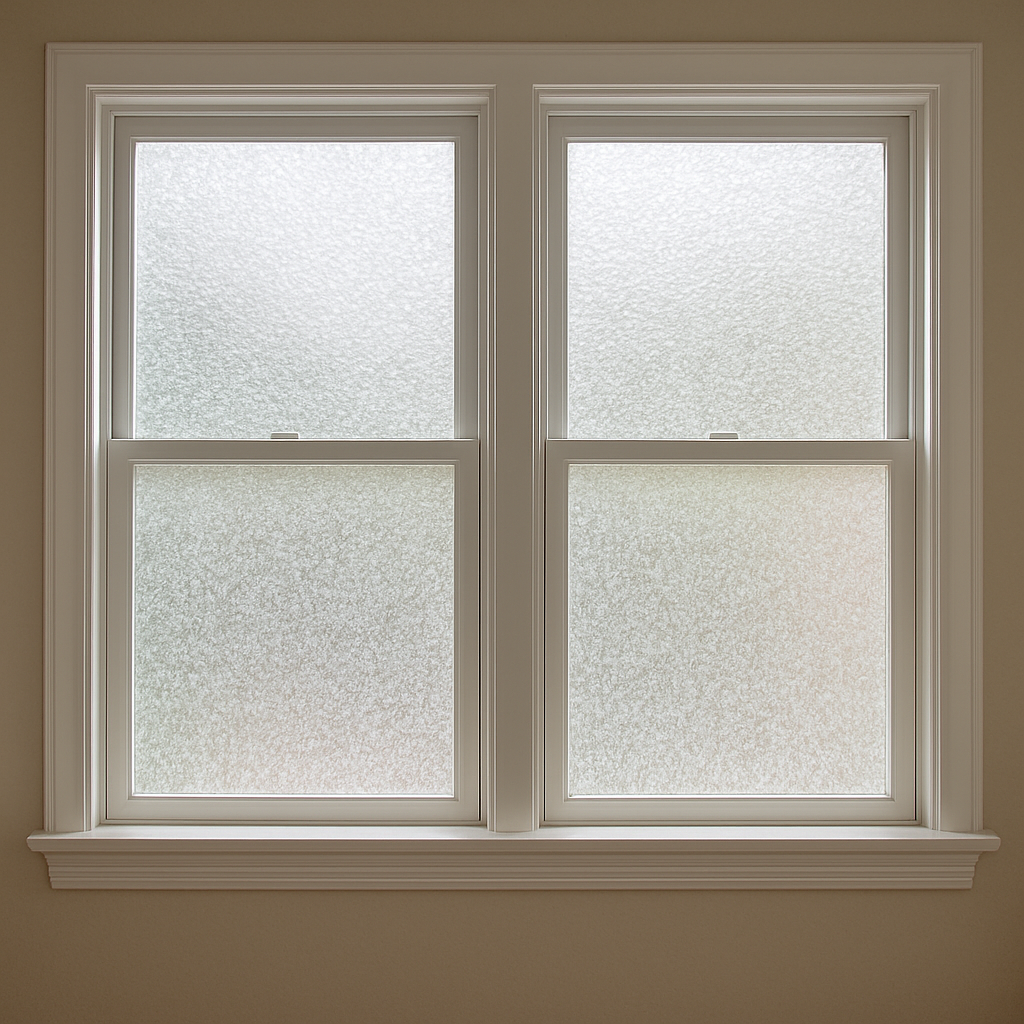
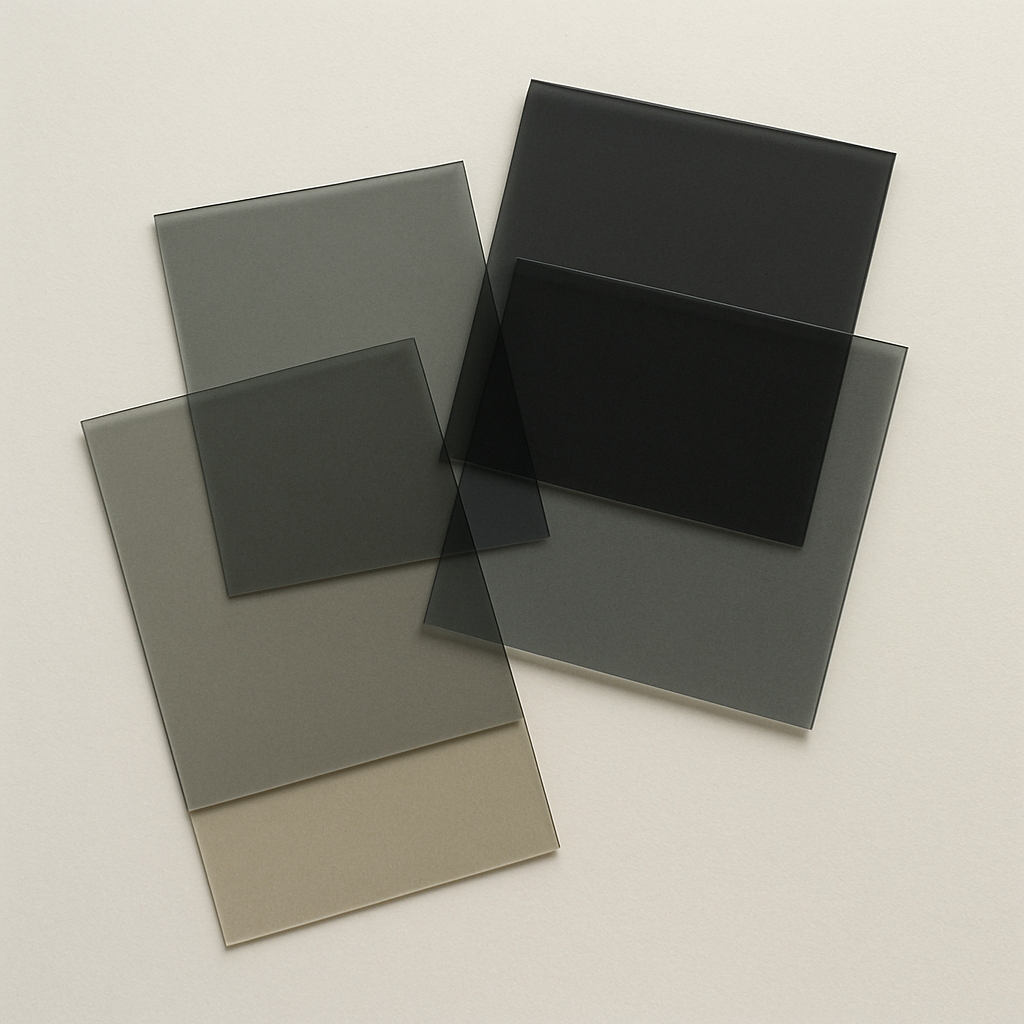
Privacy levels of window films

The primary reason many opt for mirror window film is privacy. Consider the level of privacy your client needs. Films come in varying levels of reflection, with some offering a stronger mirror effect than others. For example, a high-reflective film provides maximum privacy, making it ideal for street-facing windows.

Light Transmission

Ensure you select a film that balances privacy with light transmission. Some films may offer excellent privacy but can significantly reduce the amount of natural light entering the space. Opt for films that provide the desired privacy without compromising on brightness.

Aesthetic Preferences

Mirror window films are available in different colors and finishes. While the classic silver finish offers a modern look, there are also options like bronze or gray that may better complement certain color schemes. Choose a film that aligns with your client’s aesthetic preferences.

Energy Efficiency Goals

If your client is particularly concerned about energy efficiency, look for films with high solar reflectance values. These films can significantly reduce cooling costs in the summer by reflecting solar heat away from the building.

UV Protection Needs

To protect the interior from UV damage, select a film that blocks a high percentage of UV rays. This not only preserves the furniture and flooring but also provides added health benefits to the home’s occupants.

Installation Tips for Mirror Window Film

Once you’ve selected the right mirror window film, proper installation is crucial to ensure its effectiveness and longevity.

Professional Installation vs. DIY

While some homeowners may consider a DIY installation, professional installation is recommended for the best results. Professionals have the expertise and tools needed to apply the film without bubbles or creases, ensuring a smooth finish.

Preparing the Surface

Before applying the film, clean the glass thoroughly to remove any dirt, dust, or grease. This ensures better adhesion and a flawless finish. Ensure the surface is completely dry before installation.

Applying the Film

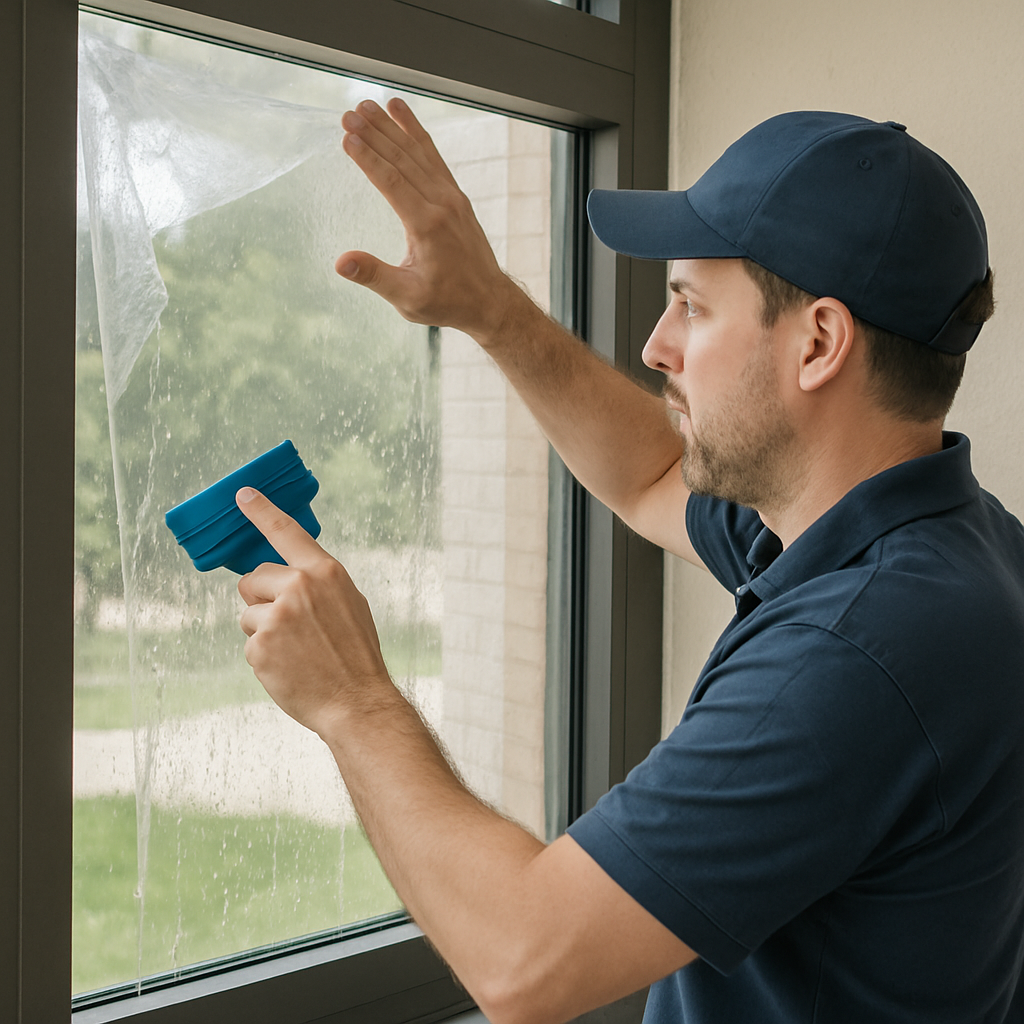
Carefully measure and cut the film to fit the window. Apply the film starting from the top, using a squeegee to smooth it down and remove any air bubbles. Trim any excess film from the edges for a clean finish.

Post-Installation Care

After installation, advise your clients to avoid cleaning the film for at least 30 days to allow it to adhere fully. When cleaning, use a soft cloth and a non-abrasive cleaner to prevent scratching.

Real-World Applications of Mirror Window Film

Mirror window film can be used in various settings, each benefiting from its unique properties.

Residential Spaces

In homes, mirror window film is perfect for bedrooms, bathrooms, or any area where privacy is a priority. It allows homeowners to enjoy natural light without sacrificing their privacy.

Commercial Buildings

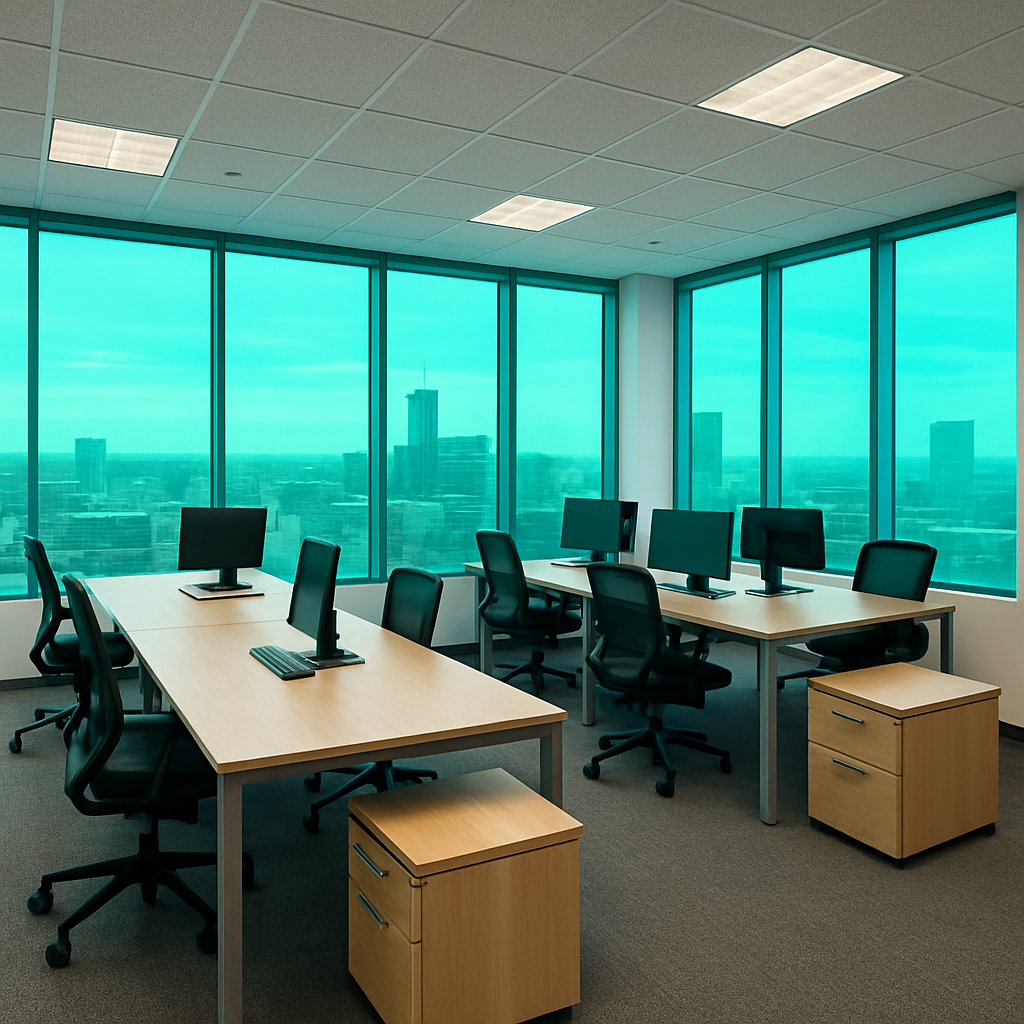
For offices and commercial buildings, mirror window film can enhance privacy for meeting rooms while maintaining a professional appearance. It also contributes to energy savings, a key consideration for large buildings.

Retail Spaces

Retailers can use mirror window film to protect merchandise from UV damage while maintaining a clear view of displays from outside. It also adds a sleek, modern look to storefronts.

Conclusion

Choosing the right mirror window film requires a careful balance of privacy, aesthetics, and functionality. By considering factors such as privacy needs, light transmission, and energy efficiency, you can select a film that meets your client’s needs and enhances their space. Whether for residential or commercial use, mirror window film offers a versatile solution that combines style with practicality, making it a smart choice for any interior designer.

Window film installation process

by truth lee (https://unsplash.com/@soeasily)

Incorporating mirror window film into your projects not only addresses privacy concerns but also aligns with eco-friendly practices by improving energy efficiency. As you explore this innovative solution, you’ll find it a valuable addition to your toolkit for creating stylish, functional spaces.

Categories
Window Films and Tints

When to Consider Home Window Tinting

As an interior designer, you’re always on the hunt for cost-effective solutions that not only enhance the aesthetic appeal of a space but also offer functional benefits. Enter home window tinting—a stylish, eco-friendly option that is gaining popularity among homeowners and designers alike. But when should you consider incorporating window tinting into your designs? Let’s explore the benefits and scenarios that make window tinting an ideal choice.

The Benefits of Home Window Tinting

Home window tinting offers a multitude of advantages that can transform the way a space looks and functions. Here are some of the key benefits:

Improved Energy Efficiency

One of the most compelling reasons to consider window tinting is its ability to improve energy efficiency. Tinted windows reduce the amount of heat entering a home, which means less reliance on air conditioning during the hot summer months. This reduction in energy usage can lead to significant savings on energy bills. According to the U.S. Department of Energy, properly selected window films can significantly reduce solar heat gain and improve overall efficiency.

Enhanced Privacy and Security

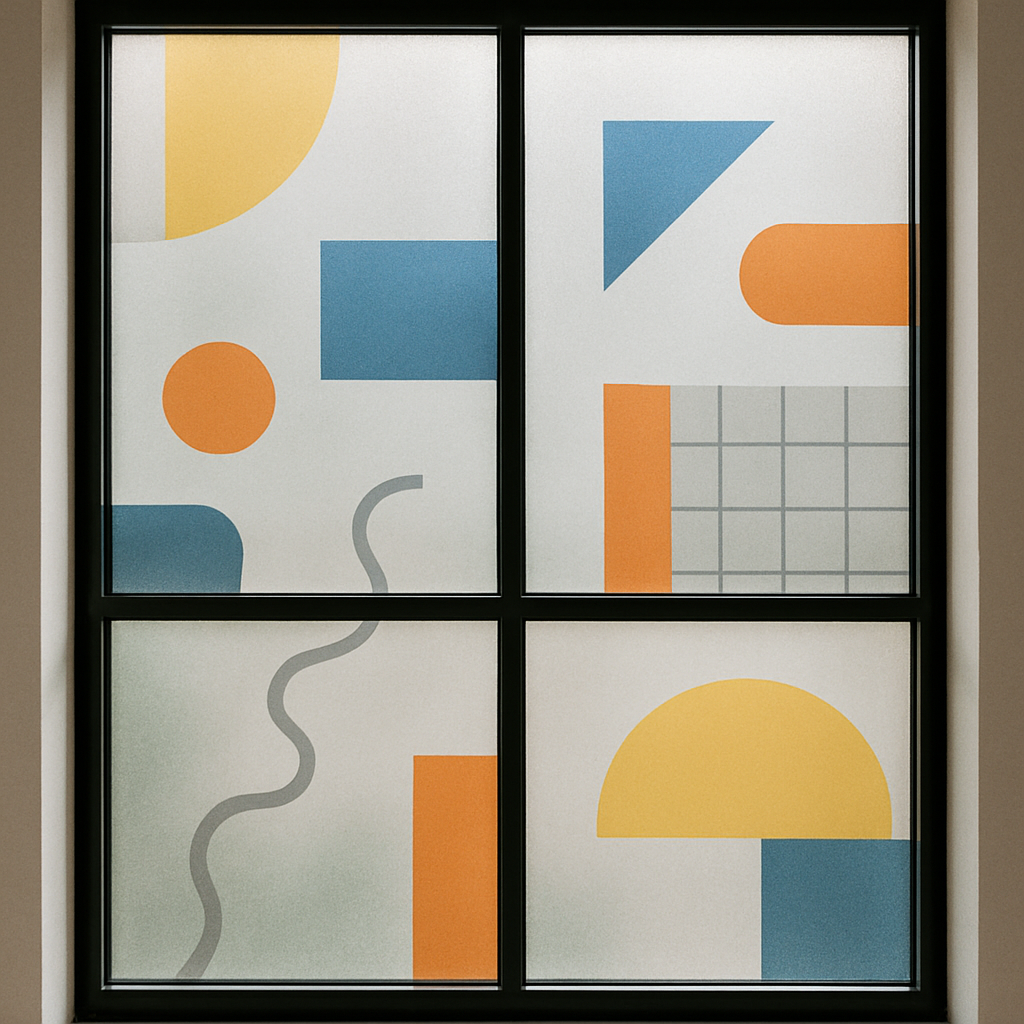
Close-up of a window with privacy film

Privacy and security window films are an excellent solution for homeowners who want to maintain privacy without compromising on natural light. These films allow you to see out, but prevent outsiders from peering in. Additionally, window tinting can add an extra layer of security by making windows more difficult to shatter.

UV Protection

Tinted windows can block up to 99% of harmful UV rays from entering a home. This protection not only helps in preserving furniture, carpets, and artwork from fading but also protects the skin from the harmful effects of prolonged UV exposure. The Environmental Protection Agency (EPA) highlights the importance of reducing UV exposure to prevent skin damage and related health risks.

Aesthetic Appeal

Window tinting can add a sleek, modern look to any home. With a variety of tint shades and styles available, you can choose options that complement the interior design while enhancing the overall appearance of the property.

Glare Reduction

Reducing glare is essential for creating comfortable living spaces, particularly in rooms with screens such as living rooms and home offices. Window tinting minimizes glare, allowing for better visibility and comfort without the need for heavy curtains or blinds.

When to Consider Window Tinting

Now that you understand the benefits, let’s discuss specific scenarios where window tinting becomes a valuable addition to your design projects.

Homes with Large Windows or Glass Doors

Large windows and sliding glass doors are beautiful and provide abundant natural light, but they can also lead to excessive heat gain and glare. Tinted windows can mitigate these issues, allowing homeowners to enjoy the view and natural light without discomfort or increased energy costs.

Properties in Sun-Intensive Regions

If a home is located in an area with intense sunlight, window tinting becomes a practical necessity. The UV protection and heat reduction offered by window films make them an indispensable tool in managing the challenges posed by a sun-drenched climate.

Rooms Requiring Enhanced Privacy

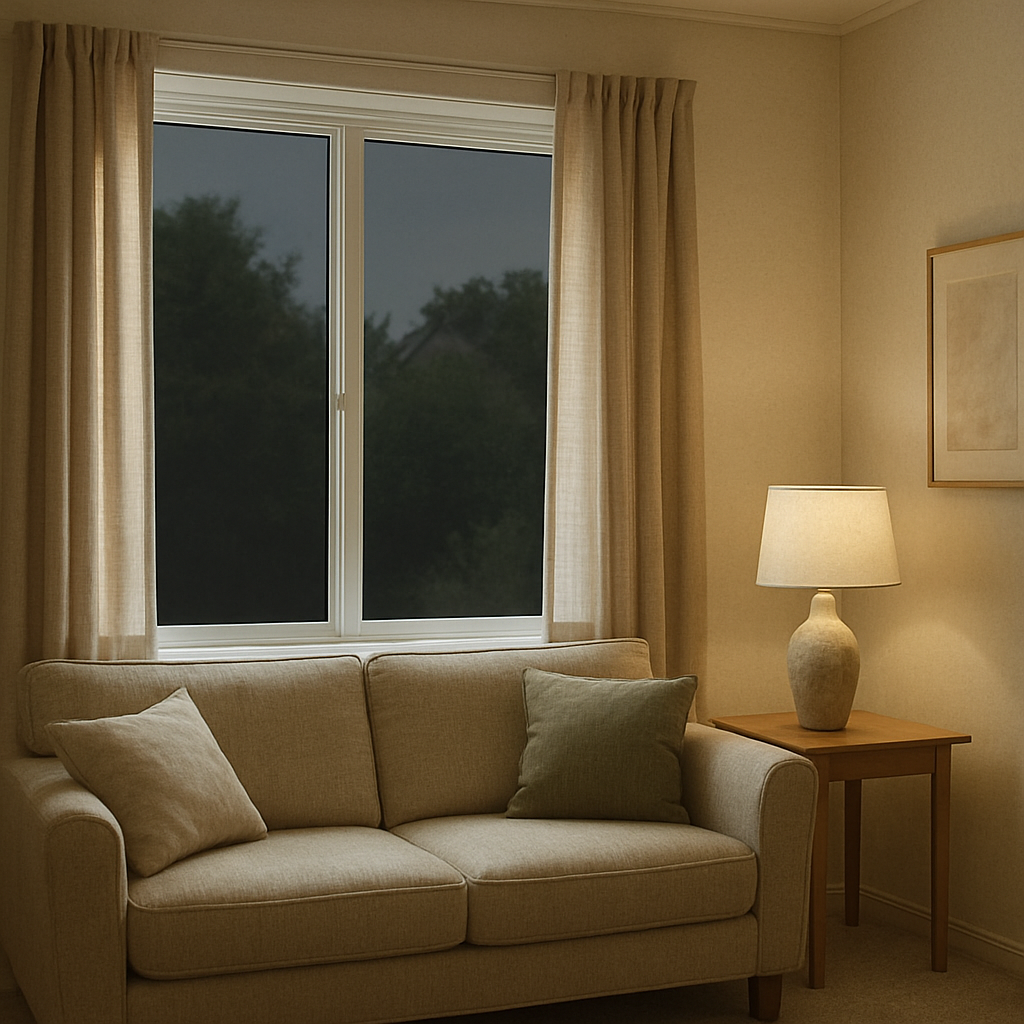
A bedroom with tinted windows for enhanced privacy

by Mohamad Sameh (https://unsplash.com/@sameh_from_egypt)

Certain rooms, such as bathrooms and bedrooms, naturally require more privacy. Privacy window film is an elegant solution that maintains the design integrity of the space while providing the needed seclusion. It’s a particularly smart choice for homes in densely populated neighborhoods or urban areas.

Spaces with High-End Furnishings

For homes with high-end furnishings, artwork, or flooring, the UV protection offered by window tinting is invaluable. It ensures that these investments are protected from fading and damage, maintaining their beauty and value over time.

Environmentally-Conscious Projects

For projects with a strong emphasis on sustainability, window tinting is a fitting choice. By reducing energy consumption, it contributes to a home’s overall eco-friendliness. Many window films are also manufactured using sustainable processes, aligning with the values of environmentally-conscious clients.

Choosing the Right Window Tinting Solution

Selecting the appropriate window tinting film requires consideration of several factors to ensure it meets the specific needs of your design project.

Assessing Tint Levels

Window films come in varying levels of tint, from very light to dark. The choice depends on the desired level of privacy, glare reduction, and the aesthetic goals of the space. Consider the function of the room and the client’s preferences when choosing the tint level.

Evaluating Reflective vs. Non-Reflective Films

Reflective films are excellent at reducing heat and glare, but they may not suit all design aesthetics. Non-reflective films provide a more subtle appearance and are often preferred for residential settings. Balance functionality with style to find the best fit.

Consulting with Professionals

Given the technical aspects of window tinting, consulting with a professional installer is advisable. They can provide insights into the best products for specific needs and ensure a high-quality installation that maximizes the benefits of the window film.

Conclusion

Home window tinting is a versatile solution that offers numerous benefits, from improved energy efficiency to enhanced privacy and UV protection. As an interior designer, incorporating window tinting into your projects can elevate both the functionality and aesthetic appeal of the spaces you create. Whether you’re working on a sun-drenched property or a home with high-end furnishings, window tinting provides a practical and stylish solution that your clients will appreciate.

By understanding when to consider window tinting and how to choose the right products, you can offer clients innovative solutions that align with their needs and enhance their living spaces. As always, working with a skilled professional ensures the best results, transforming any home into a sanctuary of comfort and style.