Window tinting is an often overlooked yet effective way to enhance your home. Whether your goal is to increase privacy, reduce glare, or improve energy efficiency, window tinting offers a versatile solution. This comprehensive guide will walk you through the benefits of window tinting, how it works, and how to choose the best type for your home.
Understanding Window Tinting
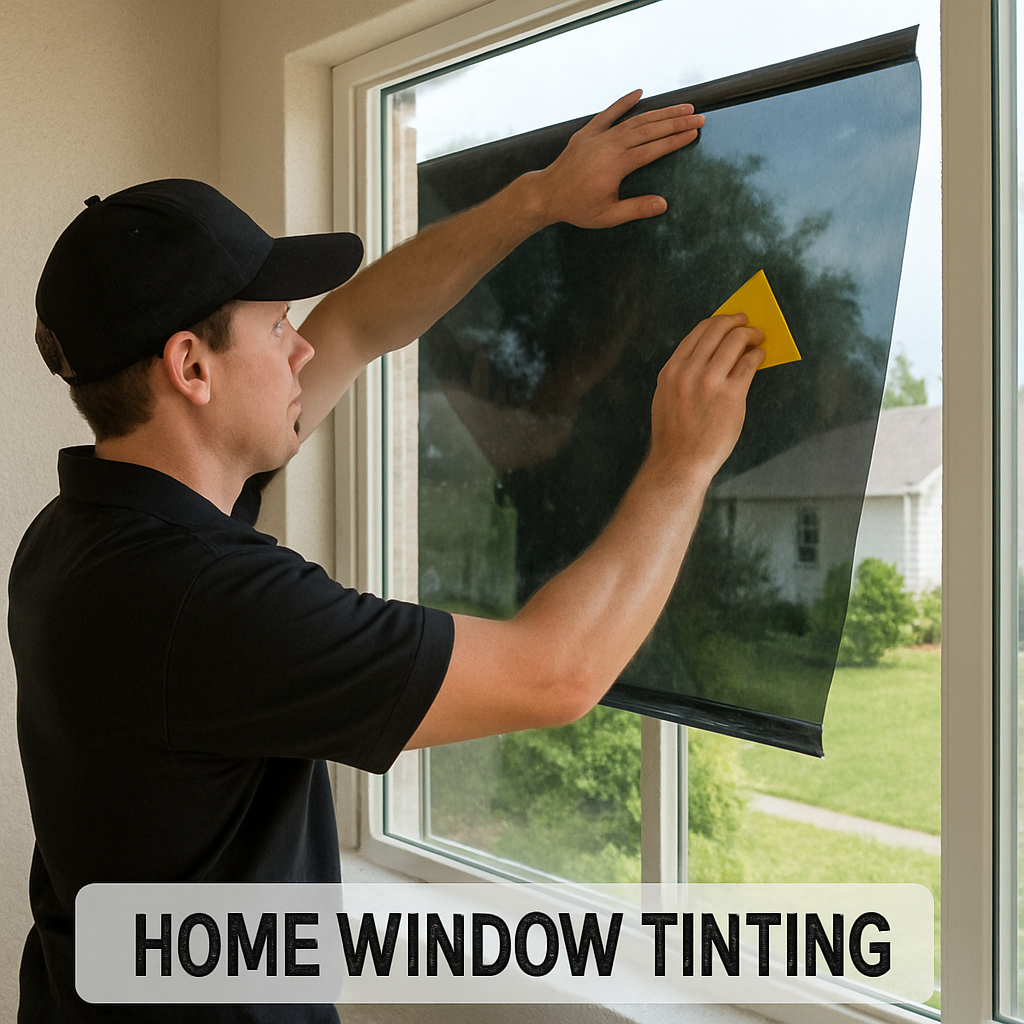
Window tinting involves applying a thin film to the interior surface of your windows. This film is made of polyester and other compounds that provide various benefits such as UV protection, glare reduction, and privacy. While many associate window tinting with cars, home window tinting offers numerous advantages.
Benefits of Window Tinting
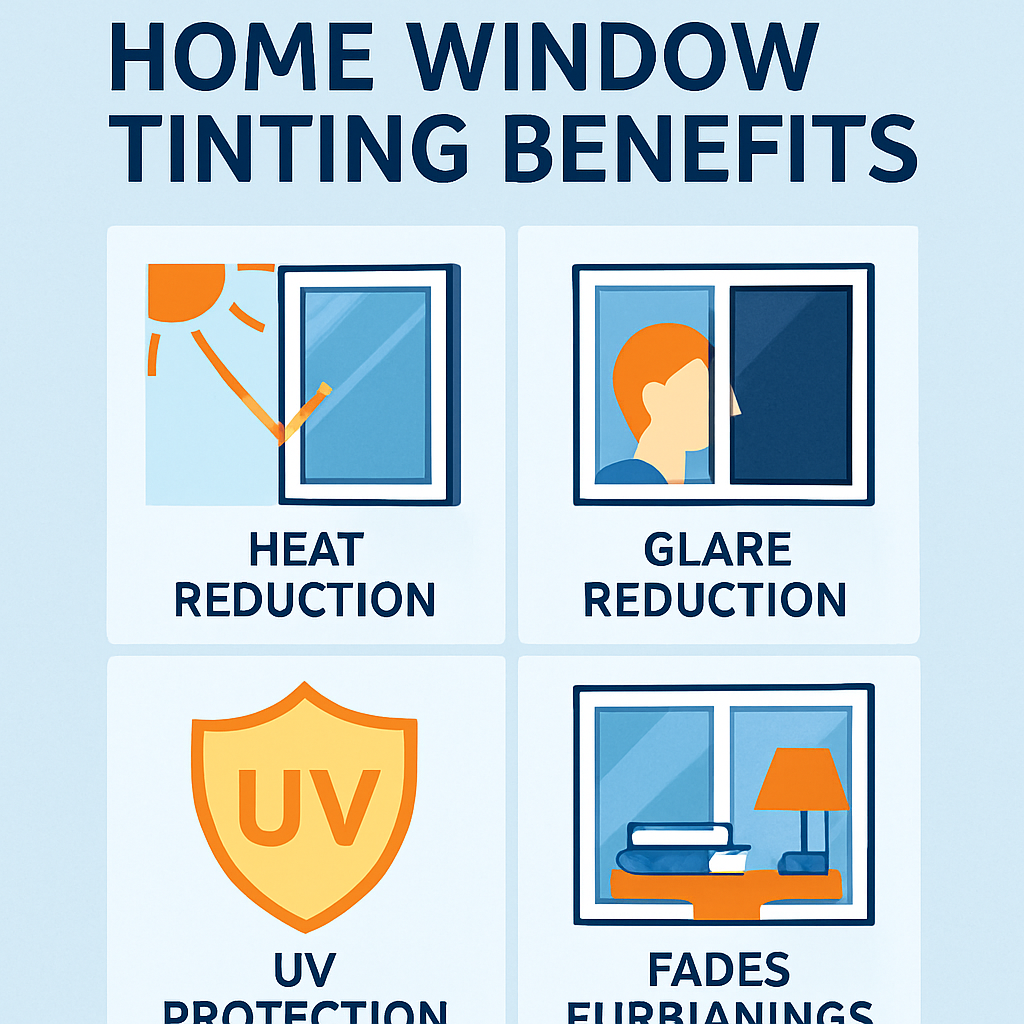
Energy Efficiency: Window tinting helps maintain consistent indoor temperatures by reducing heat gain in the summer and heat loss in the winter. This can lead to lower energy bills as your HVAC system won’t have to work as hard to maintain a comfortable temperature.
UV Protection: Harmful UV rays from the sun can cause furniture, flooring, and artwork to fade over time. Window tinting blocks up to 99% of these rays, protecting your home’s interior and prolonging the life of your possessions.
Glare Reduction: Natural light is lovely, but too much can result in uncomfortable glare on screens and reflective surfaces. Window tinting reduces glare, making it easier to watch TV, use a computer, or simply enjoy the sunlight.
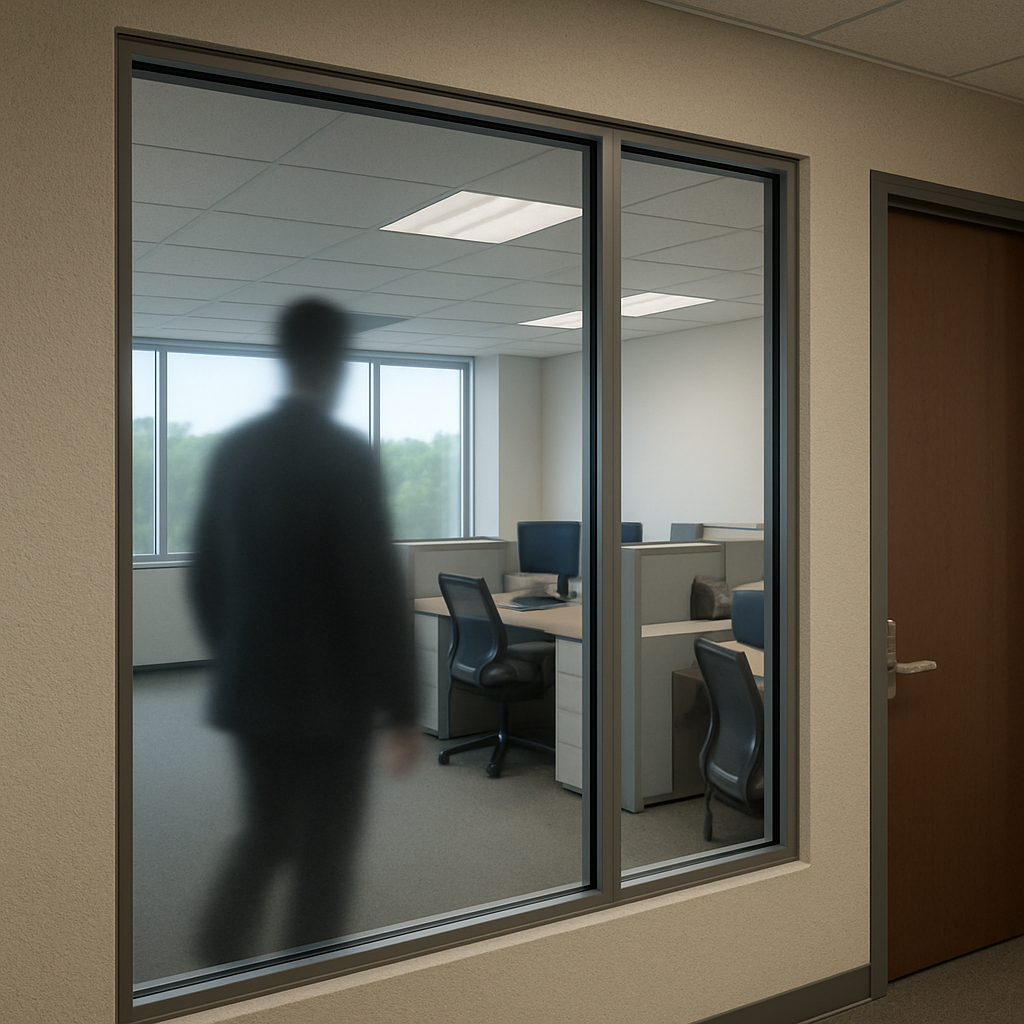
Increased Privacy: Privacy window film allows you to enjoy the natural light while keeping prying eyes out. This is especially useful for ground-level rooms or windows facing the street.
Enhanced Aesthetics: Available in various shades and styles, window tinting can enhance the appearance of your home, both inside and out. It can give your windows a sleek, modern look or complement your existing decor.
Choosing the Right Window Tint
When selecting a window tint, consider your primary goals. Are you looking to improve energy efficiency, increase privacy, or simply add a decorative touch? Different types of window film cater to these needs.
Types of Window Tint
Solar Control Film: This type of film is designed to reduce heat and glare. It’s ideal for rooms with large windows that get a lot of sun exposure.
Privacy Window Film: Perfect for bathrooms, bedrooms, or any room where you’d like more privacy without sacrificing natural light.
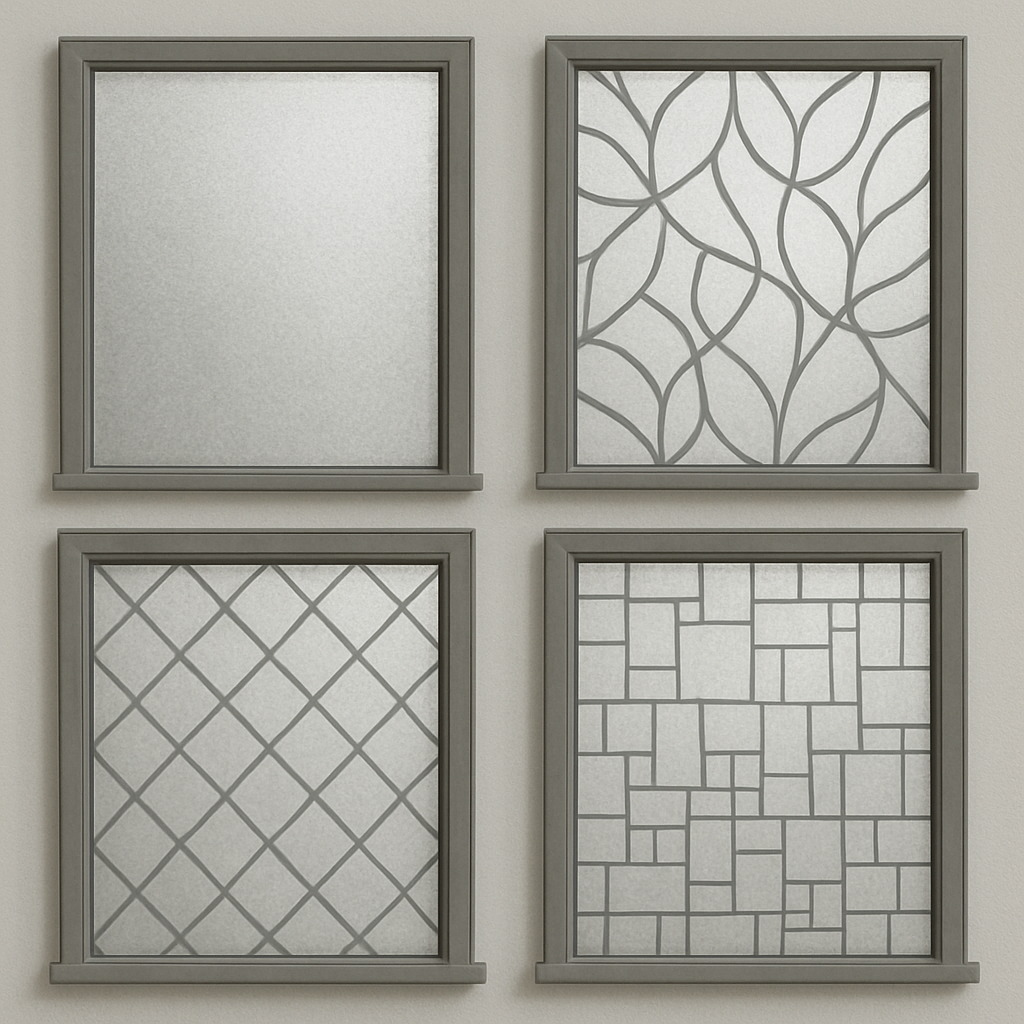
Decorative Film: Available in a wide range of patterns and colors, decorative film adds a unique touch to your home’s interior.
Security Film: This thicker film strengthens windows, making them more resistant to shattering. It’s an excellent choice for ground-floor windows or homes in areas prone to storms.
Factors to Consider
Climate: If you live in a hot climate, consider a film with high solar heat reduction capabilities. In colder areas, look for a film that provides good insulation.
Window Orientation: South-facing windows receive more sunlight and may benefit from a stronger UV-protective film.
Aesthetic Preferences: Choose a film that complements your home’s design. Reflective films provide a modern look, while frosted films offer a more traditional appearance.
Installation Process
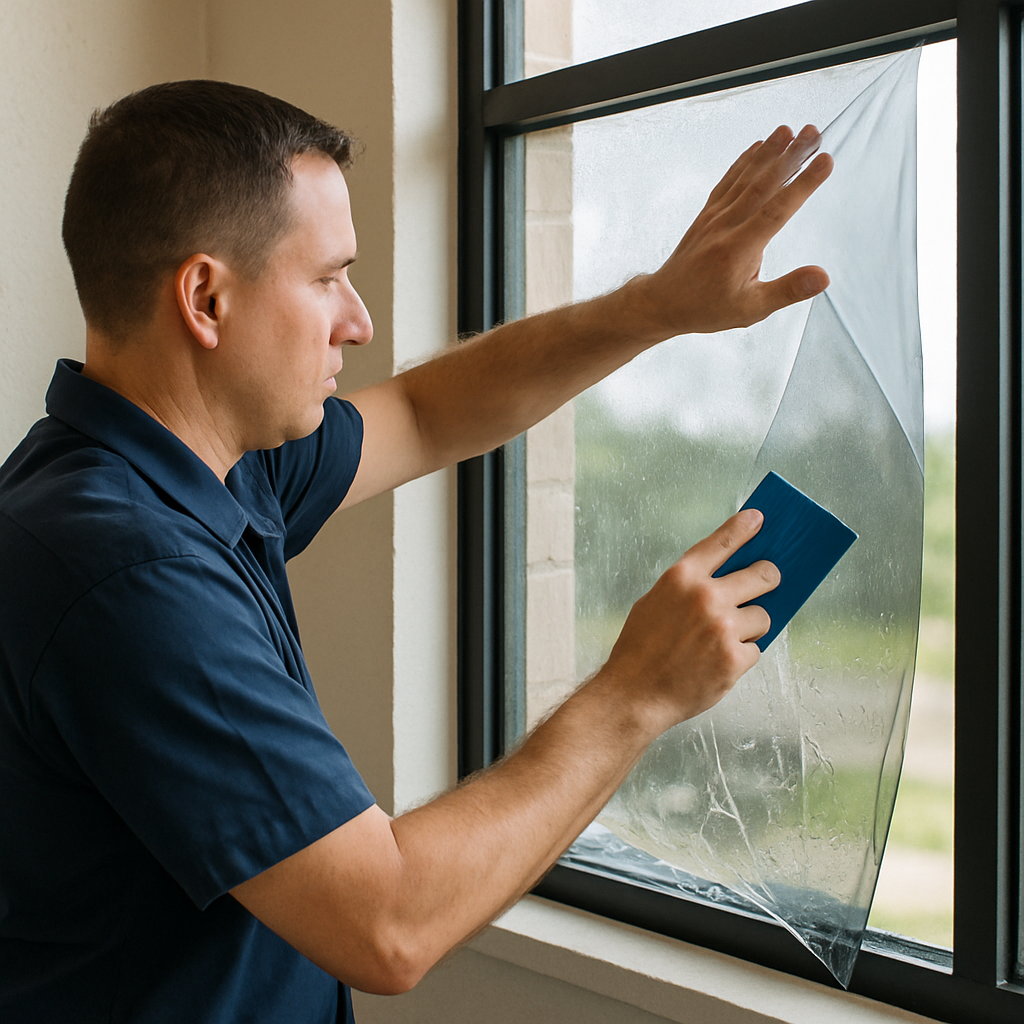
While some homeowners choose to install window film themselves, professional installation ensures the best results. A professional installer will have the tools and experience needed to apply the film without bubbles or creases.
Steps for Installation
Consultation: Discuss your needs and preferences with a professional installer. They can recommend the best type of film for your home.
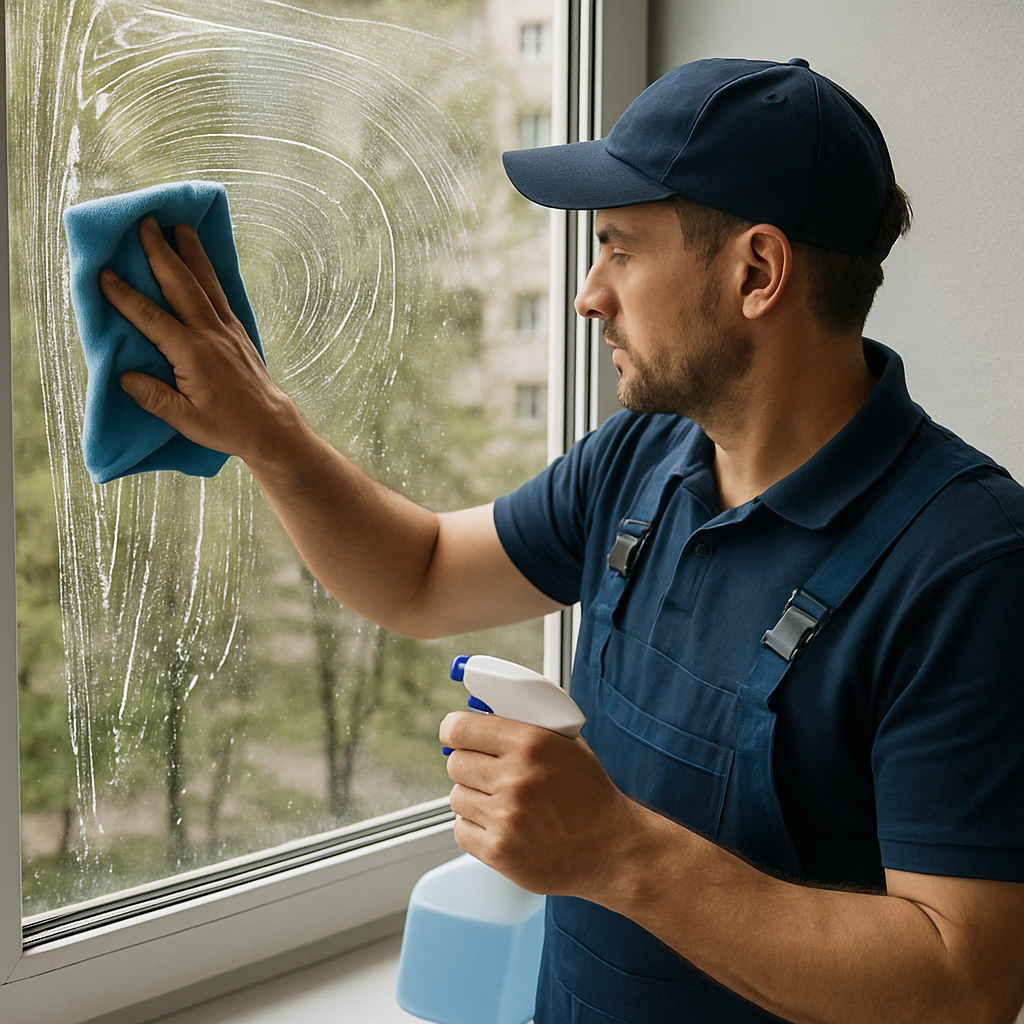
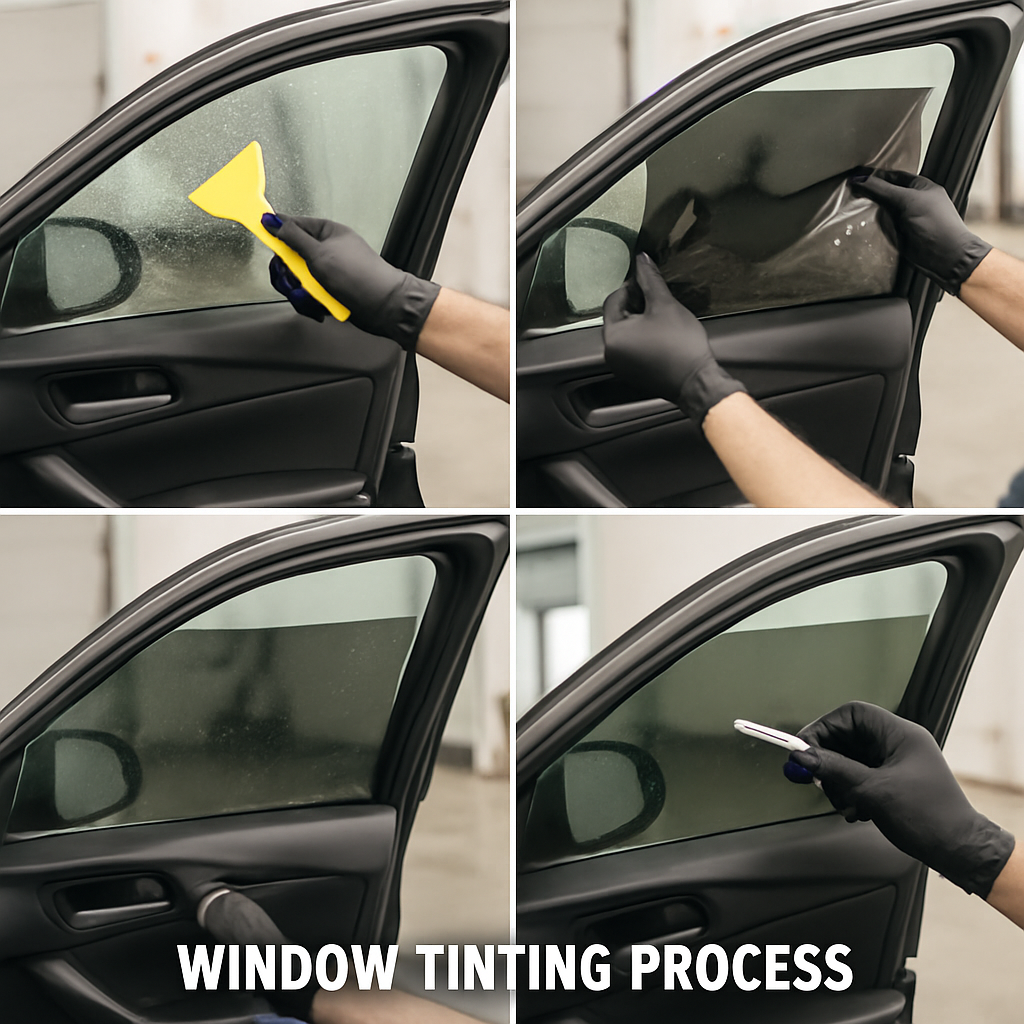
Preparation: Clean the windows thoroughly to remove any dirt or debris that could affect the film’s adhesion.
Application: The installer will cut the film to size and apply it to the window using a special adhesive.
Finishing Touches: Once applied, the film is smoothed out to remove any air bubbles and ensure a perfect fit.
Proper care and maintenance will prolong the life of your window tint and keep it looking its best.
Tips for Maintenance
Cleaning: Use a soft cloth and mild soapy water to clean the film. Avoid abrasive cleaners or tools that could scratch the surface.
Avoid Stickers: Don’t apply stickers or other adhesives to the film, as they can damage the surface.
Be Gentle: Handle windows with care to prevent tearing or peeling of the film.
Conclusion
Window tinting is a cost-effective way to improve the comfort, privacy, and energy efficiency of your home. By selecting the right type of film and ensuring proper installation, you can enjoy these benefits for years to come. Whether you’re an interior designer looking to offer clients stylish solutions or a homeowner seeking to enhance your living space, window tinting is a valuable addition to any home improvement project.
Explore the wide range of window tinting options available and consider consulting a professional to help you make the best choice for your specific needs. With the right window film, you’ll not only enhance the aesthetic appeal of your home but also create a more comfortable and energy-efficient environment.
# Exploring the Effectiveness of Security Window Films
In today’s world, securing our homes is more important than ever. While there are many options available to enhance the safety of your living space, one of the most effective yet often overlooked solutions is security window films. These films offer a range of benefits, from increased security to improved energy efficiency. According to the Cybersecurity & Infrastructure Security Agency (CISA), strengthening physical barriers like windows is a key part of improving overall building security. In this article, we’ll dive into the effectiveness of security window films and explore how they can be a valuable addition to any home.
Understanding Security Window Films
Security window films are specialized coatings applied to glass surfaces. They are designed to hold the glass together in the event of an impact, such as a break-in attempt or severe weather. These films are made from a strong, clear polyester material that provides an additional layer of protection to your windows.
The Science Behind Security Window Films
The effectiveness of security window films lies in their construction. Made from multiple layers of polyester film bonded together with special adhesives, these films are incredibly tough. When applied to a window, they create a barrier that holds the glass in place even when shattered. This not only prevents intruders from gaining easy access but also reduces the risk of injury from flying glass shards. In fact, safety glazing standards outlined by organizations such as ASTM International help define impact resistance performance for glass and related materials.
Benefits of Security Window Films
Security window films offer numerous advantages beyond just increased safety. Let’s take a closer look at some of the key benefits these films provide.
Enhanced Security
The primary benefit of security window films is enhanced security. By making it more difficult for intruders to break through your windows, these films act as a powerful deterrent. In many cases, the added time and effort required to penetrate a window with a security film can be enough to dissuade a would-be burglar.
Energy Efficiency
Security window films also contribute to energy efficiency. By reflecting heat and reducing glare, these films help maintain a comfortable indoor temperature, reducing the need for air conditioning and heating. This not only lowers energy bills but also contributes to a more environmentally friendly home.
UV Protection
Another significant advantage of security window films is their ability to block harmful ultraviolet (UV) rays. Prolonged exposure to UV radiation can cause fading of furniture, carpets, and artwork. Security films help preserve the integrity of your home’s interior by blocking up to 99% of UV radiation.
Increased Privacy
Privacy is another important consideration for homeowners. Security window films can enhance privacy by obscuring the view into your home without sacrificing natural light. This makes them an excellent choice for ground-floor windows or areas where privacy is a concern.
Improved Aesthetics
Security window films are available in a variety of tints and finishes, allowing homeowners to choose a style that complements their home’s design. Whether you prefer a clear film for an unobtrusive look or a tinted version for added privacy, there’s an option to suit every preference.
Installation of Security Window Films
The installation of security window films is a straightforward process, but it’s important to ensure it’s done correctly to maximize effectiveness.
Professional Installation
For the best results, it’s recommended to hire a professional for window film installation. Professionals have the experience and tools needed to ensure a smooth, bubble-free application. They can also advise on the best type of film for your specific needs and ensure proper adhesion to the glass surface.
DIY Installation
While professional installation is preferred, some homeowners may choose to install security window films themselves. If you opt for a DIY approach, be sure to follow the manufacturer’s instructions carefully. Clean the window thoroughly before application and use a squeegee to smooth out any air bubbles.
Security window films are used in a variety of settings beyond residential homes. They are commonly installed in commercial buildings, schools, and government facilities to provide an added layer of protection. In these environments, security films help safeguard occupants and property against potential threats.
Choosing the Right Security Window Film
When selecting a security window film, there are a few factors to consider:
Thickness: Thicker films offer greater protection but may be more noticeable. Choose a thickness that balances security needs with aesthetic preferences.
Tint: Consider whether you want a clear film for unobtrusiveness or a tinted film for added privacy.
UV Protection: Look for films that offer high levels of UV protection to preserve your home’s interior.
Conclusion
Security window films are an effective and versatile solution for enhancing the safety and efficiency of your home. They offer a range of benefits, from increased security and privacy to energy savings and UV protection. Whether you’re looking to improve the safety of your home or enhance its aesthetic appeal, security window films are a worthwhile investment.
By understanding the effectiveness and benefits of security window films, homeowners can make informed decisions about the best ways to protect and beautify their living spaces. For those seeking to enhance their home’s security and energy efficiency, security window films provide a practical and stylish solution.
When it comes to enhancing the privacy and aesthetics of your living or working space, one-sided glass film installation offers a compelling solution. Known for its ability to allow you to see out while preventing others from seeing in, this innovative product is perfect for those looking to maintain privacy without sacrificing natural light. It blends functionality with style, making it an increasingly popular choice for both contemporary and traditional spaces. In this article, we will explore the various benefits of one-sided glass film, also known as one way window film, and why it is an excellent choice for both residential and commercial applications.
One-sided glass film, often referred to as one way mirror film, is a type of window tint that creates a reflective surface on one side of the glass. This unique feature turns the outside of the window into a mirror during the daytime, reflecting light and preventing people from seeing inside. Meanwhile, those inside can continue to enjoy unobstructed views of the outside world, creating a harmonious balance between privacy and openness.
How Does It Work?
The effectiveness of one-sided glass film relies on the difference in light levels between the interior and exterior spaces. The film is most effective during daylight hours when the outside light is brighter than the light inside. This contrast is what gives the film its one-way mirror effect. At night, when the interior lights are brighter, the effect is reversed, which is why additional window treatments might be considered for nighttime privacy.
The film itself is composed of a thin layer of metalized polyester, which reflects light in a way that mimics a one-way mirror. The greater the light difference, the stronger the effect, making it an ideal solution for offices and homes in urban settings or high-traffic areas. This technology not only ensures privacy but also adds a layer of sophistication to any glass surface.
Key Benefits of One-Sided Glass Film
Enhanced Privacy
One of the most significant advantages of one-sided glass film is its ability to provide privacy. Whether you’re in a home or an office, maintaining privacy is crucial. This film allows you to enjoy your space without worrying about prying eyes, making it ideal for street-facing windows or areas where privacy is a concern. In addition to privacy, it also contributes to a sense of security, as it deters potential intruders who might otherwise be able to scope out the contents of your space.
Moreover, in a business setting, one-sided glass film can be particularly advantageous in conference rooms or offices where confidential discussions occur. It prevents external distractions, fostering a more focused and secure environment for sensitive conversations or meetings. The sense of privacy can also enhance employee comfort and productivity, knowing their workspace is shielded from outside view.
Energy Efficiency
One-sided glass film can also contribute to energy savings. By reflecting sunlight, the film helps to keep indoor spaces cooler during the summer months, reducing the need for air conditioning. In the winter, it acts as an additional layer of insulation, helping to retain heat and lower heating costs. This dual functionality makes it an eco-friendly choice that can help reduce energy bills over time.
Furthermore, by minimizing the amount of heat entering through windows, the film also helps to protect interiors from overheating, thus maintaining a more consistent temperature throughout the day. This can be particularly beneficial in large office buildings or homes with extensive glass facades, where temperature regulation can be challenging. Over time, the reduced energy consumption contributes to a smaller carbon footprint, aligning with sustainable building practices.
UV Protection
Another benefit of one-sided glass film is its ability to block harmful ultraviolet (UV) rays. Prolonged exposure to UV rays can cause damage to your skin and fade your furniture, flooring, and artwork. One-way window film acts as a protective barrier, blocking up to 99% of UV rays and helping to preserve the condition of your interiors.
By protecting against UV damage, one-sided glass film extends the lifespan of your furnishings and decor, maintaining their original appearance and value. This is particularly important for homes or businesses with valuable antiques, artwork, or textiles that could suffer from sun exposure. Moreover, by reducing the amount of UV light entering a space, the film can also contribute to a healthier indoor environment, protecting the occupants’ skin and eyes from harmful rays. (For practical guidance, see Canada’s UV Index and sun safety advice.)
Aesthetic Appeal
For interior designers, one-sided glass film provides an opportunity to enhance the aesthetic appeal of a space. Available in various shades and finishes, the film can complement the existing décor while adding a modern touch. Whether you prefer a sleek, reflective look or a subtle tint, there is a film option to suit every style. The reflective qualities of the film can also add depth and dimension to a space, creating a more dynamic visual experience.
In addition to its aesthetic benefits, the film can also be used strategically to influence the ambiance of a room. For example, darker films can create a more intimate and cozy atmosphere, while lighter, more reflective options can amplify natural light and create a sense of openness. This versatility makes one-sided glass film a valuable tool for designers looking to create unique, personalized environments.
Versatility
One-sided glass film is highly versatile and can be applied to a variety of glass surfaces. From residential homes to commercial buildings, it is suitable for windows, glass doors, and even skylights. This adaptability makes it a popular choice for different environments and needs. The film can also be cut and shaped to fit custom or irregularly shaped windows, providing a tailored solution for any project.
The ability to apply the film to different types of glass surfaces means that it can be used in creative and unexpected ways. For example, it can be used on glass partitions in offices to create private meeting areas, or on glass railings to enhance privacy and safety. This versatility allows property owners to address multiple needs with a single product, simplifying the design and maintenance processes.
Installation Process
The installation of one-sided glass film is a straightforward process that can be completed by professionals to ensure a flawless finish. Here’s an overview of what you can expect:
Surface Preparation
Before installation, the glass surface must be thoroughly cleaned to remove any dirt, dust, or grease. This step is crucial for ensuring that the film adheres properly and remains free of bubbles. A clean surface ensures that the film will stick evenly and firmly, preventing any imperfections that could affect its appearance or performance.
Proper surface preparation also involves inspecting the glass for any cracks or damage that might need to be addressed before the film is applied. By taking the time to prepare the surface correctly, installers can ensure a longer-lasting and more effective application, maximizing the benefits of the film.
Applying the Film
The film is then carefully applied to the glass surface. Professional installers use precise measurements and techniques to cut and position the film accurately. This ensures that the film fits perfectly and performs optimally. The process involves using a special adhesive that allows the film to bond with the glass securely, without leaving any residue or marks.
During application, installers use specialized tools to smooth out any air bubbles and ensure that the film lies flat against the glass. This meticulous attention to detail ensures that the finished product is not only functional but also visually seamless, enhancing the overall appearance of the window or glass surface.
Final Touches
Once the film is applied, any excess moisture is removed, and the edges are trimmed for a clean finish. The film may take a few days to fully adhere and cure, during which time it is important to avoid cleaning the windows. This curing period allows the adhesive to set properly, ensuring a durable and long-lasting application.
Installers will often conduct a final inspection to ensure that the film has been applied correctly and that there are no remaining imperfections. This attention to detail ensures that the film will perform as intended, providing privacy, UV protection, and energy efficiency for years to come.
Choosing the Right Film for Your Needs
When selecting one-sided glass film, consider factors such as the level of privacy you desire, the appearance you want to achieve, and the specific requirements of your space. Consulting with a professional installer can help you make an informed decision and ensure the best results.
Different films offer varying degrees of reflectivity, tint, and UV protection, so it’s important to choose one that aligns with your specific needs and preferences. Additionally, consider the orientation and location of your windows, as these factors can influence the effectiveness of the film and the overall look of your space. A professional can provide expert guidance on these considerations, ensuring that you select the ideal film for your project.
Maintenance and Care
Maintaining one-sided glass film is easy and requires minimal effort. Here are a few tips to keep your film looking its best:
Use a soft, non-abrasive cloth or sponge to clean the film.
Avoid using harsh chemicals or ammonia-based cleaners, as they can damage the film.
Clean the film periodically to prevent dust and dirt buildup.
Regular maintenance will help preserve the film’s appearance and functionality over time. By following these simple care instructions, you can ensure that your film continues to provide privacy, energy efficiency, and UV protection for many years. Additionally, taking care of the film will help prevent any potential issues that could arise from neglect or improper cleaning, such as peeling or discoloration.
Conclusion
One-sided glass film installation offers a multitude of benefits, from enhancing privacy and aesthetics to improving energy efficiency and protecting against UV rays. Whether you’re an interior designer looking to provide clients with stylish and eco-friendly window solutions or a homeowner seeking to enhance your living space, one-way window film is a versatile and effective choice. By investing in this innovative product, you can enjoy a more comfortable, private, and visually appealing environment.
Furthermore, the installation of one-sided glass film is a cost-effective way to upgrade your property without the need for extensive renovations. Its versatility and adaptability make it suitable for a wide range of applications, allowing you to tailor its use to meet the specific needs of your space. By embracing this technology, you can create a modern, stylish, and secure environment that enhances both the functionality and appearance of your property.
Finding the right window tinting services nearby doesn’t have to be a daunting task, whether you’re looking to enhance the aesthetics of your home or improve the energy efficiency of your car. Window tinting offers an array of benefits, from reducing glare and heat to adding a layer of privacy and security. In this guide, we’ll explore where to find top-notch window tinting services near you and how to choose the best solution for your needs.
Window tinting involves applying a thin film to the interior side of windows, which can significantly alter the properties of the glass. It’s a versatile solution used in homes, offices, and vehicles to improve both function and form.
Benefits of Window Tinting
Energy Efficiency: Tinted windows can block out harmful UV rays and reduce heat gain, which helps in lowering energy bills by reducing the need for air conditioning.
Privacy and Security: Tinting increases privacy by making it harder to see inside while also adding a layer of protection against break-ins.
Glare Reduction: It cuts down on glare from the sun, making indoor spaces more comfortable and improving visibility.
Aesthetic Appeal: Available in various shades and styles, window tinting can complement the design of any space or vehicle.
How to Choose Window Tinting Services Near You
Choosing the right window tinting service involves more than just proximity. Here are key factors to consider:
Reputation and Reviews
Start by researching online reviews and ratings. Websites like Google, Yelp, and Angie’s List can provide insights into customer satisfaction and service quality. Pay attention to feedback regarding professionalism, timeliness, and the quality of the materials used.
Experience and Expertise
Look for service providers with extensive experience in window tinting. Skilled technicians are more likely to deliver precise installations that meet your specific needs, whether you require residential, commercial, or automotive tinting.
Range of Services Offered
A comprehensive window tinting service should offer a variety of options, such as:
Residential Window Tinting: Enhances home privacy and energy efficiency.
Commercial Window Tinting: Improves office ambiance and reduces energy costs.
Car Window Tinting: Enhances vehicle aesthetics and comfort.
Quality of Materials
Not all window films are created equal. High-quality films from reputable manufacturers tend to offer better durability, clarity, and performance. Make sure the service provider uses top-grade materials that come with a warranty.
Finding Window Tinting Services Near You
Once you’ve identified your needs and preferences, it’s time to find a local service provider. Here are some effective ways to locate window tinting services nearby:
Online Searches
Use search engines to find “window tinting near me” or “window tinting services near me.” This will give you a list of nearby businesses, complete with reviews, ratings, and contact information.
Local Directories
Check local business directories or community bulletin boards for listings of window tinting services. Many directories categorize businesses by service type and location, making it easier to find nearby providers.
Social Media and Community Groups
Social media platforms and local community groups can be valuable resources for recommendations. Join local Facebook groups or Nextdoor communities to ask for suggestions from residents who have had positive experiences with window tinting services.
Word of Mouth
Sometimes, the best recommendations come from friends, family, or colleagues. Ask around to see if anyone you know has recently used a window tinting service and inquire about their experience.
The Window Tinting Process
Understanding the window tinting process can help you set expectations and ensure you get the best results.
Consultation and Assessment
A good service provider will offer an initial consultation to assess your needs. They’ll discuss different film options, suggest shades, and provide a quote based on the scope of work.
Installation
During installation, technicians will meticulously clean the glass surfaces before applying the tint film. The process requires precision to avoid bubbles or wrinkles, ensuring a smooth finish.
Post-Installation Care
After the tint has been applied, there is usually a curing period during which you should avoid cleaning the windows or rolling down car windows. The service provider should offer guidelines on how to care for your newly tinted windows.
Conclusion
by Greg Rosenke (https://unsplash.com/@greg_rosenke)
Finding the right window tinting service near you involves research and careful consideration of various factors, including reputation, experience, and the quality of materials used. Whether you’re looking to enhance your home’s privacy, improve your office’s energy efficiency, or give your car a sleek new look, window tinting is a versatile solution that offers numerous benefits.
By following the tips outlined in this guide, you’ll be well-equipped to find a reliable window tinting service that meets your specific needs and enhances your living spaces or vehicles with style and functionality. Remember to prioritize quality and professionalism to ensure a long-lasting and satisfactory result.
When it comes to enhancing the aesthetics and energy efficiency of your living spaces, window tinting is an excellent choice. Whether you’re looking to improve the look of your car or your home, window tinting offers a versatile solution. In this article, we’ll explore some real-world tips for window tinting services that can help you make the most of this innovative home improvement solution.
Before diving into tips, it’s important to understand why window tinting is beneficial. Window tinting offers several advantages:
Energy Efficiency: Tinted windows reduce heat gain in the summer and heat loss in the winter, leading to significant energy savings. According to the U.S. Department of Energy, properly selected window coverings and films can significantly improve a home’s energy performance.
UV Protection: Window tints block harmful UV rays, protecting your skin and preventing furniture and carpets from fading. The Skin Cancer Foundation also recognizes window film as an effective way to reduce UV exposure indoors.
Privacy and Security: Tinted windows offer increased privacy and can deter potential break-ins by making it harder to see inside.
Aesthetic Appeal: With a variety of shades and styles available, window tinting can enhance the look of your home or vehicle.
Selecting the Right Tint for Your Needs
Choosing the right tint for your windows is crucial. Here are some factors to consider:
Purpose of Tinting
Determine whether you are tinting for privacy, aesthetics, or energy efficiency. For instance, a darker tint may be more suitable for privacy, while a lighter tint can improve energy efficiency without compromising on natural light.
Local Regulations
Check local laws and regulations regarding window tinting, especially for vehicles. Some areas have restrictions on the darkness of tints you can use.
Quality of Film
Invest in high-quality window film. Cheap films may peel, bubble, or discolor over time. Look for films with a warranty for added peace of mind.
DIY vs. Professional Installation
Deciding between doing it yourself or hiring a professional can impact the quality of your window tinting. If you’re unsure which route to take, this guide on DIY vs. professional installation can help you weigh your options.
DIY Installation
Pros: Cost-effective and flexible timing.
Cons: Requires precision, patience, and the right tools. Mistakes can be costly in the long run.
Professional Installation
Pros: Guaranteed quality and expert finish. Professionals have access to better materials and tools.
Cons: Higher upfront cost.
For most, professional installation is recommended, especially for larger projects like home window tinting, to ensure a flawless finish.
Tips for Home Window Tinting
Home window tinting can transform your living space. Here are some practical tips:
Choose the Right Time
Install window film during cooler months or early in the morning. This helps the adhesive cure properly and prevents bubbling.
Clean Thoroughly
Before applying tint, ensure windows are thoroughly cleaned to remove dust, grime, and any other particles that might affect adhesion.
Consider Layering
For added benefits, consider layering different types of tints. For example, a reflective film can be layered with a decorative film for both aesthetic and functional purposes.
Tips for Car Window Tinting
Tinting your car windows not only enhances its look but also provides protection. Here are some tips specific to car window tinting:
Ensure your tint doesn’t obstruct your view, especially at night. Safety should always be your top priority.
Allow Ample Drying Time
After installation, avoid rolling down windows for at least a few days to allow the tint to set and cure completely.
Regular Maintenance
Keep your tints looking new by using non-abrasive cleaners and soft cloths. Avoid ammonia-based cleaners as they can damage the tint.
Addressing Common Concerns
Will Tinting Damage My Windows?
Properly installed window tinting should not damage your windows. Professional installation minimizes the risk of scratches and bubbles.
How Long Does Window Tint Last?
High-quality window tint can last for several years with proper care. Most professional installations come with warranties that cover common issues.
Can I Tint Old Windows?
Yes, you can tint old windows. However, ensure they are in good condition and free of cracks or damage before applying the film.
Final Thoughts on Window Tinting
Window tinting is a versatile and effective way to enhance both the functionality and aesthetics of your windows. Whether for your home or car, it’s important to consider your specific needs, local regulations, and the quality of materials when choosing window tinting solutions.
By following these real-world tips, you can ensure a successful window tinting project that meets your goals and stands the test of time. Whether you choose to DIY or hire a professional, window tinting can provide a significant return on investment through energy savings, UV protection, and enhanced privacy. So, take the time to plan your project and enjoy the myriad benefits that window tinting can bring to your living spaces.
Privacy window film is an innovative solution that balances the need for privacy with the desire for natural light. It’s a versatile tool for enhancing the aesthetic appeal of your home or office while providing much-needed privacy. In this article, we’ll explore the best ways to use privacy window film, highlighting its benefits and offering tips on how to select the right film for your needs.
Privacy window film is a thin laminate film that can be installed on glass surfaces. It is designed to increase privacy by obscuring the view from the outside while allowing light to pass through. This film is available in various designs, from frosted or etched patterns to decorative and tinted options, making it a stylish addition to any space.
Benefits of Using Privacy Window Film
Before diving into the best ways to use privacy window film, let’s look at some of the benefits it offers:
Enhanced Privacy: The primary function of privacy window film is to prevent outsiders from seeing into your space, providing you with the seclusion you need.
Natural Light: Unlike curtains or blinds, window films allow natural light to enter your room, creating a bright and airy atmosphere.
Energy Efficiency: Many privacy films also offer UV protection, reducing glare and helping to keep your home cooler in the summer, which can lower your energy bills.
Aesthetic Appeal: With a variety of styles and designs available, privacy window films can add a decorative touch to your windows.
Easy Installation and Removal: Window films are generally easy to install and can be removed without leaving residue, making them a flexible option for renters or those who like to change decor frequently.
Best Uses for Privacy Window Film
Home Offices
With more people working from home, the need for a private yet well-lit workspace has become crucial. Privacy window film can transform your home office into a private retreat, blocking out distractions from outside while maintaining a connection to the outdoors through natural light.
Bathroom Windows
Bathrooms are areas where privacy is paramount. Privacy window film provides an ideal solution for bathroom windows, allowing light to stream in while ensuring your privacy is protected. Frosted or etched designs can add a touch of elegance to your bathroom decor.
Front Doors and Entryways
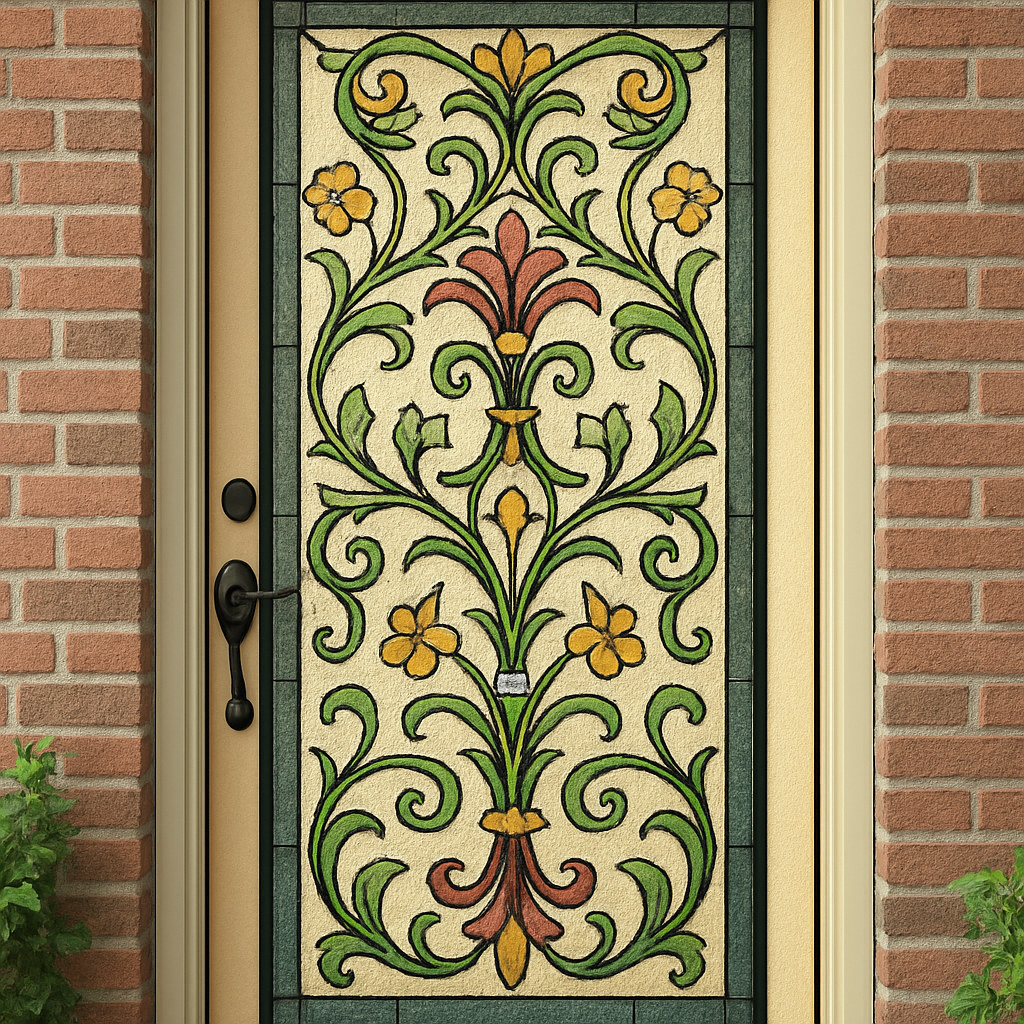
Entryways and front doors often feature glass panels or sidelights. Privacy window film can prevent passersby from peering into your home while still allowing you to enjoy natural light. Choose from decorative patterns or a simple frosted finish to enhance your entryway’s appearance.
Living Rooms
Privacy window film can help create a cozy and private living room environment. It reduces glare on television screens and can protect furniture from fading due to UV exposure. Decorative films can also serve as a conversation piece or complement your interior design.
Commercial Spaces
In commercial settings, privacy window films are often used to create private meeting rooms or to obscure storage areas. They can also be used to add branding elements to glass partitions or storefronts.
How to Choose the Right Privacy Window Film
When selecting privacy window film, consider the following factors to ensure you choose the right product for your needs:
Level of Privacy
Different films offer varying degrees of privacy. Decide how much visibility you need to block and choose a film that meets your requirements. Frosted and etched films typically offer higher privacy levels than decorative or tinted options.
Design and Style
Consider the overall design and style of your space. Choose a film that complements your decor and enhances the room’s aesthetics. Decorative films come in a wide range of patterns and colors, allowing for creative expression.
UV Protection
If energy efficiency and UV protection are important to you, look for films with these features. UV-blocking films can help reduce glare, protect furnishings from sun damage, and improve energy efficiency.
Installation and Maintenance
Consider whether you want a DIY-friendly option or prefer professional installation. Some films are easier to install than others, and professional installation can ensure a flawless finish. Additionally, consider how easy the film is to clean and maintain.
Installation Tips
Installing privacy window film can be a straightforward DIY project, but following these tips can help you achieve the best results:
Clean the Windows: Ensure the glass surface is clean and free from dust or debris before applying the film. Any dirt or smudges can affect the film’s adhesion and appearance.
Measure Accurately: Measure your windows carefully and cut the film to the appropriate size, leaving a small margin for adjustments.
Use a Squeegee: A squeegee can help smooth the film onto the glass, removing air bubbles and ensuring a tight fit.
Trim Excess Film: Use a sharp utility knife to carefully trim any excess film from the edges after installation.
Privacy window film is an excellent solution for enhancing privacy, improving energy efficiency, and adding a decorative touch to your windows. Whether you’re looking to create a more private home office, protect your bathroom privacy, or enhance your living room decor, privacy window film offers a versatile and stylish option. By considering your privacy needs, design preferences, and installation options, you can choose the perfect film to complement your space and enjoy the benefits it provides.