Window tinting is an often overlooked yet effective way to enhance your home. Whether your goal is to increase privacy, reduce glare, or improve energy efficiency, window tinting offers a versatile solution. This comprehensive guide will walk you through the benefits of window tinting, how it works, and how to choose the best type for your home.
Understanding Window Tinting
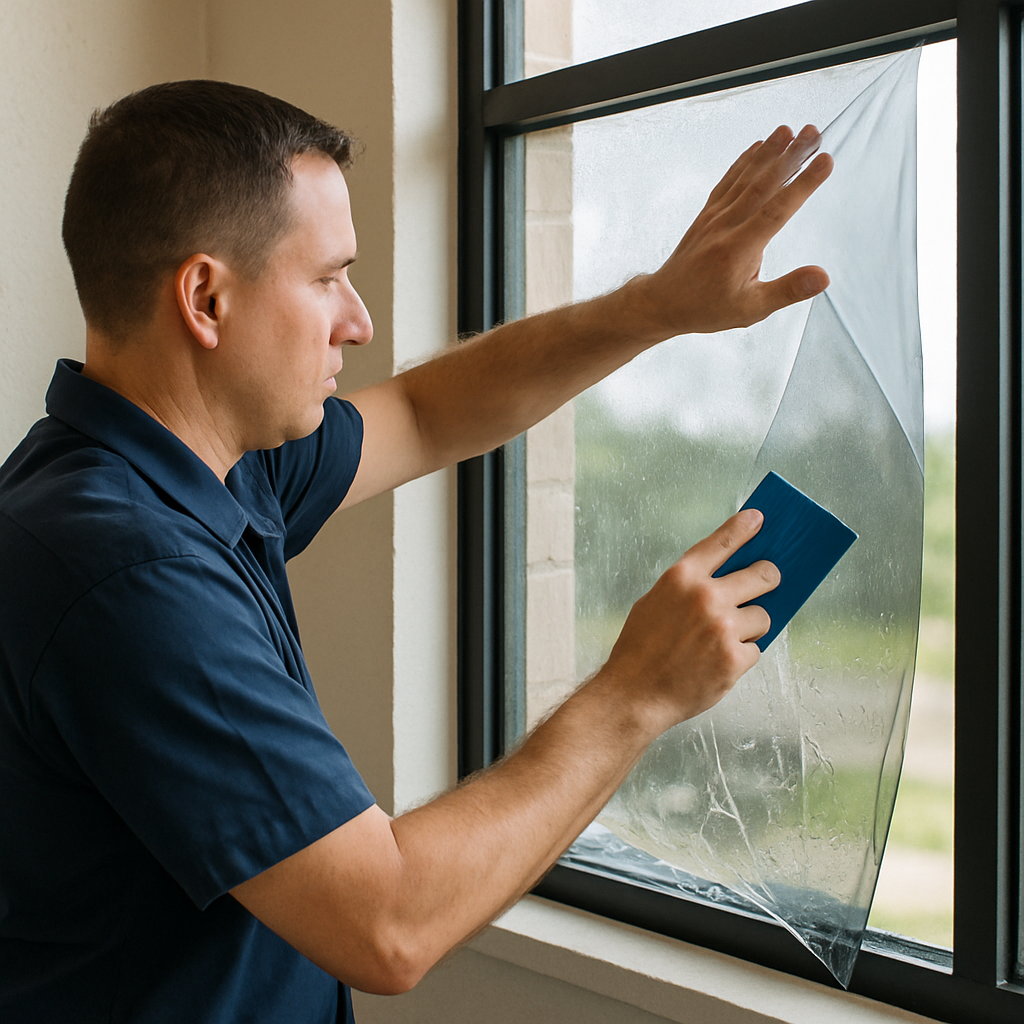
Window tinting involves applying a thin film to the interior surface of your windows. This film is made of polyester and other compounds that provide various benefits such as UV protection, glare reduction, and privacy. While many associate window tinting with cars, home window tinting offers numerous advantages.
Benefits of Window Tinting
- Energy Efficiency: Window tinting helps maintain consistent indoor temperatures by reducing heat gain in the summer and heat loss in the winter. This can lead to lower energy bills as your HVAC system won’t have to work as hard to maintain a comfortable temperature.
- UV Protection: Harmful UV rays from the sun can cause furniture, flooring, and artwork to fade over time. Window tinting blocks up to 99% of these rays, protecting your home’s interior and prolonging the life of your possessions.
- Glare Reduction: Natural light is lovely, but too much can result in uncomfortable glare on screens and reflective surfaces. Window tinting reduces glare, making it easier to watch TV, use a computer, or simply enjoy the sunlight.
- Increased Privacy: Privacy window film allows you to enjoy the natural light while keeping prying eyes out. This is especially useful for ground-level rooms or windows facing the street.
- Enhanced Aesthetics: Available in various shades and styles, window tinting can enhance the appearance of your home, both inside and out. It can give your windows a sleek, modern look or complement your existing decor.
Choosing the Right Window Tint
When selecting a window tint, consider your primary goals. Are you looking to improve energy efficiency, increase privacy, or simply add a decorative touch? Different types of window film cater to these needs.
Types of Window Tint
- Solar Control Film: This type of film is designed to reduce heat and glare. It’s ideal for rooms with large windows that get a lot of sun exposure.
- Privacy Window Film: Perfect for bathrooms, bedrooms, or any room where you’d like more privacy without sacrificing natural light.
- Decorative Film: Available in a wide range of patterns and colors, decorative film adds a unique touch to your home’s interior.
- Security Film: This thicker film strengthens windows, making them more resistant to shattering. It’s an excellent choice for ground-floor windows or homes in areas prone to storms.
Factors to Consider
- Climate: If you live in a hot climate, consider a film with high solar heat reduction capabilities. In colder areas, look for a film that provides good insulation.
- Window Orientation: South-facing windows receive more sunlight and may benefit from a stronger UV-protective film.
- Aesthetic Preferences: Choose a film that complements your home’s design. Reflective films provide a modern look, while frosted films offer a more traditional appearance.
Installation Process
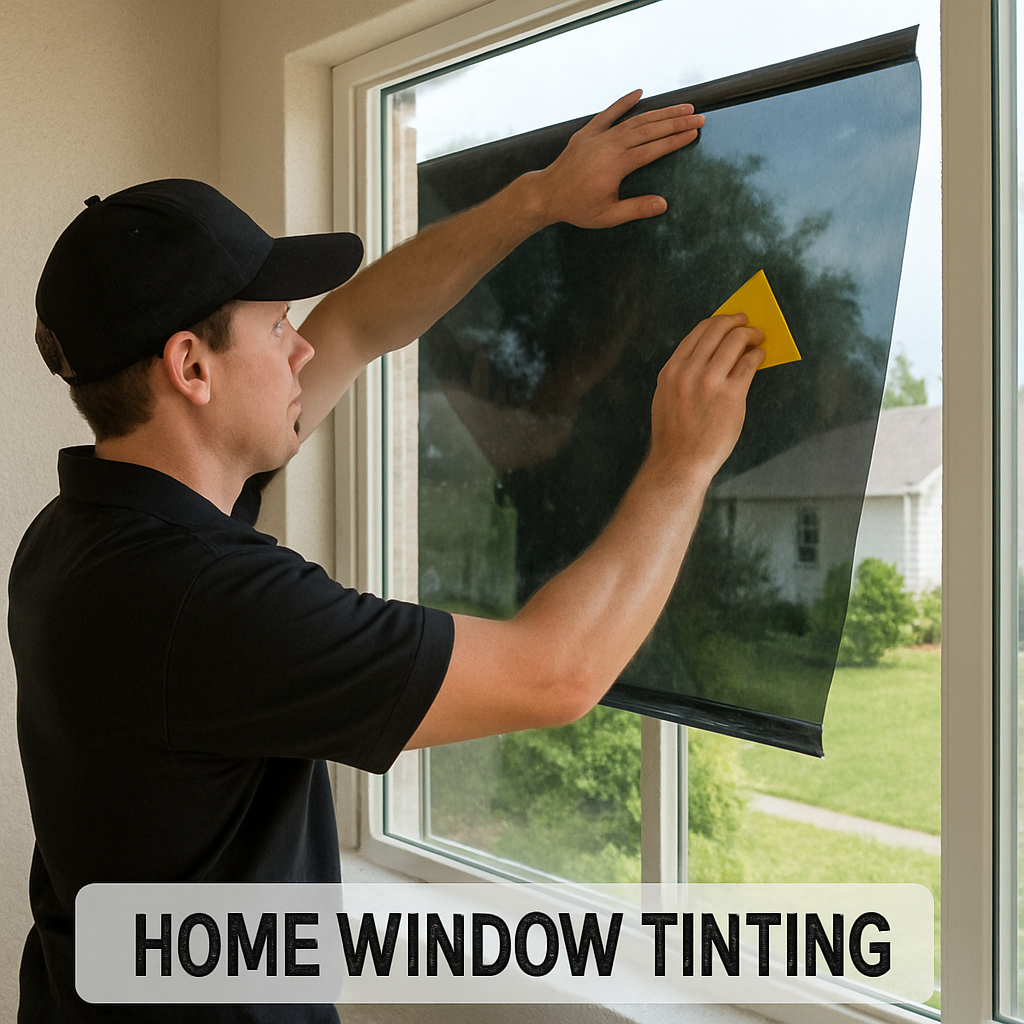
While some homeowners choose to install window film themselves, professional installation ensures the best results. A professional installer will have the tools and experience needed to apply the film without bubbles or creases.
Steps for Installation
- Consultation: Discuss your needs and preferences with a professional installer. They can recommend the best type of film for your home.
- Preparation: Clean the windows thoroughly to remove any dirt or debris that could affect the film’s adhesion.
- Application: The installer will cut the film to size and apply it to the window using a special adhesive.
- Finishing Touches: Once applied, the film is smoothed out to remove any air bubbles and ensure a perfect fit.

by the blowup (https://unsplash.com/@theblowup)
Maintaining Your Window Tint
Proper care and maintenance will prolong the life of your window tint and keep it looking its best.
Tips for Maintenance
- Cleaning: Use a soft cloth and mild soapy water to clean the film. Avoid abrasive cleaners or tools that could scratch the surface.
- Avoid Stickers: Don’t apply stickers or other adhesives to the film, as they can damage the surface.
- Be Gentle: Handle windows with care to prevent tearing or peeling of the film.
Conclusion
Window tinting is a cost-effective way to improve the comfort, privacy, and energy efficiency of your home. By selecting the right type of film and ensuring proper installation, you can enjoy these benefits for years to come. Whether you’re an interior designer looking to offer clients stylish solutions or a homeowner seeking to enhance your living space, window tinting is a valuable addition to any home improvement project.
Explore the wide range of window tinting options available and consider consulting a professional to help you make the best choice for your specific needs. With the right window film, you’ll not only enhance the aesthetic appeal of your home but also create a more comfortable and energy-efficient environment.