When it comes to enhancing the comfort and energy efficiency of a home, window insulation film is a game-changer. With the right choice, you can transform your living space into a more comfortable, energy-efficient, and stylish environment. In today’s world, where sustainability and cost-efficiency are at the forefront of consumer concerns, window insulation film offers an elegant solution. But what exactly is window insulation film, and how can it benefit your home or your clients’ homes? Let’s dive into the details to explore its multifaceted advantages.
Window insulation film is a thin layer applied to the interior surface of windows. Its primary function is to improve the thermal insulation properties of windows, reducing heat loss in winter and minimizing heat gain in summer. This not only makes your home more comfortable year-round but also leads to significant savings on energy bills. Additionally, window films can be tailored to fit various window sizes and shapes, ensuring that all parts of your home benefit from this innovative technology.
Beyond its thermal advantages, window insulation film can also contribute to noise reduction, providing a quieter indoor environment. This can be especially beneficial in urban settings or near busy streets where external noise can be a constant nuisance. The film acts as an additional barrier against sound, enhancing the tranquility of your home.
How Does Window Film Work?
The science behind window film is simple yet effective. The film acts as a barrier that reflects and absorbs solar energy, reducing the amount of heat that passes through your windows. In the winter, it helps to keep the warmth inside, while in the summer, it blocks out a significant portion of the sun’s heat, keeping your home cooler. This dual functionality makes it an ideal solution for areas with extreme seasonal temperature variations.
The film’s ability to block UV rays also protects your furniture, flooring, and artwork from fading, extending their life and maintaining their appearance. This protective quality is critical for preserving the investment in your home’s interior décor. Over time, the savings on replacing sun-damaged items can be substantial, adding another layer of financial benefit to using window insulation film.
Benefits of Window Insulation Film
Enhancing Energy Efficiency
One of the most significant benefits of window insulation film is its impact on energy efficiency. By reducing the need for heating and cooling, window film can decrease energy consumption and lower utility bills. This makes it an eco-friendly choice that aligns with sustainable living practices. In a world where energy conservation is becoming increasingly important, adopting window film technology represents a forward-thinking approach to home management.
Moreover, the reduction in energy usage not only lessens your carbon footprint but also contributes positively to the environment. For homeowners interested in green certifications or sustainability-focused mortgage benefits, installing window film can be a step towards achieving these goals.
Improving Comfort and Style
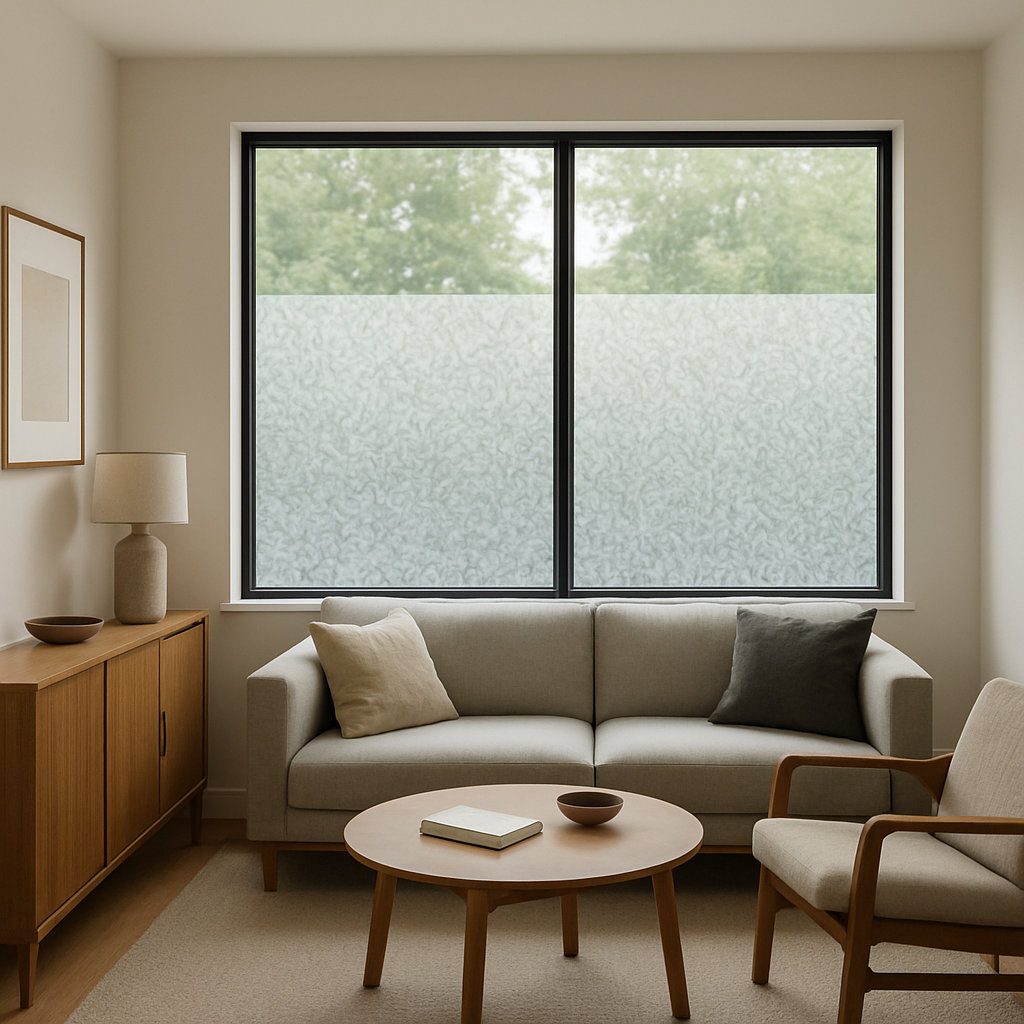
Window film enhances comfort by maintaining a consistent indoor temperature and reducing glare from sunlight. It also offers a range of aesthetic options, allowing homeowners and interior designers to choose from various styles and tints that complement different interior designs. The ability to customize the appearance of window films means that they can blend seamlessly into any design scheme, from modern minimalism to traditional elegance.
Furthermore, the reduction in glare not only improves comfort but also reduces eye strain, making it easier to enjoy natural light without the associated discomfort. Whether you’re working from home, watching television, or simply relaxing, window film can create a more pleasant visual environment.
Protecting Interiors
As mentioned earlier, window film blocks up to 99% of harmful UV rays. This protection helps preserve the color and integrity of your interiors, from furniture and curtains to valuable artworks. By preventing fading and deterioration, window films help maintain the aesthetic appeal of your home, ensuring that your interior spaces look vibrant and fresh for years to come.
In addition to preserving appearances, protecting interiors from UV damage also contributes to maintaining the structural integrity of materials. Fabrics, wood, and plastics are all susceptible to UV degradation, so window film can significantly extend the lifespan of these materials, further contributing to cost savings.
Increasing Privacy
Some window films are designed to increase privacy without sacrificing natural light. These films are particularly popular in urban settings where homes and offices are close together. Privacy films provide a sense of seclusion without the need for heavy curtains or blinds, allowing natural light to fill the space while keeping prying eyes at bay.
In addition to privacy, these films can also enhance security by obscuring the view of valuable items from outside. This added layer of discretion can deter potential intruders, providing peace of mind for homeowners and business owners alike.
Types of Window Insulation Film
There are several types of window films, each offering different benefits:
Solar Control Film
This type of film is designed to reduce glare and heat gain, making it ideal for homes in sunny climates. It helps maintain a cooler indoor temperature and reduces the reliance on air conditioning. By reflecting a significant portion of solar energy, solar control films contribute to a more balanced indoor climate, minimizing the peaks and troughs in temperature that can strain HVAC systems.
Solar control films can also enhance the longevity of air conditioning units by reducing their workload, leading to fewer repairs and replacements. This can be especially beneficial in regions where cooling systems are heavily used throughout the year.
Decorative Film

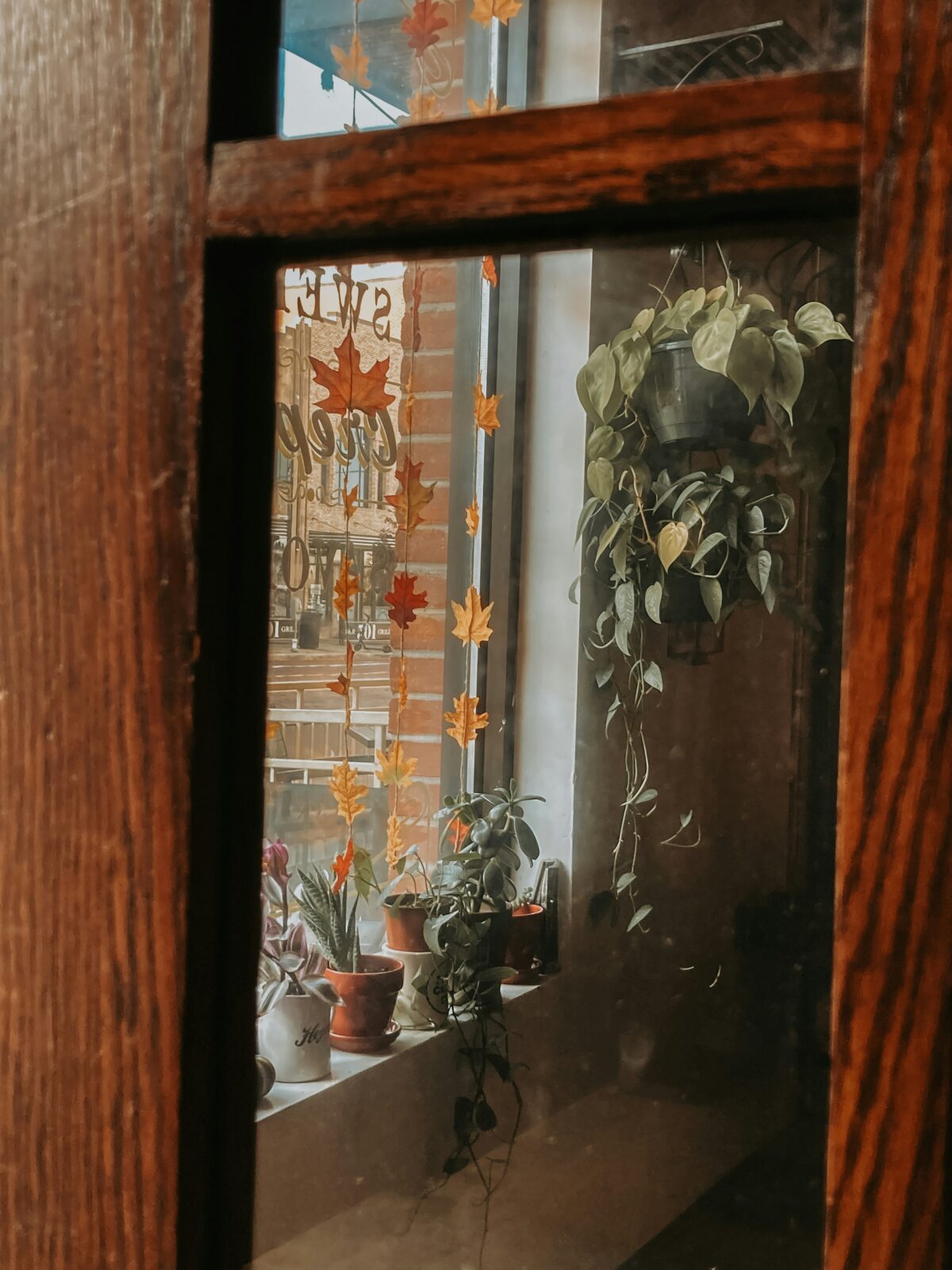
by Beverly Kimberly (https://unsplash.com/@beverlki)
Decorative films offer aesthetic appeal and privacy. They come in various patterns and colors, adding a unique touch to any room while still providing the benefits of insulation. These films can be used to create striking visual effects, mimic the look of etched or stained glass, and can be easily changed if design preferences evolve over time.
In addition to their aesthetic benefits, decorative films can also be used strategically in commercial settings to convey branding or enhance customer experience. They offer a cost-effective way to personalize spaces without committing to permanent architectural changes.
Safety and Security Film
This film is thicker and designed to hold glass together in case of breakage. It’s an excellent choice for homes in areas prone to severe weather or for those looking to add an extra layer of security. By reinforcing the glass, safety and security films can prevent injuries from shattered glass and deter break-ins, providing an invaluable safeguard for occupants.
Moreover, in the event of an attempted burglary or natural disaster, these films can buy crucial time, allowing individuals to seek safety or alert authorities. The peace of mind provided by these films can be a significant factor for homeowners and businesses alike.
Low-E Film
Low-E, or low-emissivity, films are designed to improve thermal insulation. They reflect heat back into the room during winter and keep heat out during summer, making them a versatile choice for year-round comfort. Low-E films are particularly advantageous in climates with distinct seasonal changes, as they provide consistent energy savings throughout the year.
In addition to their thermal benefits, Low-E films can also improve the clarity of your windows by reducing the amount of light scatter, leading to a clearer view and enhancing the overall quality of natural light entering your space.
Installation Process
The installation of window insulation film is a straightforward process, but it requires precision to ensure optimal performance. Here’s a brief overview:
- Preparation: Clean the window thoroughly to remove any dirt, dust, or debris. This ensures that the film adheres properly without any bubbles or imperfections. A clean surface is crucial for achieving a professional-looking finish and ensuring the longevity of the film.
- Measurement: Measure the window and cut the film to size, leaving a small margin for adjustments. Accurate measurements are essential to avoid wastage and to ensure that the film fits perfectly, providing complete coverage and maximum effectiveness.
- Application: Peel away the film’s backing and carefully apply it to the window, starting from the top and working your way down. Use a squeegee to remove any air bubbles and ensure a smooth finish. The application process requires patience and attention to detail to avoid creases or misalignment.
- Trimming: Once applied, trim any excess film for a clean and neat appearance. This final step not only enhances the aesthetic appeal but also ensures that the film does not peel or curl at the edges over time.
Professional installation is recommended for large or complex windows to achieve the best results and ensure longevity. Expert installers have the tools and experience to handle challenging installations, providing peace of mind and guaranteeing satisfaction.
Choosing the Right Film for Your Needs
When selecting window film, consider the specific needs and goals of your space:
- Climate: If you live in a hot, sunny climate, solar control film might be the best option. For colder areas, low-E film can offer better insulation. Understanding your local climate conditions will help you choose the most effective film type for energy savings and comfort.
- Aesthetic Preferences: Decorative films provide a stylish option for enhancing interiors. Consider the existing color schemes and design elements of your space to select a film that complements and enhances the overall aesthetic.
- Privacy and Security: For increased privacy or security concerns, opt for a privacy or security film. Evaluate the visibility needs and security risks of your space to determine the appropriate level of opacity and protection.
Conclusion
Window insulation film offers a practical and stylish solution for improving home comfort and energy efficiency. Whether you’re an interior designer seeking to provide clients with cost-effective and eco-friendly solutions or a homeowner looking to enhance your living space, window film is a valuable investment. By embracing this technology, you can achieve significant energy savings while enhancing the visual appeal and functionality of your home.
By selecting the right type of film and ensuring proper installation, you can enjoy the benefits of reduced energy costs, increased comfort, and preserved interior aesthetics. Embrace the transformative power of window insulation film and elevate the functionality and style of your home. The journey to a more sustainable, comfortable, and beautiful living space starts with the simple addition of window insulation film.
::contentReference[oaicite:0]{index=0}