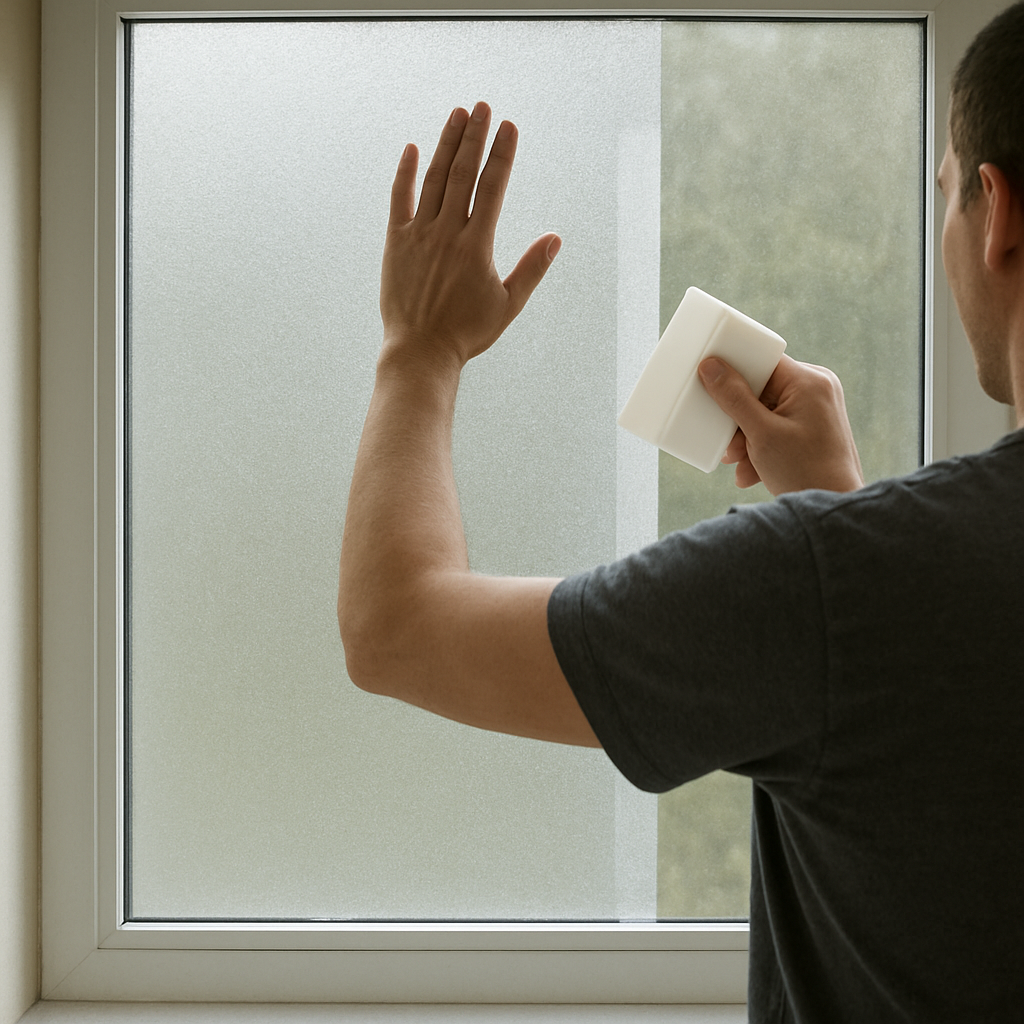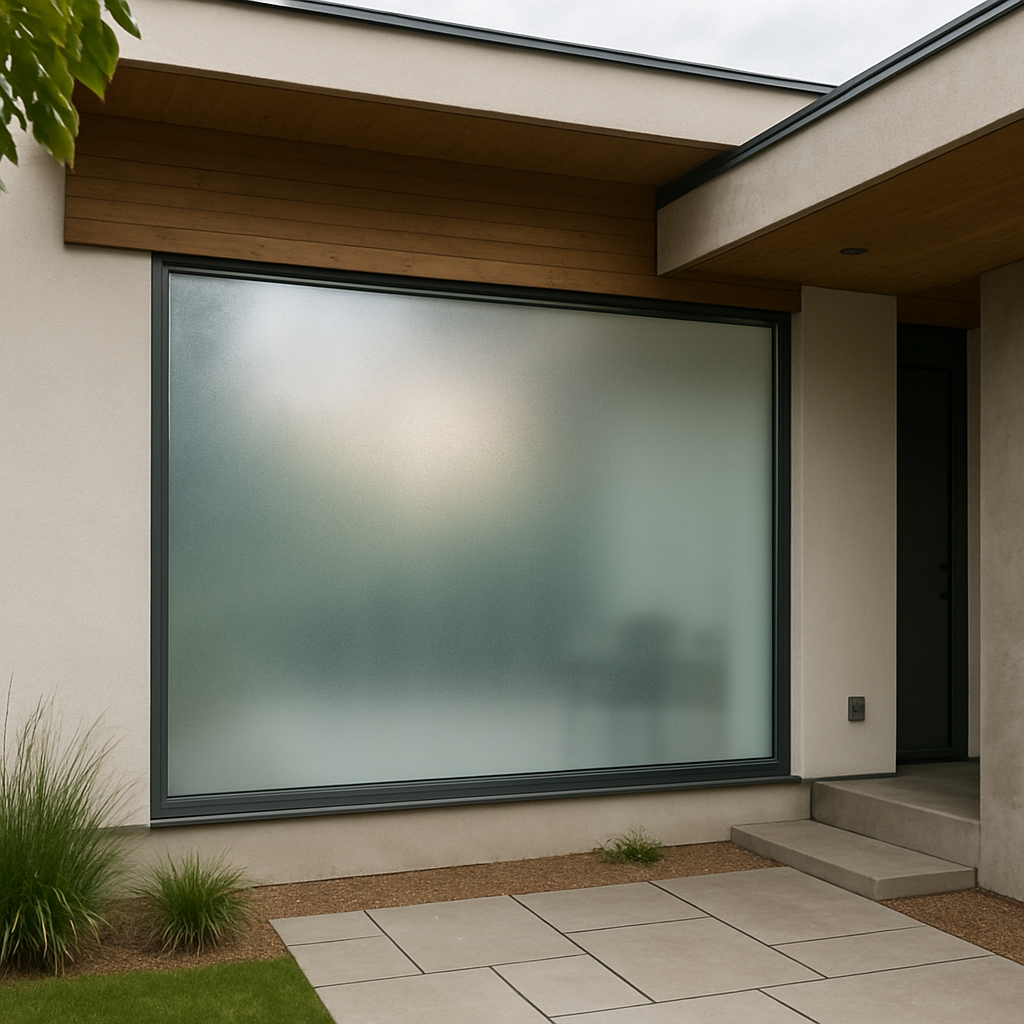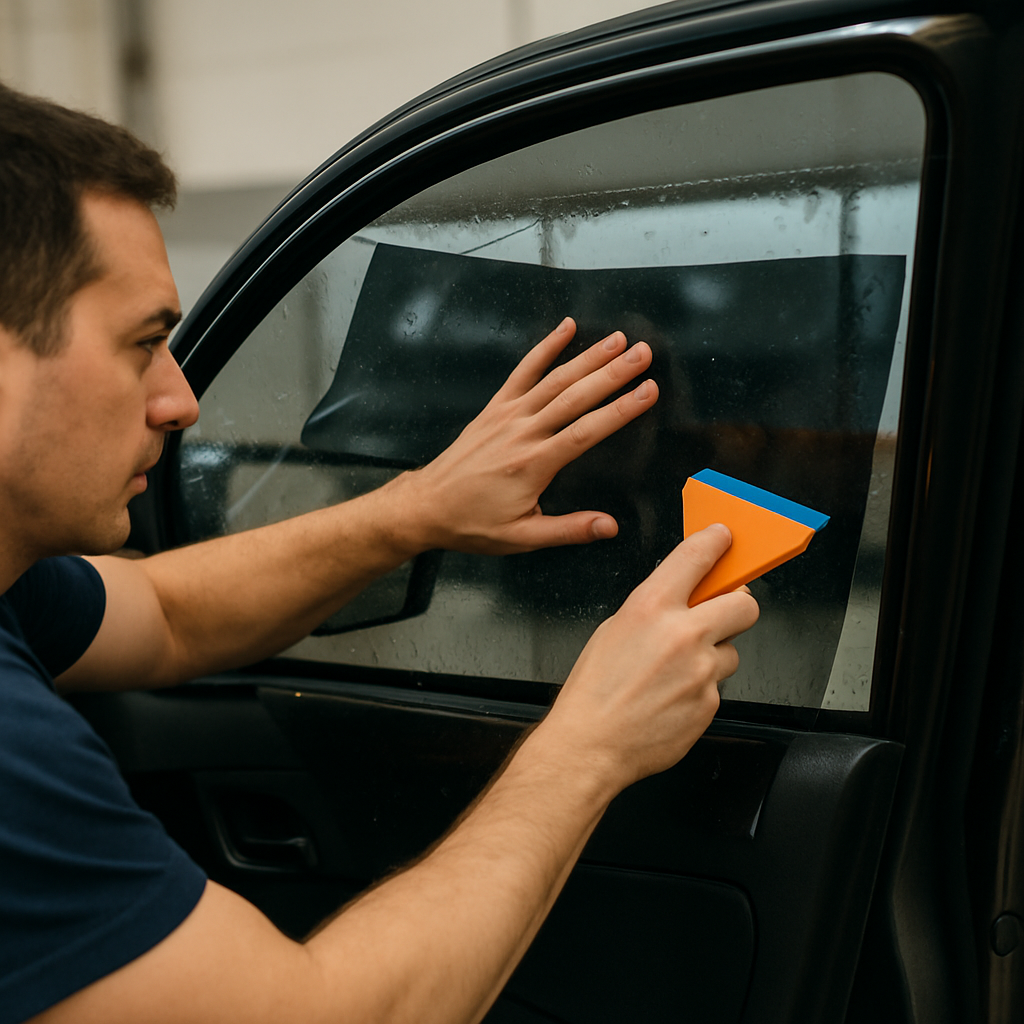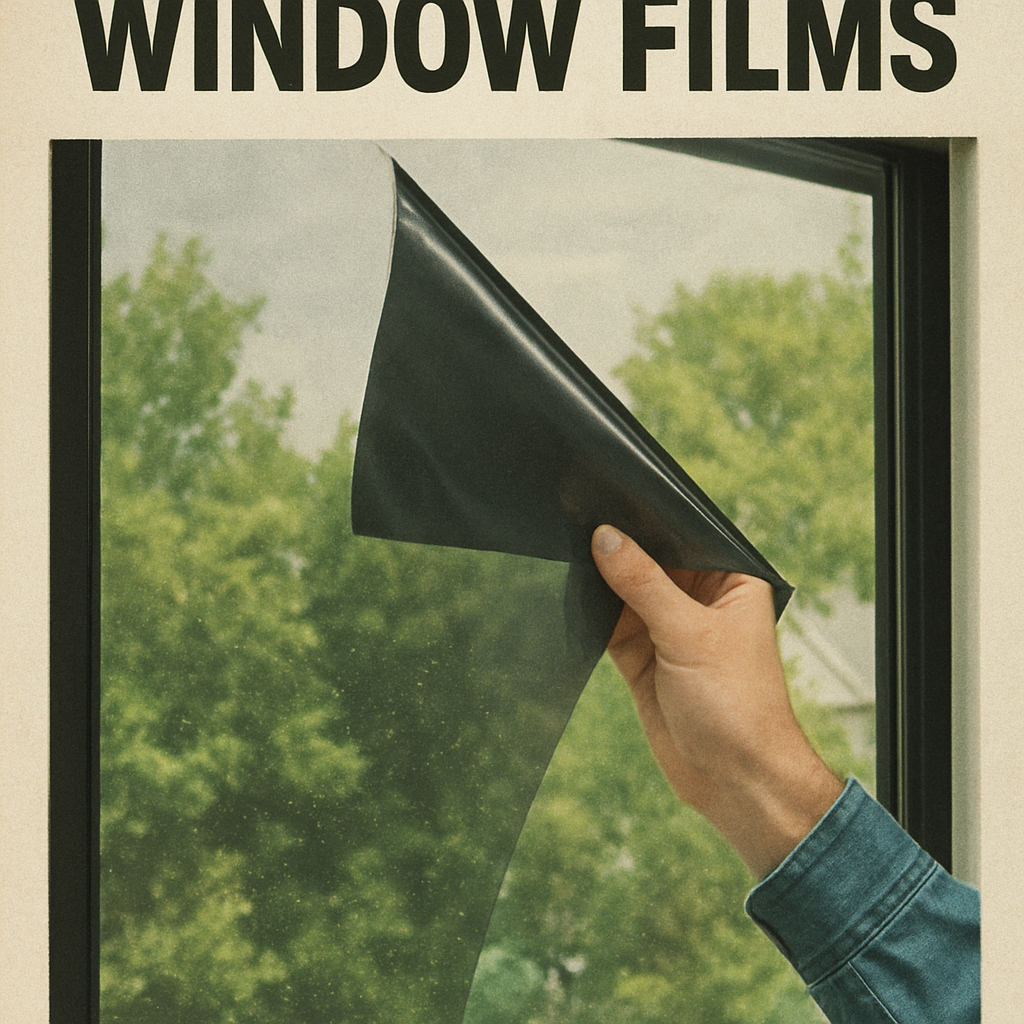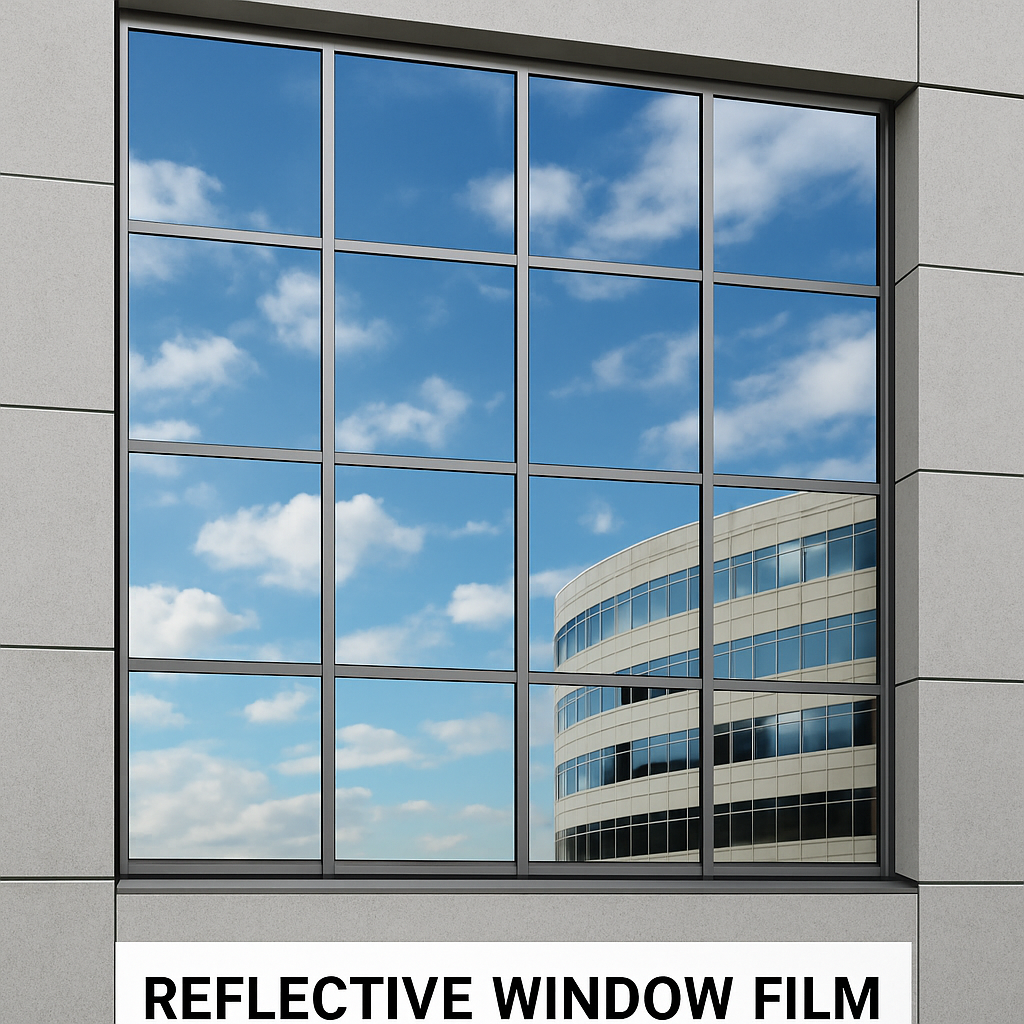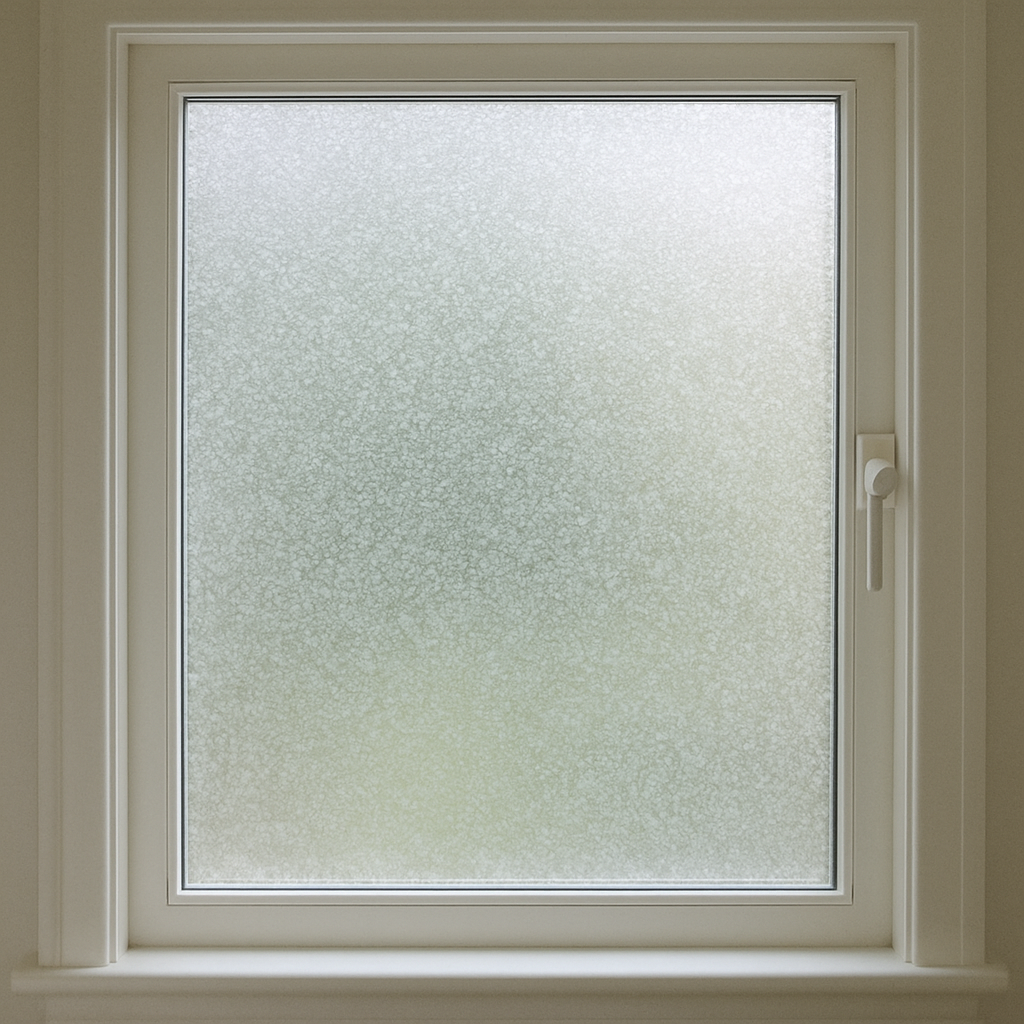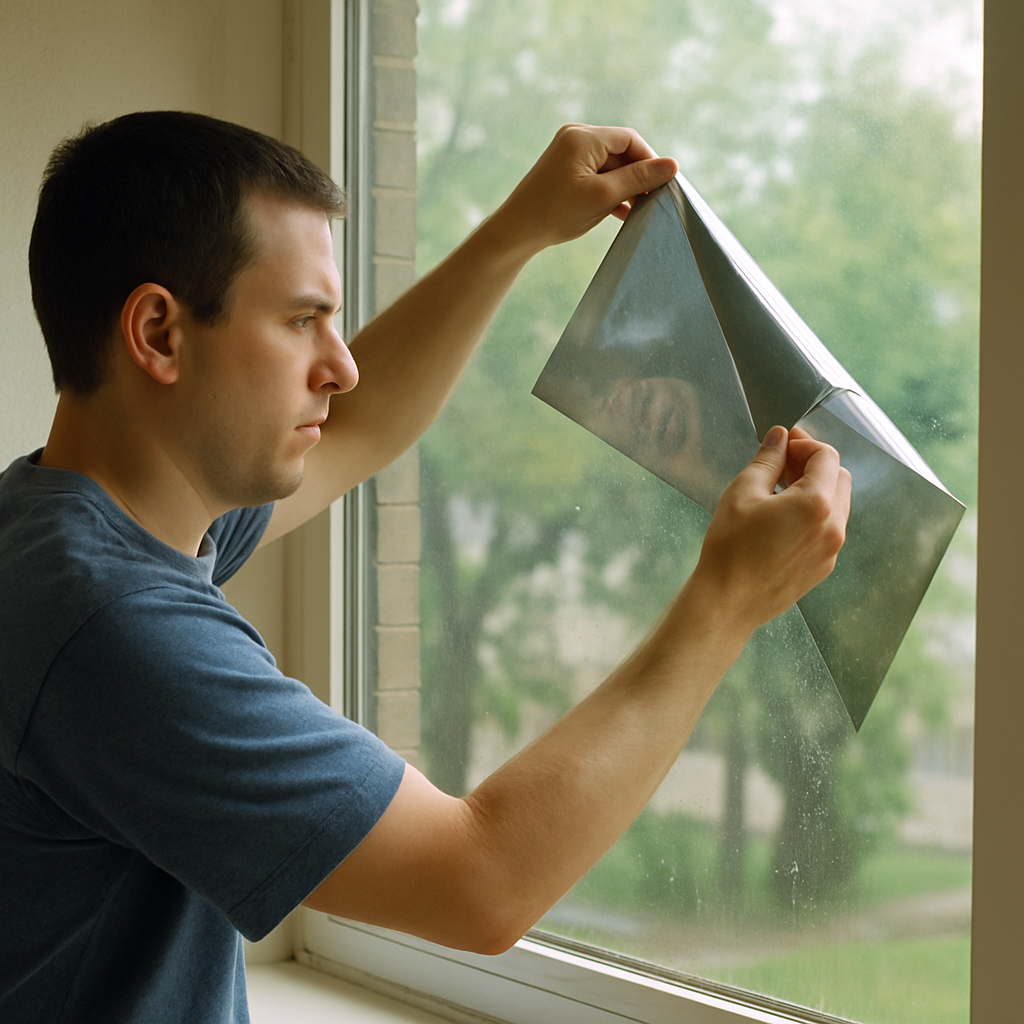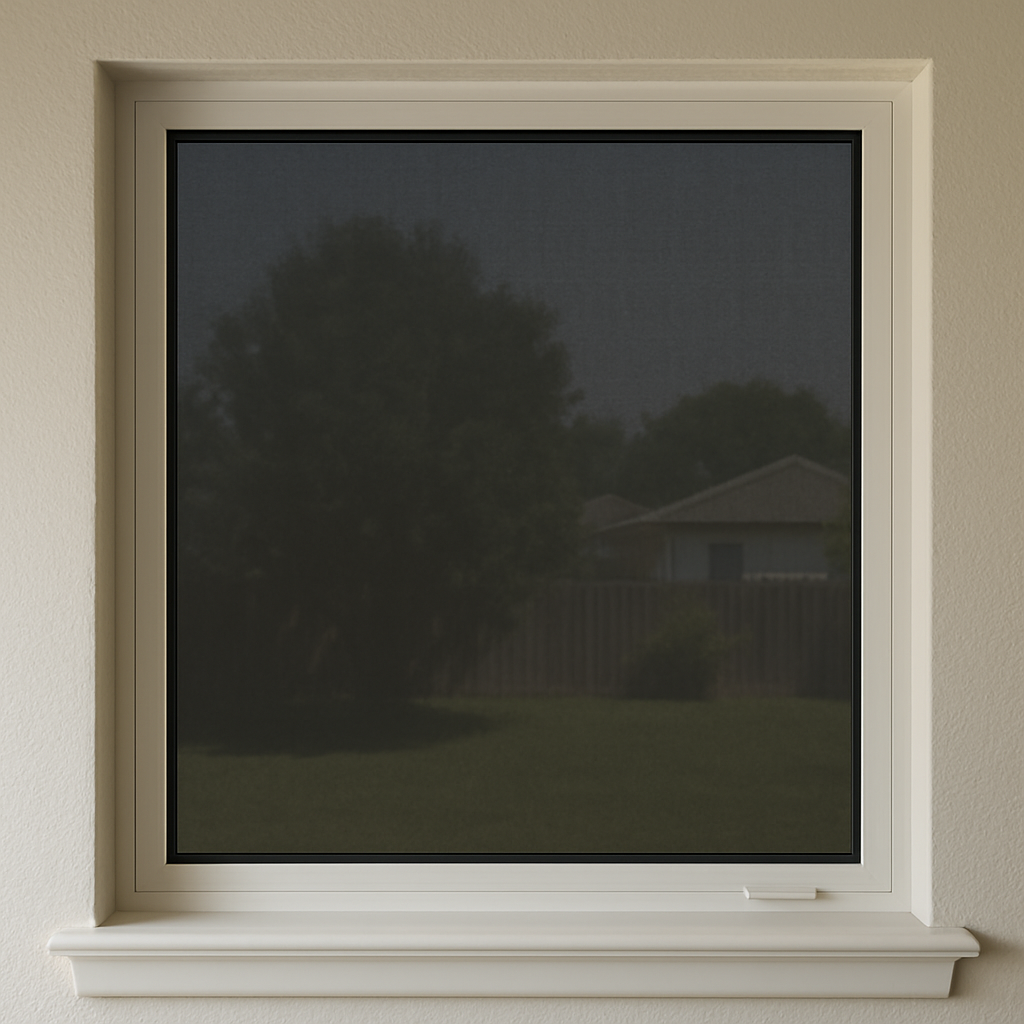
Before we explore the factors influencing the lifespan of home window film, it’s important to understand what window tinting entails. Window tinting involves applying a thin film to the interior surface of your windows. This film is designed to reduce glare, block UV rays, enhance privacy, and improve the overall energy efficiency of your home. By doing so, window tinting not only enhances the visual appeal of a home but also contributes to a more comfortable living environment.
Moreover, window tinting can be customized according to specific needs and preferences, offering a range of options from varying levels of darkness to different shades and colors. This customization allows homeowners to tailor the benefits of window tinting to their particular lifestyle and aesthetic desires. Understanding these basics sets the foundation for selecting the right type of tint for your home and maximizing its longevity and benefits.
Types of Residential Window Tint
The type of window tint you choose plays a crucial role in its longevity. There are several types of residential window film, each offering distinct advantages and trade-offs:
- Dyed Film: This is the most cost-effective option and provides good heat and glare reduction. However, its lifespan is generally shorter compared to other films. Over time, dyed films may fade and lose their effectiveness, especially when exposed to intense sunlight.
- Metalized Film: Known for its durability, metalized film contains tiny metallic particles that reflect heat and block UV rays. It typically lasts longer than dyed film, providing a robust solution for those looking to combine cost-effectiveness with durability. However, it may interfere with electronic signals, which can be a consideration for some homeowners.
- Ceramic Film: The most advanced and expensive option, ceramic film offers excellent heat reduction and UV protection without interfering with visibility. It’s also known for its long-lasting performance and is often the preferred choice for those seeking maximum efficiency and longevity. Ceramic films do not fade over time and maintain their clarity, making them ideal for long-term use.
Factors Influencing the Lifespan of Window Tinting
Several factors can affect how long your window tint lasts. Understanding these will help you select the right film and maintain it properly for maximum longevity. By being aware of these factors, you can make informed decisions that ensure your investment in window tinting pays off in the long run.
Quality of the Window Film
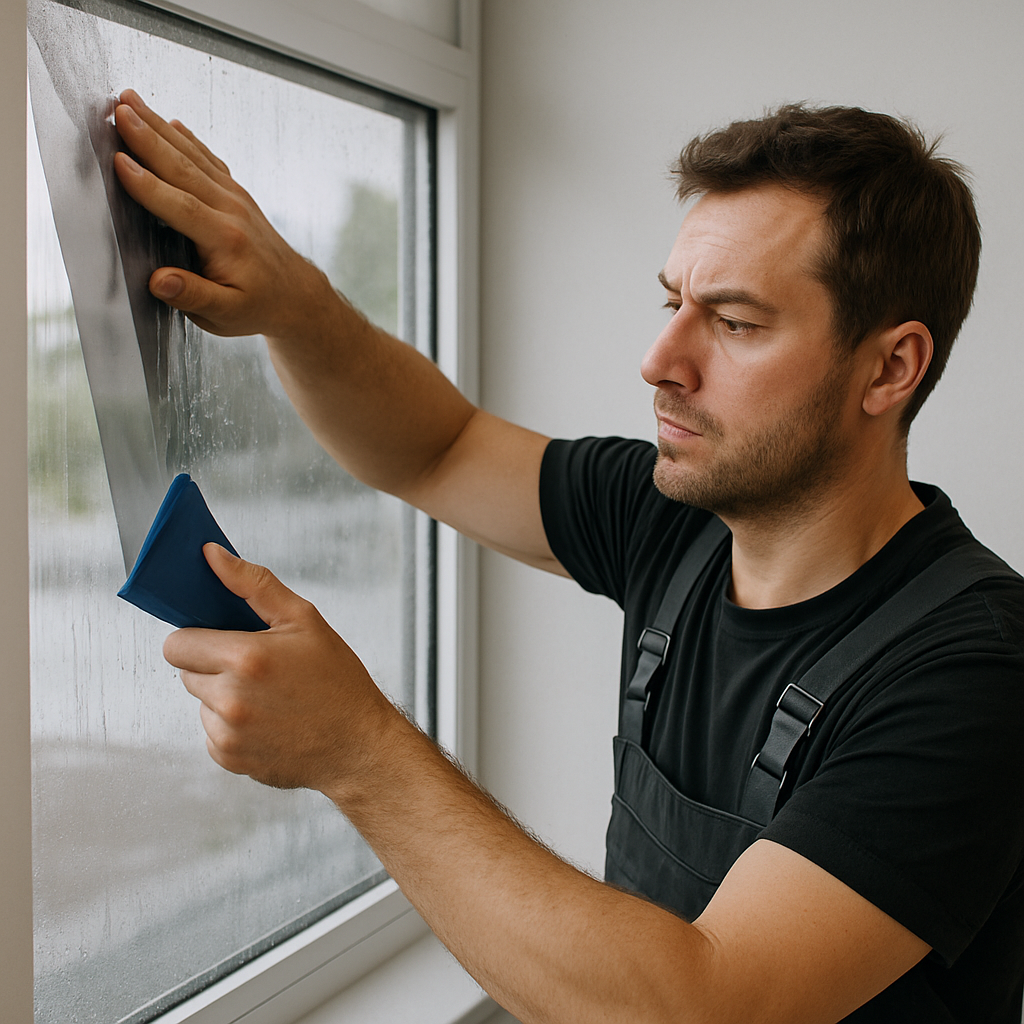
The quality of the window film is one of the most significant determinants of its lifespan. Premium quality films are manufactured to withstand harsh conditions and last longer than cheaper alternatives. Investing in high-quality film can significantly extend the life of your window tint, offering better performance and durability over time. High-quality films are typically made with advanced materials that resist fading, peeling, and discoloration, ensuring they maintain their effectiveness throughout their lifespan.
Furthermore, high-quality films often come with better warranties, providing added assurance of their longevity and performance. When evaluating window tint options, it’s important to consider not just the initial cost but the long-term value and reliability that high-quality films provide. This investment can lead to greater satisfaction and savings in the future.
Installation Process
The installation process is just as important as the quality of the film itself. Professional installation ensures that the film is applied correctly, without bubbles or creases, which can compromise its durability. When installed by a skilled technician, the film adheres better and performs optimally over time. Proper installation also ensures that the film provides uniform coverage, enhancing its aesthetic appeal and functionality.
Additionally, professional installers can tailor the application to the specific needs of your windows, considering factors such as the type of glass and environmental conditions. This expertise results in a more precise and effective installation, which can significantly impact the lifespan and performance of the window tint. Skimping on professional installation can lead to issues such as peeling, bubbling, or premature degradation of the film.
Environmental Conditions
The environment in which the window film is installed plays a vital role in its longevity. Factors such as exposure to direct sunlight, temperature fluctuations, and humidity levels can impact the film’s performance. Homes in areas with intense sunlight or extreme weather conditions may experience faster degradation of window tint. It’s important to choose a film that is designed to withstand the specific environmental challenges of your location.
In regions with high UV exposure, selecting a film with superior UV blocking capabilities can prolong its lifespan and effectiveness. Similarly, in areas prone to temperature extremes, a film that provides excellent thermal insulation can offer additional protection and durability. By considering the environmental conditions, homeowners can choose a window tint that meets their needs and expectations.
Maintenance and Care
Proper maintenance is key to extending the lifespan of your home window film. Regular cleaning with non-abrasive, ammonia-free solutions will help preserve the film’s integrity. Avoid using harsh chemicals or rough materials that could scratch or damage the film. Simple maintenance practices can prevent premature wear and ensure that the film continues to perform effectively over time.
It’s also important to inspect the window tint periodically for signs of wear or damage, such as peeling edges or bubbling. Addressing these issues promptly can prevent further deterioration and extend the life of the film. By following recommended maintenance guidelines, homeowners can maximize the return on their investment in window tinting.
Benefits of Long-lasting Window Tinting
Investing in window tinting with a long lifespan offers several benefits for homeowners. Here’s what you can expect:
Energy Efficiency and Cost Savings
Long-lasting window tinting improves your home’s energy efficiency by reducing heat gain in the summer and heat loss in the winter. This results in lower energy bills and a more comfortable living environment year-round. By maintaining a consistent indoor temperature, window tinting reduces the workload on HVAC systems, leading to additional savings on energy costs.
Furthermore, the insulating properties of window tinting can contribute to a more sustainable home by decreasing the carbon footprint associated with heating and cooling. This environmental benefit aligns with the growing trend towards eco-friendly home improvements, making window tinting a responsible choice for environmentally conscious homeowners.
Enhanced UV Protection
Over time, exposure to UV rays can fade furniture, flooring, and artwork. High-quality window film blocks up to 99% of harmful UV rays, protecting your home’s interior and extending the life of your furnishings. This protection preserves the vibrancy and value of your interior decor, preventing costly replacements or repairs due to sun damage.
In addition to protecting belongings, reducing UV exposure also contributes to the health and well-being of the home’s occupants. By minimizing the harmful effects of UV rays, window tinting can help reduce the risk of skin damage and other health issues associated with prolonged UV exposure.
Increased Privacy and Security
Window tinting enhances privacy by limiting the view into your home from the outside. Additionally, some films offer added security by holding glass together in the event of breakage, reducing the risk of injury and deterring potential intruders. This added layer of protection can provide peace of mind for homeowners, knowing that their home is more secure.
The increased privacy offered by window tinting also allows homeowners to enjoy their living spaces without concerns about prying eyes. Whether it’s for personal comfort or security reasons, window tinting provides a valuable enhancement to the safety and privacy of a home.
Choosing the Right Window Tint for Longevity
When selecting window tint for your home, consider the following factors to ensure you choose a product that will stand the test of time:
Evaluate Your Needs
Consider what you want to achieve with your window tinting. Are you primarily interested in UV protection, privacy, or energy efficiency? Understanding your needs will help you select the right type of film. By aligning your choice with your priorities, you can ensure that the window tinting meets your expectations and delivers the desired benefits.
It’s also helpful to consider how your needs may evolve over time. For example, if you anticipate changes in home use or occupancy, selecting a versatile film that offers multiple benefits can provide greater long-term value. Taking a proactive approach to evaluating your needs can lead to a more satisfying and effective window tinting solution.
Consult with Professionals
Consulting with a professional window film installer can provide valuable insights and recommendations tailored to your specific situation. They can help you choose the best product for your needs and ensure it’s installed correctly for maximum longevity. Professionals have the expertise to assess factors such as window orientation, local climate, and building materials, which can influence the performance of window tinting.
Additionally, professionals can provide guidance on the latest advancements in window film technology, helping you make informed decisions about the best options available. Their experience and knowledge can be invaluable in selecting a product that delivers both immediate and long-term benefits.
Review Warranties
Many high-quality window films come with warranties that guarantee their performance for a certain number of years. Reviewing these warranties can give you peace of mind and assurance that your investment is protected. A comprehensive warranty can serve as an indicator of the manufacturer’s confidence in their product’s durability and performance.
When reviewing warranties, consider the specific terms and conditions, including coverage for issues such as fading, bubbling, or peeling. Understanding the warranty details can help you make a more informed decision and ensure that you are fully aware of the protection provided with your purchase.
Conclusion

by Claudio Schwarz ([https://unsplash.com/@purzlbaum](https://unsplash.com/@purzlbaum))
The lifespan of home window tinting depends on a variety of factors, including the quality of the film, the installation process, environmental conditions, and maintenance practices. By selecting high-quality window tint, ensuring professional installation, and following proper care guidelines, you can enjoy the benefits of window tinting for many years to come. Whether you’re looking to improve energy efficiency, protect your home’s interior, or enhance privacy, investing in durable window tinting is a wise decision that adds value to your living space.
In conclusion, home window tinting is not just an aesthetic enhancement, but a functional improvement that offers significant long-term benefits. By understanding the factors that influence the lifespan of window tinting and making informed choices, homeowners can maximize their investment and enjoy a more comfortable, efficient, and secure home environment.