# Best Ways to Use Heat Reflective Window Film
When considering ways to enhance home comfort and energy efficiency, heat reflective window film stands out as an innovative solution. As a skilled communicator in the field of home improvement, I’ll guide you through the myriad benefits and applications of this transformative product. With a focus on quality and precision, you’ll learn how to tailor these solutions to meet individual needs, whether for privacy, energy savings, or aesthetic appeal.
Heat reflective window film is a thin, multi-layered film applied to windows. It’s designed to reflect a significant amount of the sun’s heat, helping to keep indoor spaces cooler. By doing so, it reduces the load on air conditioning systems, which can lead to noticeable energy savings.
How Does It Work?
The film is composed of metallic particles that reflect infrared rays from the sun. These rays are primarily responsible for heating indoor spaces. By reflecting them away, the film maintains a more consistent indoor temperature, even during peak sunlight hours.
Benefits of Heat Reflective Window Film
- Energy Efficiency: One of the primary advantages of heat reflective window film is its ability to enhance energy efficiency. By reducing the amount of heat entering a home, less energy is required for cooling, leading to lower energy bills.
- Improved Comfort: Maintaining a stable indoor climate enhances comfort, particularly in rooms with large windows or where air conditioning may struggle to keep up with heat gain.
- UV Protection: These films also block up to 99% of harmful UV rays, which can fade furniture, flooring, and artwork. This protection extends the life of interior furnishings.
- Privacy and Security: Reflective window films offer increased privacy during the daytime as they obscure the view from outside, while still allowing those inside to see out. Certain films can also add a layer of security by holding glass shards together in the event of a breakage.
Applications of Reflective Window Film
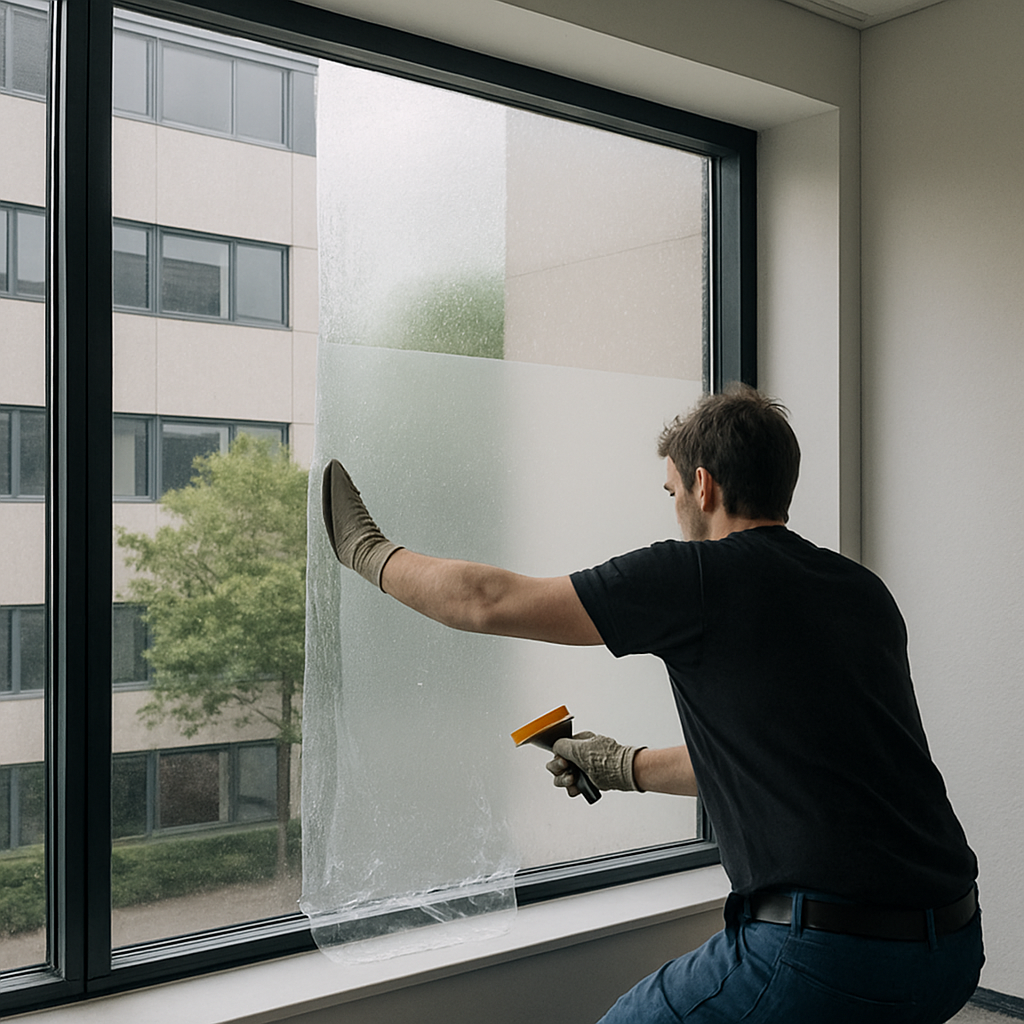
Reflective window film isn’t just for residential use; it’s also widely applied in commercial settings. Here are some of the best ways to use it:
Residential Applications
- Living Rooms and Sunrooms: These are often the brightest rooms in a house but can also become uncomfortably warm. Applying heat reflective film can help maintain a comfortable temperature without sacrificing natural light.
- Bedrooms: For those who enjoy sleeping in a cooler room or want to block early morning sunlight, reflective window film is an excellent choice.
- Home Offices: With more people working from home, a comfortable work environment is crucial. Reflective window film can reduce glare on screens and maintain a pleasant temperature.
Commercial Applications
- Office Buildings: Reduce glare and improve comfort for employees working near windows, while also lowering cooling costs.
- Retail Spaces: Protect merchandise from UV damage and create a more comfortable shopping environment for customers.
- Restaurants and Cafes: Enhance the dining experience by maintaining a pleasant temperature and reducing glare, particularly in outdoor seating areas.
Choosing the Right Reflective Window Film
Selecting the right window film involves considering several factors, including the level of heat reduction, privacy needs, and aesthetic preferences.
Heat Reduction
Films come with different levels of heat rejection capabilities. Consider the climate of your location and the specific needs of each room or space to select the appropriate film.
Privacy Needs
If privacy is a primary concern, opt for films with a higher level of reflectivity. These films provide one-way visibility, allowing you to see out without letting others see in.
Aesthetic Preferences
Reflective films come in various shades and finishes. Choose a style that complements your home’s exterior and interior design. Some films offer a mirrored look, while others have a more subtle tint.
Installation Tips for Reflective Window Film

by Thomas Marquize (https://unsplash.com/@tomarquize)
While DIY installation is possible, professional installation is recommended to ensure optimal performance and longevity.
Preparing for Installation
- Clean the Windows: Start with thoroughly cleaning the windows to remove any dirt, dust, or debris that could interfere with the film’s adhesion.
- Measure Carefully: Accurately measure each window to ensure the film is cut to the correct size.
Professional Installation
Hiring a professional installer guarantees a bubble-free application and can extend the life of your window film. Professionals have the tools and experience needed to apply the film smoothly and evenly.
Maintenance
Once installed, heat reflective window film requires minimal maintenance. Simply clean the windows with a soft cloth and mild, non-abrasive cleaner to keep the film looking its best.
Conclusion
Heat reflective window film is a versatile, cost-effective solution for enhancing energy efficiency, comfort, and privacy in both residential and commercial settings. By understanding its benefits and applications, as well as how to choose and install the right film, you can make informed decisions that align with your specific needs and preferences.
As a trusted source of information in home improvement solutions, I hope this guide empowers you to incorporate heat reflective window film into your projects, delivering both style and substance to your living spaces.