In the realm of home improvement, window films have emerged as a popular choice for homeowners seeking to enhance privacy, control light, and improve energy efficiency. But a common question arises: Do window films keep your home private after dark?
This article delves into the privacy features of window films, exploring their effectiveness during nighttime and how they can be a valuable addition to your living space.
Before we tackle the privacy aspect, it’s essential to understand what window films are. Window films are thin layers of polyester or laminate that can be applied to the interior or exterior of glass surfaces in homes. They serve multiple purposes, including reducing glare, blocking harmful UV rays, enhancing security, and yes, increasing privacy.
Types of Window Films for Privacy
When it comes to privacy, not all window films are created equal. There are several types of window films specifically designed to enhance privacy:
- Frosted Window Films: These films give glass a frosted appearance, making it difficult for anyone outside to see inside. They are ideal for bathrooms and other areas where privacy is paramount.
- Reflective Window Films: These films have a mirrored appearance from the outside during the daytime, providing excellent privacy. However, they may not be as effective after dark.
- Blackout Window Films: For complete privacy, blackout films are the go-to option. They block out all light and visibility, making them perfect for bedrooms or home theaters.
Do Window Films Provide Privacy at Night?
One of the primary concerns with window films is their effectiveness after dark. During the day, reflective films work well because of the way they utilize sunlight. The exterior side reflects more light than the interior, creating a mirrored effect. However, this changes after dark when interior lights are on.
The Nighttime Privacy Challenge
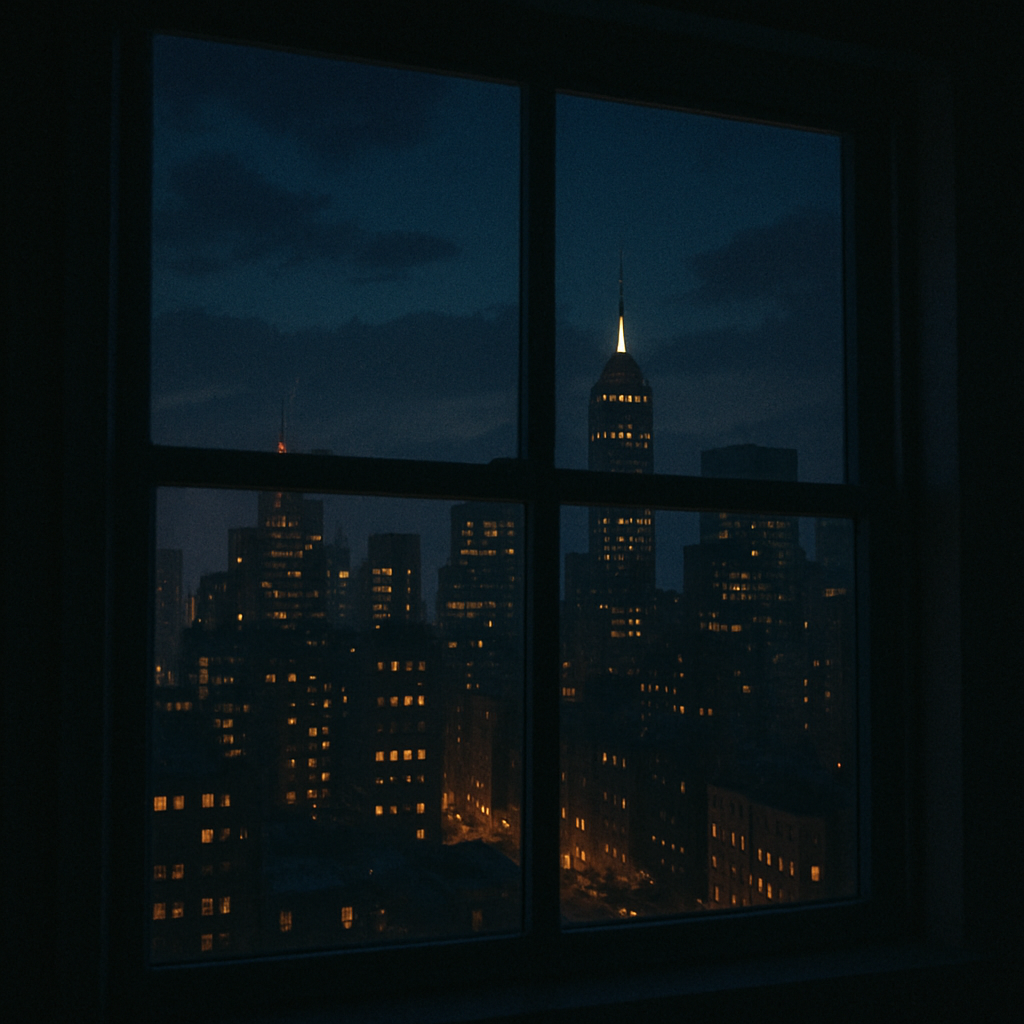
At night, the effectiveness of reflective films diminishes significantly. When interior lights are on, the inside becomes more visible from the outside. This is because the light inside is now stronger than the light outside, reversing the reflective effect.
Frosted films, however, maintain their privacy advantage as they do not rely on light conditions. They obscure visibility both day and night, offering consistent privacy.
Enhancing Nighttime Privacy
If nighttime privacy is a significant concern, consider the following solutions:
- Dual-Reflective Films: These films offer a reflective exterior and a less reflective interior, enhancing privacy during both day and night.
- Layering with Curtains or Blinds: For added privacy after dark, pairing window films with curtains or blinds provides an additional layer of security and privacy.
- Smart Glass Technology: While not a film, smart glass can switch between clear and opaque states, offering on-demand privacy with a flick of a switch.
Benefits of Window Films Beyond Privacy
While privacy is a major consideration, window films offer several other benefits that make them a worthwhile investment.
Energy Efficiency
Window films can significantly improve your home’s energy efficiency. They help regulate indoor temperatures by reducing heat gain during the summer and heat loss during the winter. This can lead to lower energy bills and a more comfortable living environment.
UV Protection

by Tavy (https://unsplash.com/@tavy)
Exposure to UV rays can cause damage to your skin and fade your furniture, flooring, and artwork. Window films block up to 99% of harmful UV rays, protecting both your health and your home’s interior.
Glare Reduction
Glare from the sun can be a nuisance, especially when watching TV or working on a computer. Window films help reduce glare, providing a more pleasant and productive environment.
Enhanced Security
Security films are thicker than standard films and can hold shattered glass together, making it harder for intruders to break in and reducing the risk of injury from broken glass.
Choosing the Right Window Film for Your Needs
When selecting window films for privacy and other benefits, consider the following factors:
- Purpose: Define your primary need. Is it privacy, energy efficiency, or UV protection?
- Location: Different areas of your home may require different types of films. For example, bathrooms might benefit more from frosted films, while living areas might need glare-reducing films.
- Aesthetic Preferences: Window films come in various styles and shades. Choose one that complements your interior design.
- Budget: Consider the cost of the films and installation. While films are generally cost-effective, some specialty films may have a higher price point.
- Professional Installation: For the best results, especially with complex installations, hiring a professional is recommended. They can ensure a perfect fit and finish.
Conclusion
Window films are a versatile and effective solution for enhancing privacy, improving energy efficiency, and protecting your home from UV damage. While reflective window films offer excellent privacy during the day, their effectiveness can be limited after dark. However, options like frosted films and dual-reflective films, along with complementary solutions like curtains or smart glass, can provide comprehensive privacy solutions around the clock.
By understanding the different types of window films and their benefits, you can make an informed decision that best suits your home’s needs and enhances your living space.