Window insulation film is a simple yet effective solution for improving the energy efficiency of your home. This thin, transparent layer can be applied directly to your windows, providing a barrier that helps to prevent heat loss in the winter and keeps your home cooler in the summer. As energy costs continue to rise, finding cost-effective methods to insulate your home has become increasingly important. Window insulation film offers a straightforward way to reduce energy consumption without the need for extensive renovations or expensive equipment.
In this guide, we’ll explore the benefits of window insulation film, how it works, and how to choose the right type for your needs. Understanding the options available and the specific advantages each type of film offers can help you make an informed decision that suits both your budget and your home’s unique requirements. Whether you are seeking to enhance your home’s energy efficiency, increase comfort, or improve the aesthetic appeal, this guide provides all the necessary insights.
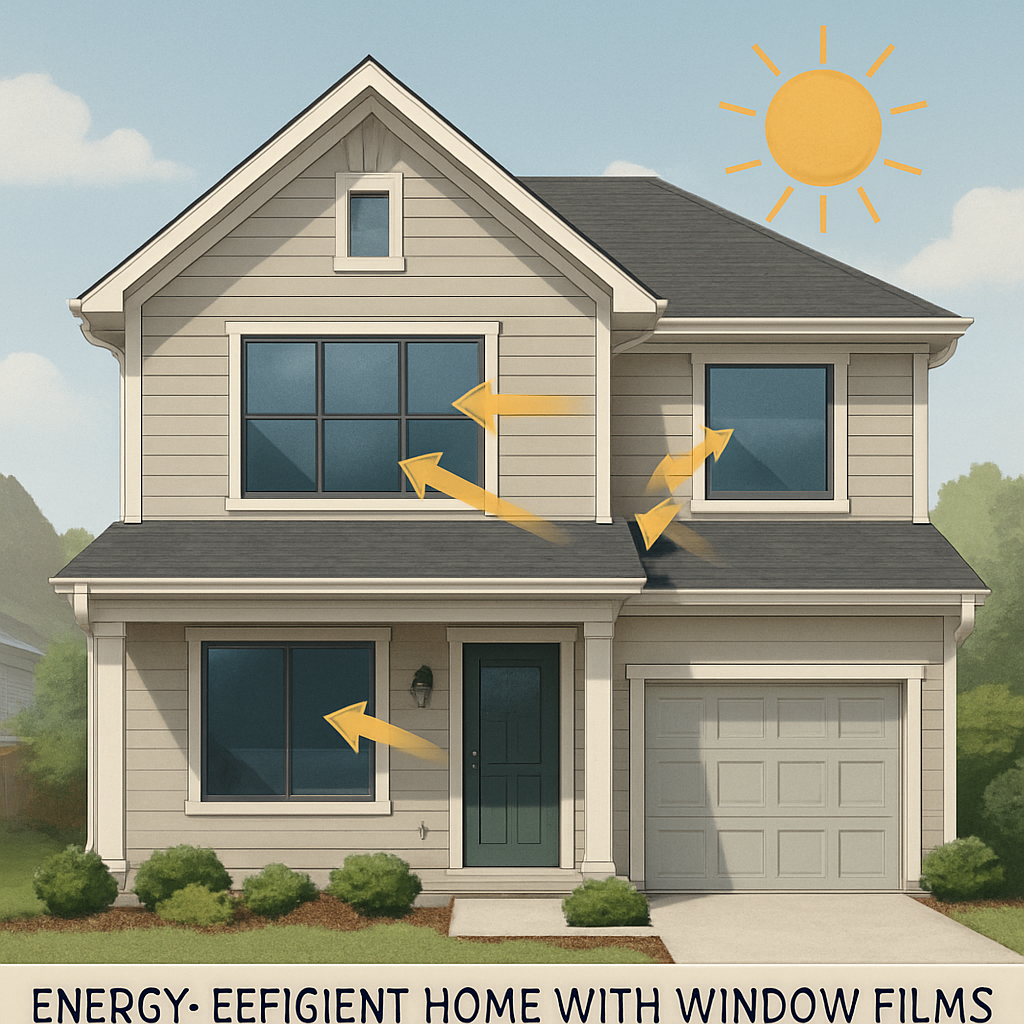
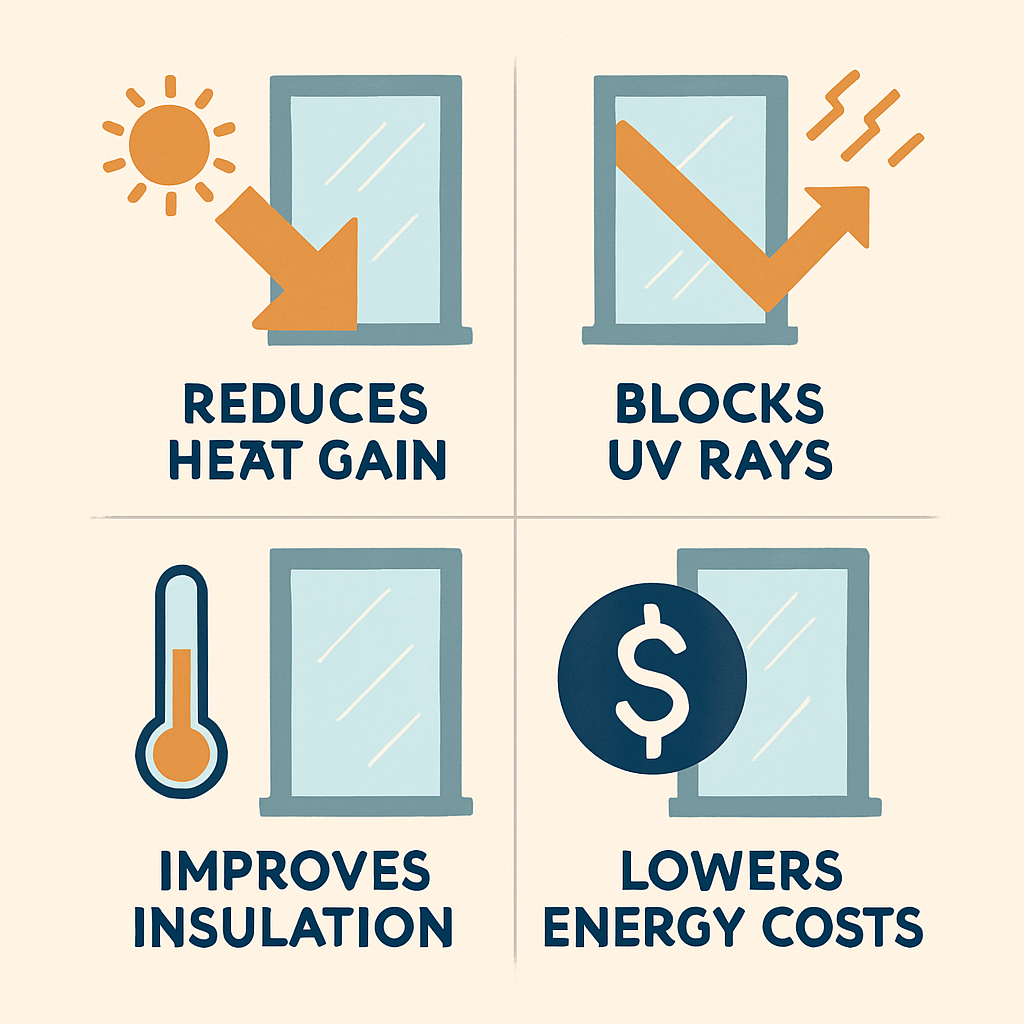
One of the primary advantages of window insulation film is its ability to improve the energy efficiency of your home. By reducing heat loss in the winter and minimizing heat gain in the summer, you can reduce your reliance on heating and cooling systems, leading to lower energy bills. This reduction in energy consumption not only saves money but also contributes to a smaller carbon footprint, making window insulation film an eco-friendly choice for environmentally conscious homeowners.
Additionally, the savings on energy bills can be substantial over time, often offsetting the initial cost of the film itself. Many homeowners find that the investment pays for itself within a few years, especially in climates with extreme temperatures. By maintaining a stable indoor climate, your HVAC system doesn’t have to work as hard, which can also extend the life of your heating and cooling equipment.
Window film can help maintain a more consistent temperature in your home, eliminating cold drafts and hot spots. This creates a more comfortable living environment for you and your family. The ability to control indoor temperatures more effectively means that each room in your home can be used comfortably throughout the year, regardless of the season.
Furthermore, by preventing cold air from seeping through windows during the winter and blocking excessive heat during the summer, window film can help alleviate issues such as condensation and frost buildup. This not only improves comfort but also protects your windows and window frames from potential damage caused by moisture.
Many window insulation films also offer UV protection, blocking up to 99% of harmful UV rays. This helps to protect your furniture, flooring, and artwork from fading, while also safeguarding your skin from UV exposure. The reduction in UV exposure can significantly extend the life of your interior furnishings, which can be a significant cost saving over time.
Moreover, protecting your skin from UV rays is equally important, especially for those who spend a lot of time near windows. By using window film with UV protection, you can enjoy the natural light without the associated risks of UV damage, offering peace of mind along with the benefits of an open, airy home.
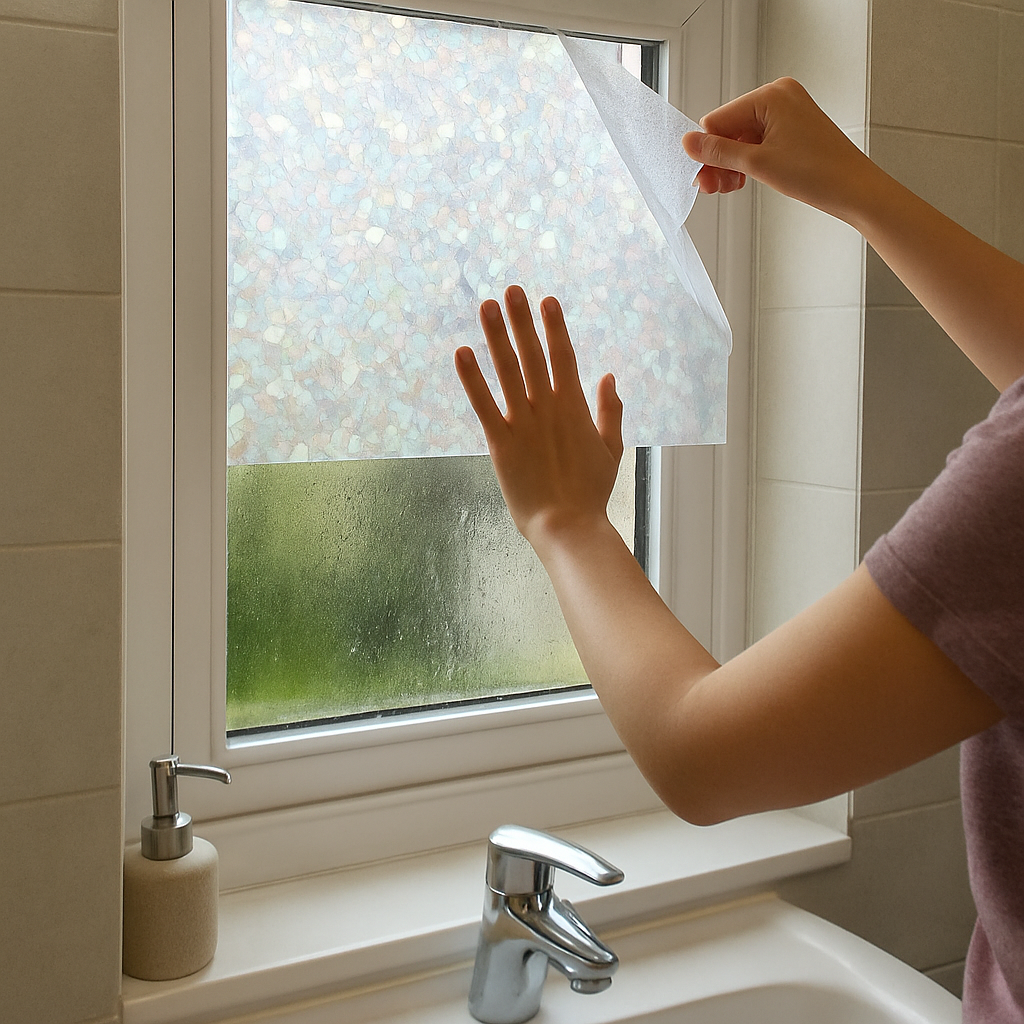
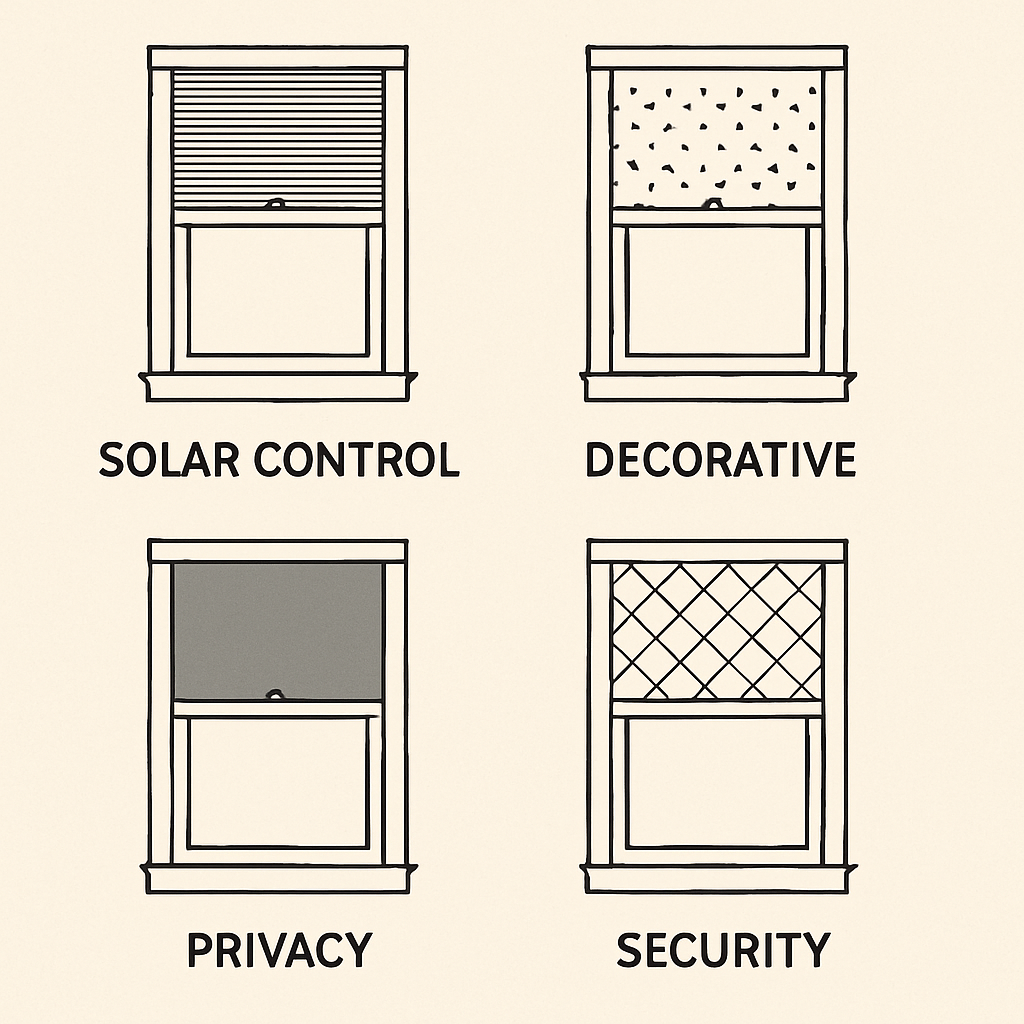
Some window films are designed to enhance privacy by making it difficult for outsiders to see into your home. These films are ideal for rooms facing streets or neighboring properties, where privacy is a concern. Additionally, security films can help hold glass together in the event of breakage, reducing the risk of injury from shattered glass.
Security films are particularly beneficial in areas prone to severe weather or in homes with children, as they provide an added layer of safety. By reinforcing your windows, these films can also act as a deterrent to potential intruders, adding an extra level of security to your home.
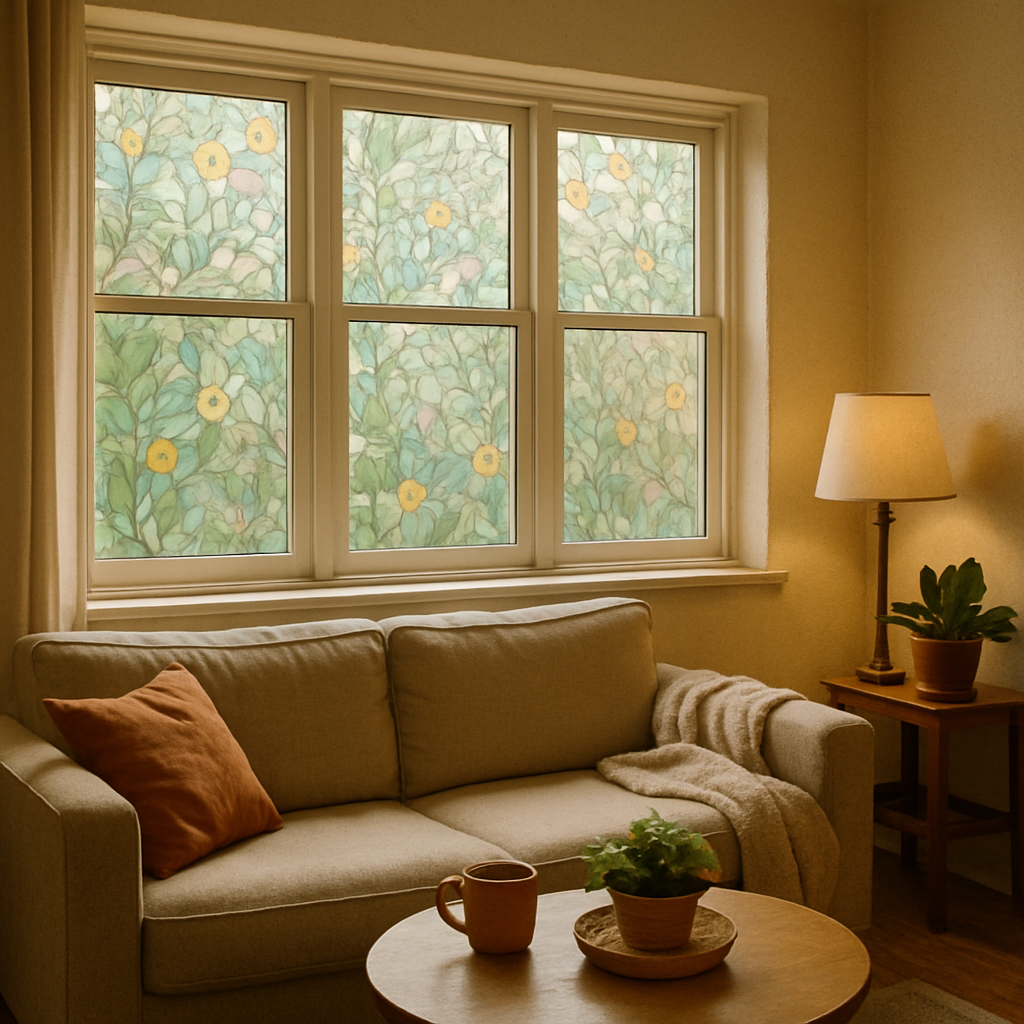
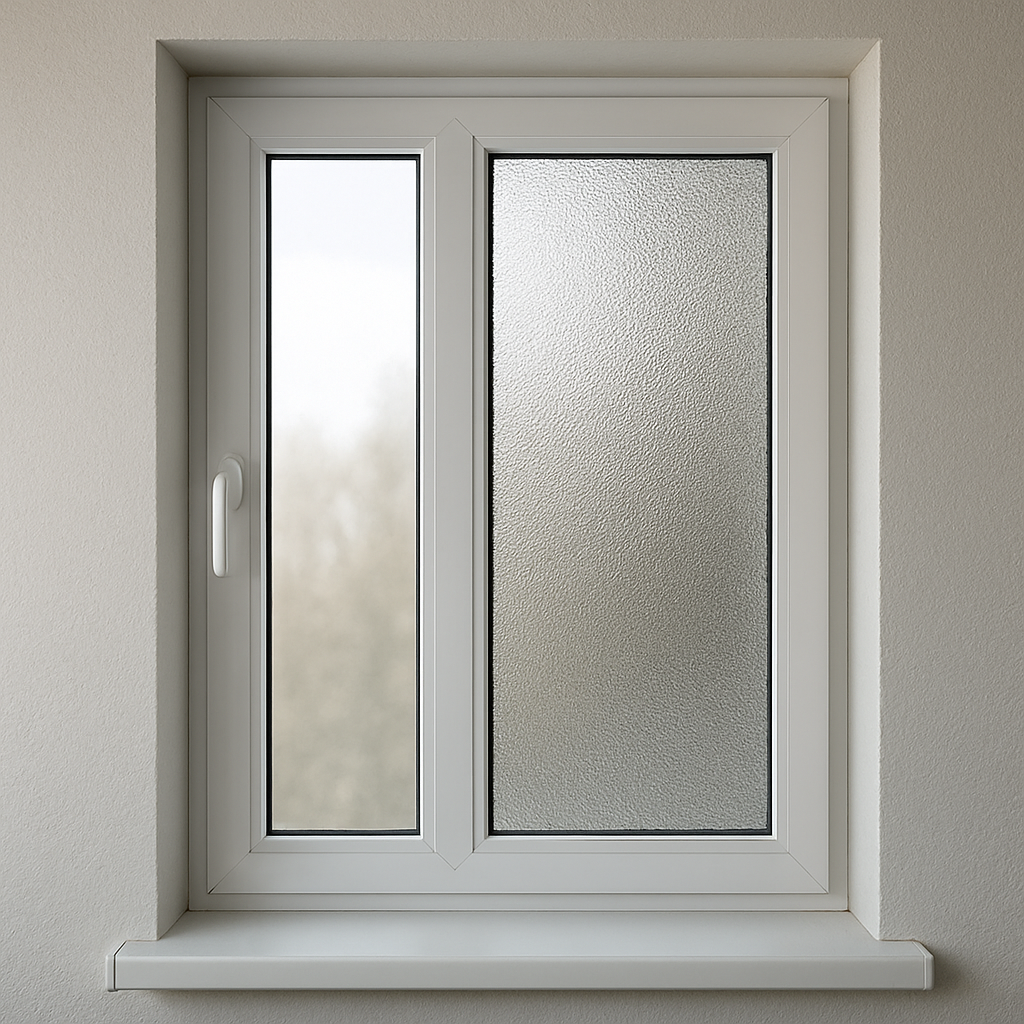
With a range of styles and finishes available, window film can also enhance the aesthetic appeal of your home. From frosted designs to reflective coatings, there are options to suit every taste and decor. Whether you prefer a minimalist look or a decorative pattern, window films can be customized to reflect your personal style while offering functional benefits.
Choosing the right design can also add a contemporary touch to your home’s exterior, improving curb appeal. This can be particularly advantageous if you are planning to sell your home, as it can make a positive impression on potential buyers.
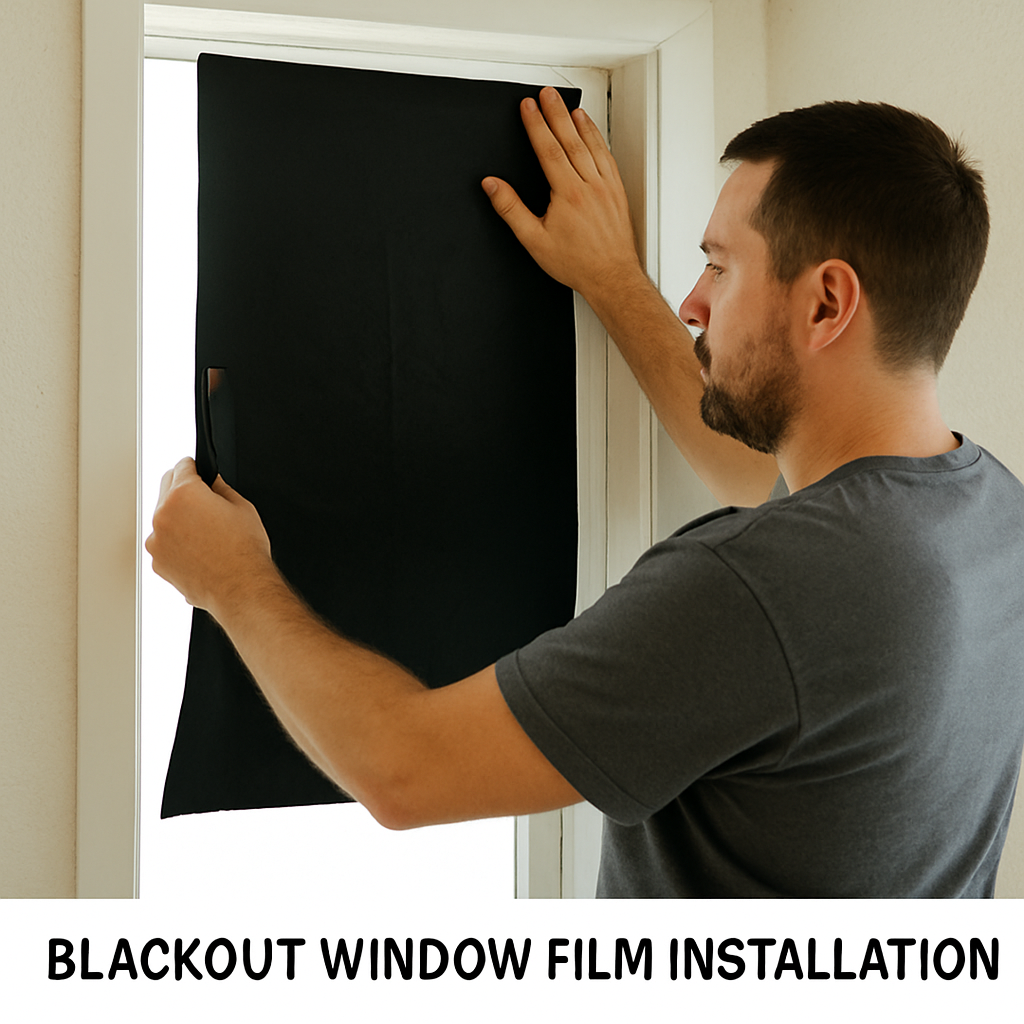
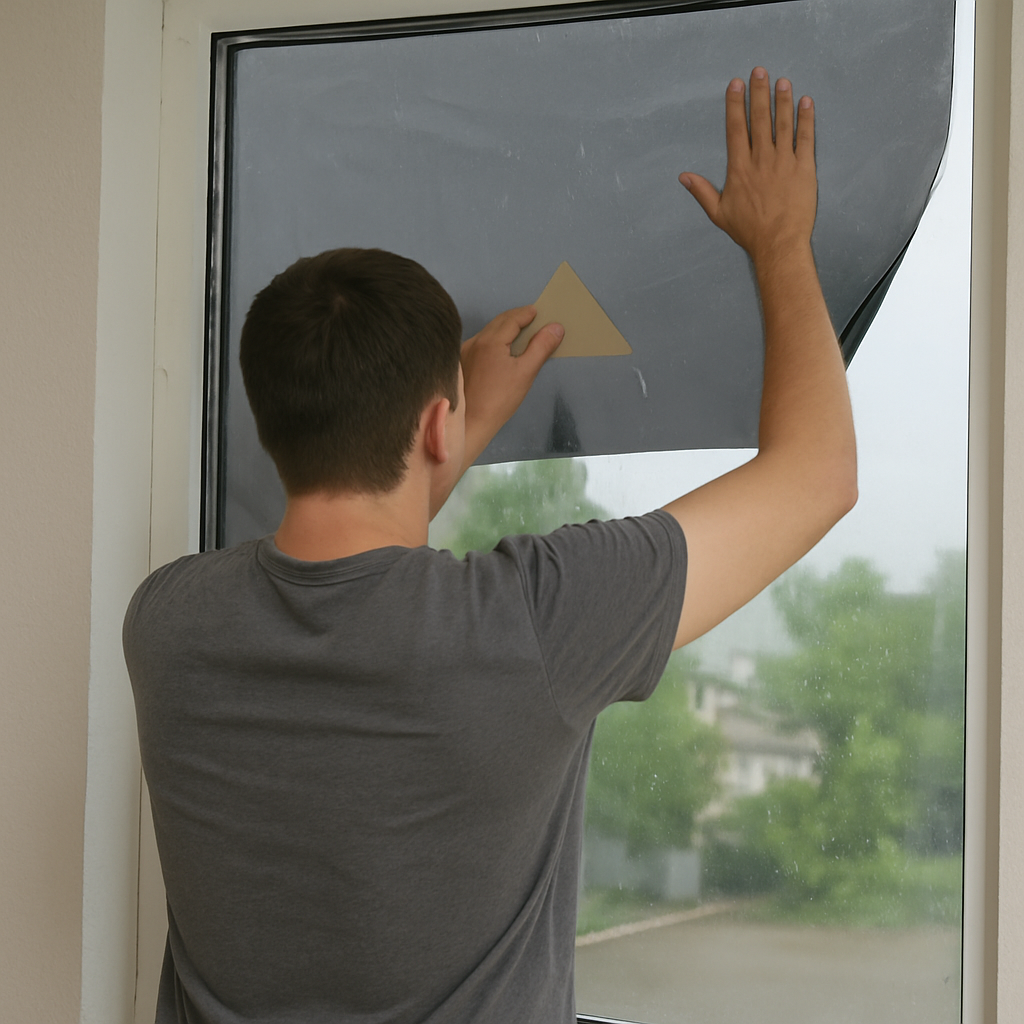
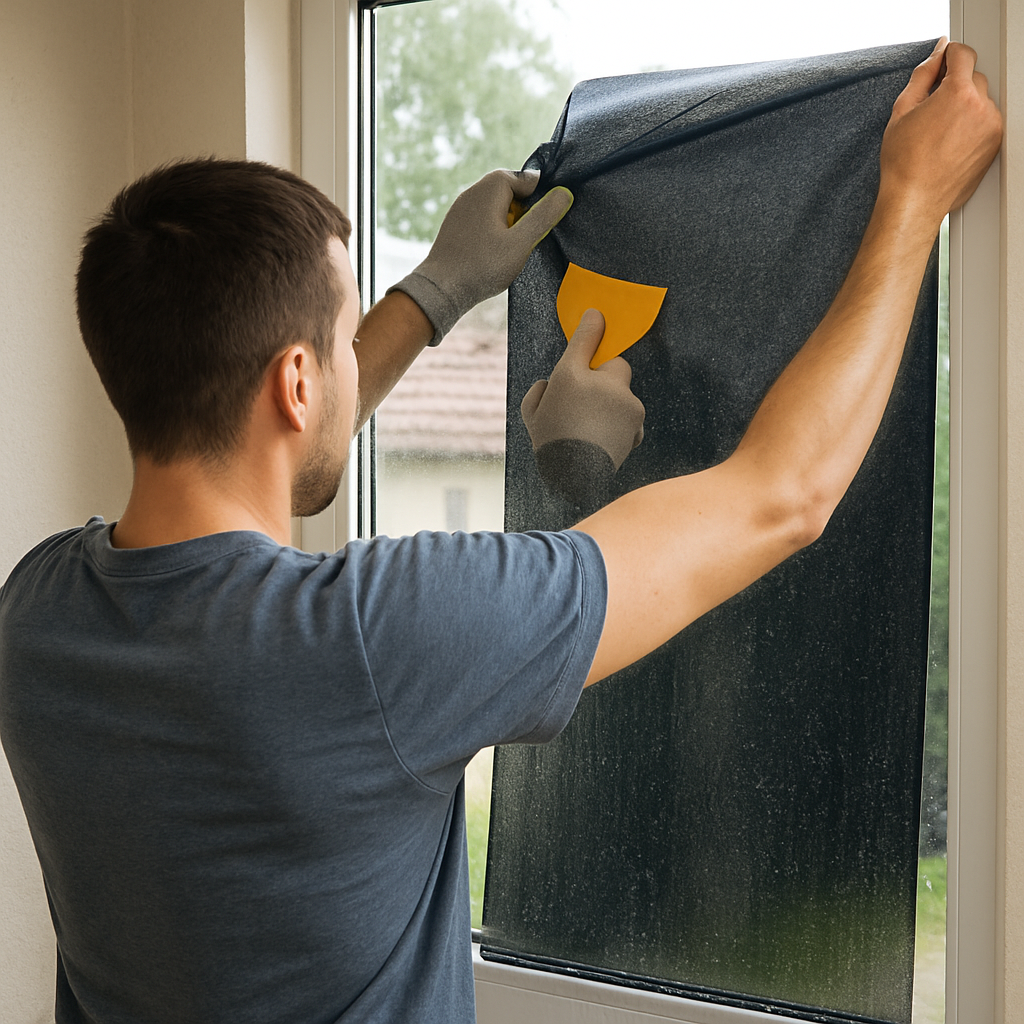
Window film is typically made from polyester or vinyl materials and is applied directly to the interior surface of your windows. It adheres to the glass using a special adhesive that ensures a secure, long-lasting bond. The installation process is generally straightforward, and the film can often be applied without the need to remove the window panes.
The film works by reflecting heat and sunlight away from your windows, reducing the amount of heat that enters or escapes from your home. This helps to maintain a more consistent indoor temperature, reducing the need for heating and cooling. In addition to temperature control, certain films are designed to reduce glare, improving visibility and comfort inside the home. This is particularly beneficial for rooms with a lot of natural light, such as living rooms and offices, where screen glare can be an issue.
When selecting window insulation film for your home, there are several factors to consider:
Consider the primary reason you want to install window film. Are you looking to improve energy efficiency, enhance privacy, or increase UV protection? Different films offer different levels of performance in these areas, so it’s important to choose a film that meets your specific needs. Some films are multipurpose, offering a combination of benefits, which might be ideal if you have multiple objectives.
It’s also worth considering any specific challenges your home faces. For instance, if you live in a particularly sunny area, UV protection might be a higher priority. Conversely, if privacy is a concern, you might prioritize films that obscure visibility without sacrificing natural light.
Visible Light Transmission refers to the amount of visible light that can pass through the film. Films with a high VLT will allow more natural light into your home, while those with a lower VLT will provide more privacy and glare reduction. The choice of VLT can also affect the overall ambiance of your home, influencing the mood and functionality of your spaces.
Balancing light transmission with privacy needs is key. A higher VLT might be preferred in areas where natural light is crucial, such as kitchens or living rooms, whereas a lower VLT might be more suitable for bedrooms or bathrooms where privacy is more important.
The Solar Heat Gain Coefficient measures how well a film blocks heat from the sun. A lower SHGC indicates better heat-blocking performance, making it ideal for hot climates. In cooler climates, a slightly higher SHGC might be more beneficial, as it allows some solar heat to enter, reducing heating demands in the winter.
Understanding your local climate and how it affects your home can help you choose a film with the appropriate SHGC. This ensures that your home remains comfortable throughout the year, regardless of external temperatures.
Look for films that offer high UV rejection rates to protect your interiors from fading and reduce UV exposure. Films with high UV rejection are particularly beneficial for homes with large windows or sunrooms, where exposure to sunlight is more intense.
The level of UV rejection needed can vary depending on the amount of direct sunlight your windows receive. For homes with southern exposure, higher UV rejection rates are recommended to provide maximum protection.
Choose a film that complements your home’s decor. Whether you prefer a clear film that maintains the look of your windows or a decorative film that adds style and privacy, there are options to suit every taste. Consider the existing design elements in your home and how different films might enhance or clash with these styles.
Decorative films can also be a creative way to personalize your space, adding unique patterns or colors that reflect your personality. This customization can transform ordinary windows into a focal point of your interior design.
While some homeowners may choose to install window film themselves, hiring a professional can ensure a flawless finish and maximize the performance of the film. Here’s what to expect during the installation process:
- Preparation: The window surface is thoroughly cleaned to remove any dust, dirt, or debris. This ensures the adhesive bonds properly to the glass. Proper preparation is crucial, as any residual particles can create bubbles or imperfections in the film.
- Measurement and Cutting: The film is carefully measured and cut to fit each window precisely. Accurate measurements are vital to prevent gaps or overlaps that could compromise the film’s performance.
- Application: The film is applied to the window using a special adhesive. A squeegee is used to remove any air bubbles and ensure a smooth, even finish. This step requires precision to avoid wrinkles and ensure a clear, professional look.
- Trimming: The edges of the film are trimmed to fit the window perfectly. This ensures a neat appearance and prevents peeling or lifting at the edges.
- Curing: The adhesive needs time to cure, which can take several days depending on the type of film and environmental conditions. During this time, it’s important to avoid cleaning or disturbing the film to ensure a strong bond.
While DIY installation kits are available, professional installation is recommended for the best results. Professionals have the experience and tools necessary to ensure a seamless application, and many offer warranties on their work. A professional installation often guarantees that the film performs optimally and lasts longer, providing peace of mind.
DIY installation can be a rewarding project for those with a knack for home improvements. However, it requires careful attention to detail and patience to achieve a professional-looking finish. If you’re confident in your skills and want to save on labor costs, DIY might be a viable option.
Once your window film is installed, proper maintenance will help extend its lifespan and maintain its appearance:
- Cleaning: Use a soft cloth and a mild, non-abrasive cleaner to clean your windows. Avoid using ammonia-based cleaners, as they can damage the film. Regular cleaning helps maintain clarity and prevent the buildup of dirt or grime.
- Inspection: Regularly inspect the film for any signs of peeling, bubbling, or damage. Prompt repairs can prevent further issues and prolong the life of the film. Early detection of problems can save you the cost of full replacement and ensure ongoing protection.
- Avoid Sharp Objects: Be careful not to scratch the film with sharp objects or abrasive materials. Even small scratches can affect the film’s appearance and performance, so handle with care.
Window insulation film is an excellent investment for homeowners looking to enhance energy efficiency, improve comfort, and protect their interiors. By understanding the different types of films available and choosing the right one for your needs, you can enjoy the many benefits that window film has to offer. The right film can transform your living space, offering savings, comfort, and style in equal measure.
Whether you opt for a DIY installation or hire a professional, window film provides a cost-effective solution for enhancing the comfort and efficiency of your home. By following these tips and advice, you’ll be well on your way to a more comfortable, energy-efficient home. Invest in window insulation film today and start enjoying the benefits!
With the right approach and maintenance, window insulation film can be a durable addition to your home, providing long-lasting benefits. Consider your specific needs, and choose a film that aligns with your goals for energy efficiency, comfort, and aesthetics. The investment you make today will continue to pay off for years to come, enhancing your living environment in multiple ways.