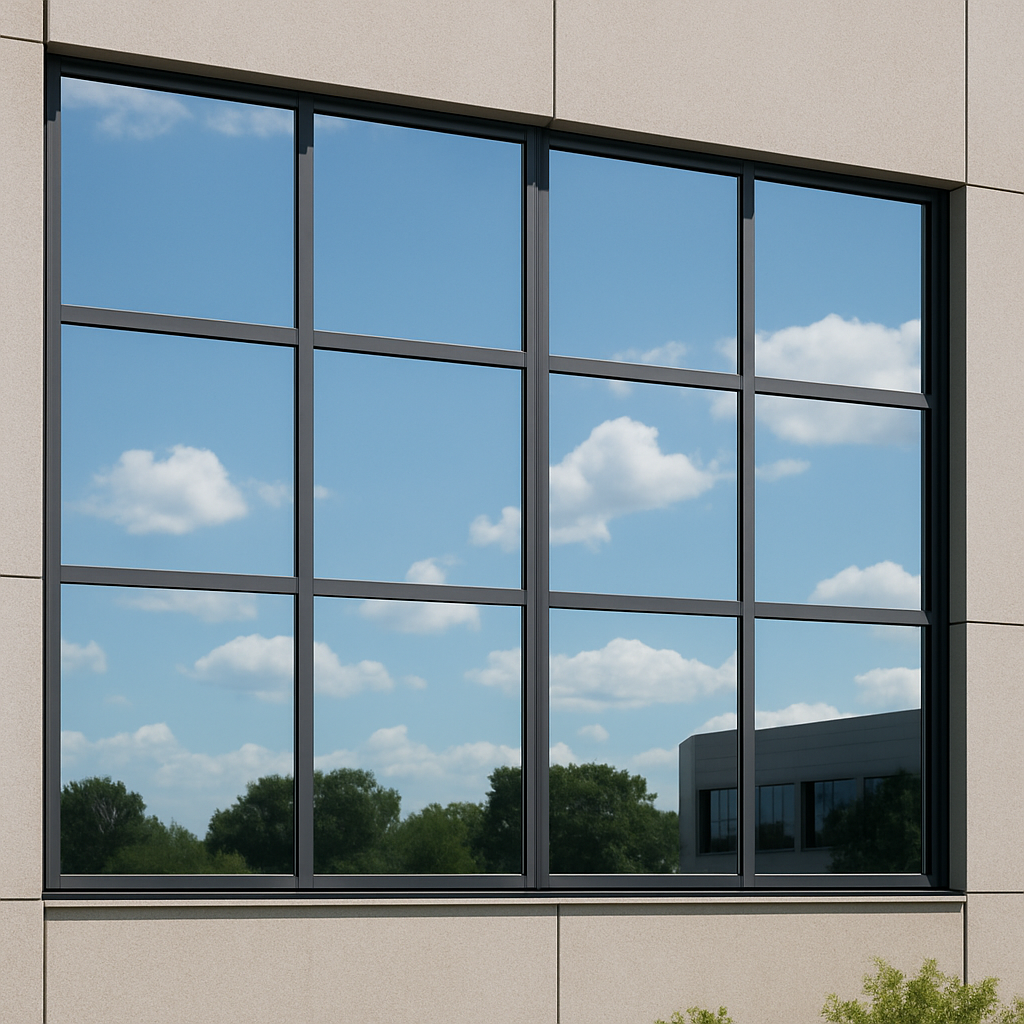
When it comes to enhancing the comfort and efficiency of your home, heat reflective window film can be a game-changer. This innovative solution not only helps in regulating indoor temperatures but also contributes to energy savings, offering a practical and stylish option for homeowners and interior designers alike. In this article, we will explore the various benefits of heat reflective window film, its installation process, and how it can serve as an effective tool in home improvement.
Understanding Heat Reflective Window Film
Heat reflective window film, also known as solar control film, is designed to reflect a significant portion of solar heat and reduce glare. This type of film is applied to the interior of windows and works by reflecting the sun’s rays away from the glass surface, thereby reducing the amount of heat that enters a room.
Key Benefits
- Energy Efficiency: By reflecting solar heat, this film reduces the need for air conditioning, thereby lowering energy bills.
- UV Protection: It blocks up to 99% of harmful UV rays, protecting your furniture, flooring, and fabrics from fading.
- Glare Reduction: It minimizes glare on screens, making it easier to watch television or work on computers.
- Privacy and Security: Some films offer enhanced privacy by making it harder for outsiders to see inside, while also providing a level of shatter resistance for added security.
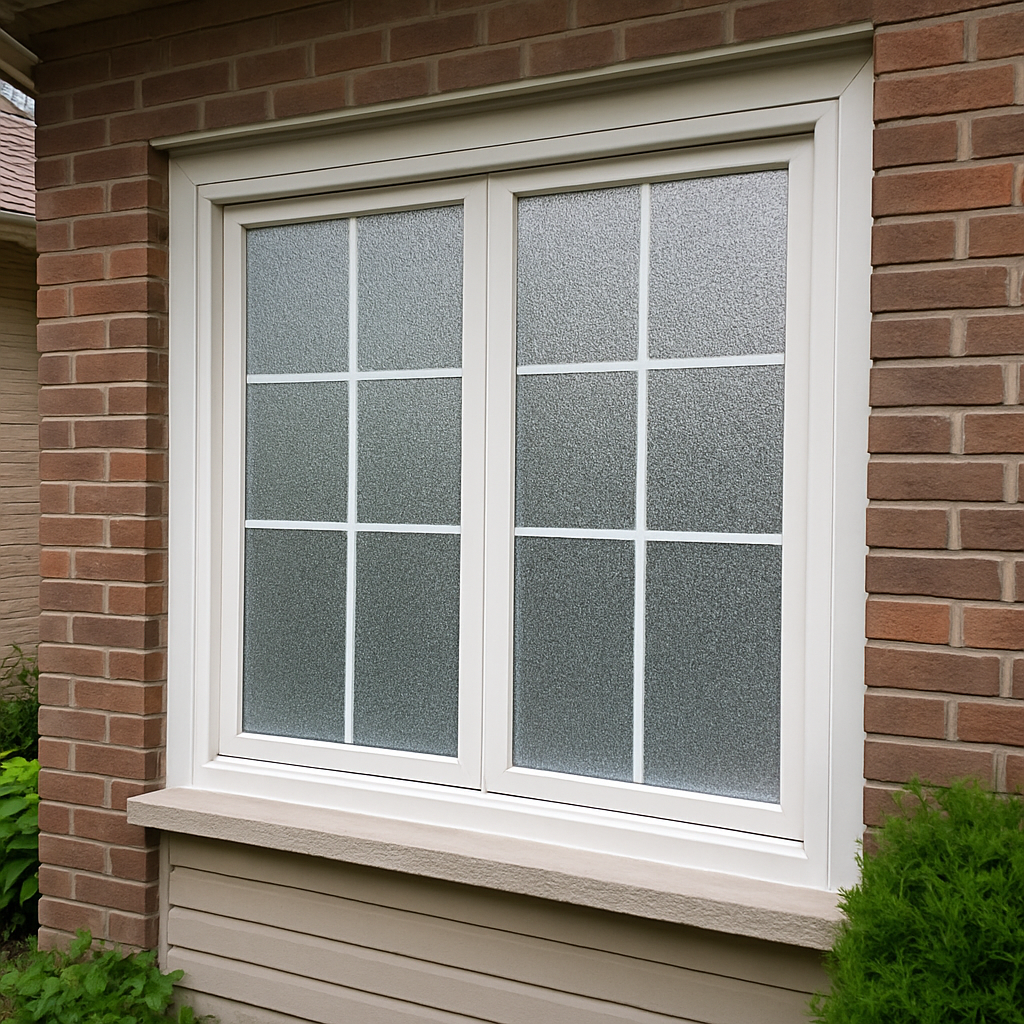
Window Insulation Film: A Complementary Solution
While heat reflective window film focuses on reducing heat and glare, window insulation film primarily targets enhancing thermal insulation. This type of film is especially beneficial during colder months as it helps in retaining indoor heat.
Advantages of Window Insulation Film
- Improved Insulation: It adds an extra layer of insulation to windows, reducing heat loss and keeping your home warm during winter.
- Cost Savings: By enhancing insulation, it reduces heating costs, providing savings on energy bills.
- Easy Installation: Most insulation films are designed for easy DIY installation, making it an accessible option for homeowners.
Choosing the Right Film for Your Needs
When selecting a window film, consider your specific needs and the benefits you prioritize. Here are some factors to keep in mind:
Climate Considerations
If you live in a hot climate, heat reflective window film might be your top choice due to its ability to significantly reduce heat. Conversely, if you’re in a colder region, window insulation film might be more beneficial for retaining warmth.
Privacy Needs
If privacy is a primary concern, consider a privacy window film. This type of film is available in various patterns and opacities, allowing you to choose the level of privacy that suits your needs.
Aesthetic Preferences
Window films come in a variety of styles and finishes. Whether you prefer a subtle tint or a decorative pattern, there’s a film that can complement your interior design while providing the functional benefits you need.
Installation Process
Installing window film is a straightforward process, but it requires precision to ensure a smooth and bubble-free finish. Here’s a step-by-step guide:
Preparation
- Clean the Windows: Thoroughly clean the glass surface to remove any dirt, dust, or residue. A clean surface ensures better adhesion of the film.
- Measure and Cut: Measure your windows accurately and cut the film to size, leaving an extra inch on all sides to allow for adjustments during installation.
Application
- Wet the Surface: Use a spray bottle filled with soapy water to wet the glass. This helps in repositioning the film during application.
- Apply the Film: Peel the backing from the film and carefully apply it to the wet window surface. Start from the top and work your way down, smoothing out air bubbles with a squeegee.
- Trim the Excess: Once the film is securely in place, trim the excess from the edges using a utility knife.
Final Touches
- Smooth Out: Use the squeegee to ensure all bubbles are removed and the film is firmly adhered to the glass.
- Drying Time: Allow the film to dry completely, which can take a few days depending on the climate.

by Duc Van (https://unsplash.com/@duke91)
Maintenance and Care
Caring for your window film is simple. Use a soft cloth and mild soapy water for regular cleaning. Avoid abrasive materials or ammonia-based cleaners, as they can damage the film.
Conclusion
Heat reflective window film is a versatile and cost-effective solution for enhancing your home’s comfort and efficiency. Whether you’re looking to reduce energy bills, protect against UV rays, or add a layer of privacy, the right window film can meet your needs. By choosing a film that aligns with your climate and aesthetic preferences, you can enjoy a more comfortable and stylish living space. For interior designers, these films offer an eco-friendly option that complements various design styles while delivering practical benefits to clients. As a trusted expert in home improvement solutions, I encourage you to explore the possibilities of window film and transform your space with this innovative product.