Properly maintaining your window films ensures they remain in pristine condition, enhancing both the aesthetics and efficiency of your living spaces. Whether you’re an interior designer looking to keep your installations looking fresh or a homeowner seeking to preserve your investment, understanding the right cleaning techniques is crucial. In this article, we’ll explore the best practices to clean window films without causing damage.
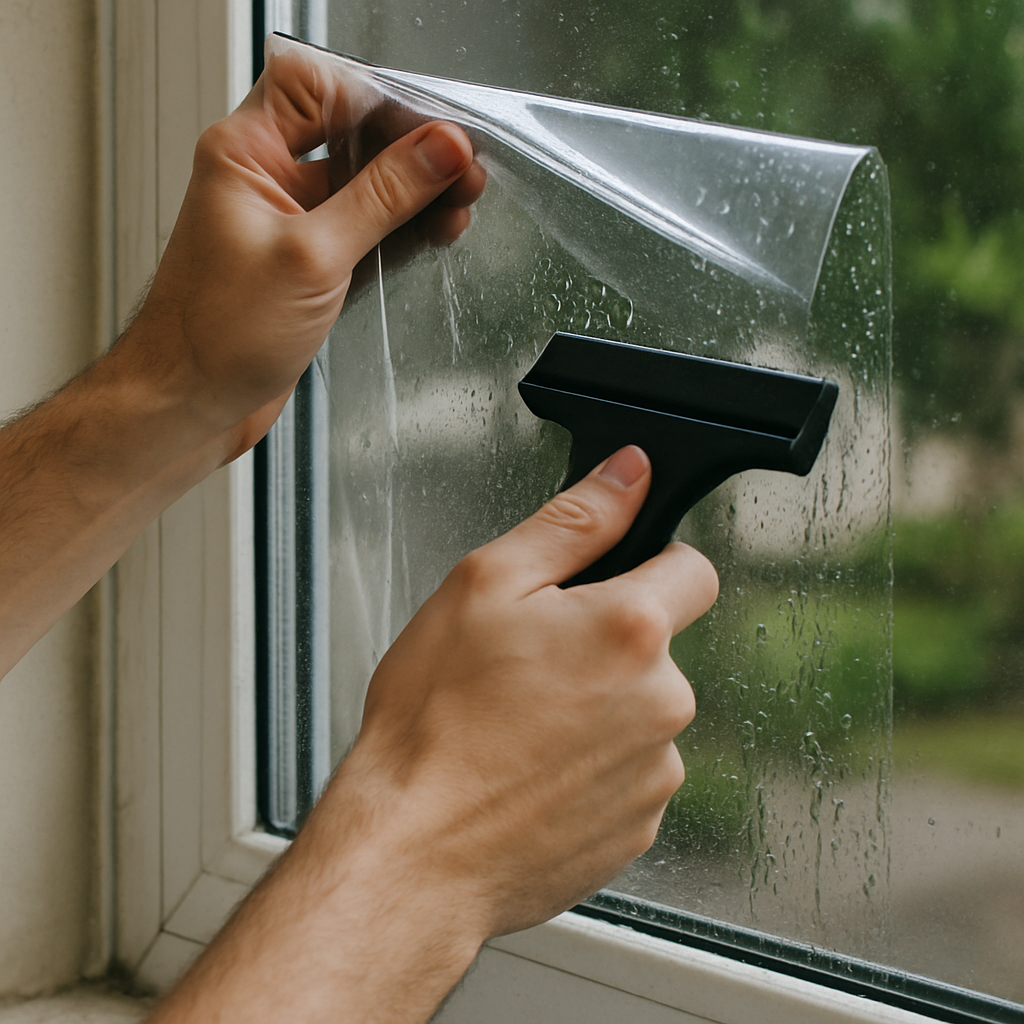
Window films are versatile, offering benefits like UV protection, privacy, and energy efficiency. However, improper cleaning can lead to scratches, discoloration, or peeling. Therefore, knowing what your window film can withstand will help you clean it effectively.
Types of Window Films
Before diving into the cleaning techniques, it’s important to understand the types of window films you might encounter:
- Dyed Films: These provide privacy and reduce glare but can fade over time.
- Metalized Films: Known for their reflective properties, they offer excellent heat rejection.
- Ceramic Films: These are non-reflective and provide high clarity, making them a favorite for those seeking both aesthetics and performance.
Essential Cleaning Supplies
To clean your window films properly, you’ll need the right tools. Here’s what you should gather:
- A soft microfiber cloth or sponge
- Mild, ammonia-free cleaning solution
- A spray bottle
- Squeegee with a soft edge
- Distilled water (if your tap water is hard)
Why Avoid Ammonia?
Ammonia-based cleaners can damage the film by causing discoloration or peeling. It’s best to use a cleaner specifically labeled for window films or simply mix a mild dish soap with water.
Step-by-Step Cleaning Process

Following a systematic approach will ensure you clean your window films effectively without causing damage. Here’s a step-by-step guide:
Step 1: Dust the Surface
Begin by gently dusting the window film surface with a dry microfiber cloth to remove loose dirt and debris. This prevents scratching during the wet cleaning process.
Step 2: Prepare the Cleaning Solution
Mix a few drops of mild dish soap with distilled water in a spray bottle. Ensure the solution is well combined.
Step 3: Apply the Solution
Spray the cleaning solution onto the window film. Avoid soaking the film; a light mist is sufficient.
Step 4: Wipe with Care
Using a soft microfiber cloth or sponge, gently wipe the surface in a vertical motion. This helps avoid streaks and ensures even cleaning.
Step 5: Squeegee Excess Liquid
Use a soft-edged squeegee to remove excess liquid from the film surface. Start at the top and work your way down, wiping the squeegee blade with a clean cloth after each pass.
Step 6: Final Buff
Finish by lightly buffing the film with a dry microfiber cloth to remove any remaining moisture and prevent streaks.
Maintenance Tips for Longevity

by Derek Lee (https://unsplash.com/@derekleej)
Regular maintenance not only keeps your window films looking great but also extends their life. Here are some tips to help:
- Regular Dusting: Dust the films regularly to prevent buildup that can scratch the surface.
- Avoid Abrasive Materials: Steer clear of abrasive sponges or cloths that can scratch the film.
- Use Soft Water: If your tap water is hard, use distilled water to prevent mineral deposits.
Troubleshooting Common Issues
Despite your best efforts, you might encounter some common issues with window films. Here’s how to address them:
Streaks and Smudges
If streaks persist after cleaning, ensure you’re using a clean, dry cloth for buffing. Also, check that your cleaning solution is well-balanced and free of excess soap.
Peeling Edges
Peeling may occur if the film is exposed to excessive moisture. Ensure windows are properly sealed and avoid over-saturating the film during cleaning.
Fading or Discoloration
Fading is more common with dyed films. To minimize this, use window coverings or blinds to reduce sun exposure when not needed.
Conclusion
Cleaning your window films correctly is essential to maintain their appearance and effectiveness. By using the right tools and techniques, you can ensure your window films remain a stylish and functional part of your interior design.
Proper maintenance not only enhances the longevity of your window films but also ensures they continue to provide the benefits you rely on. Whether you’re an interior designer or a homeowner, these cleaning strategies will keep your window films looking as good as new.