When it comes to enhancing the aesthetics and energy efficiency of your living spaces, window tinting is an excellent choice. Whether you’re looking to improve the look of your car or your home, window tinting offers a versatile solution. In this article, we’ll explore some real-world tips for window tinting services that can help you make the most of this innovative home improvement solution.
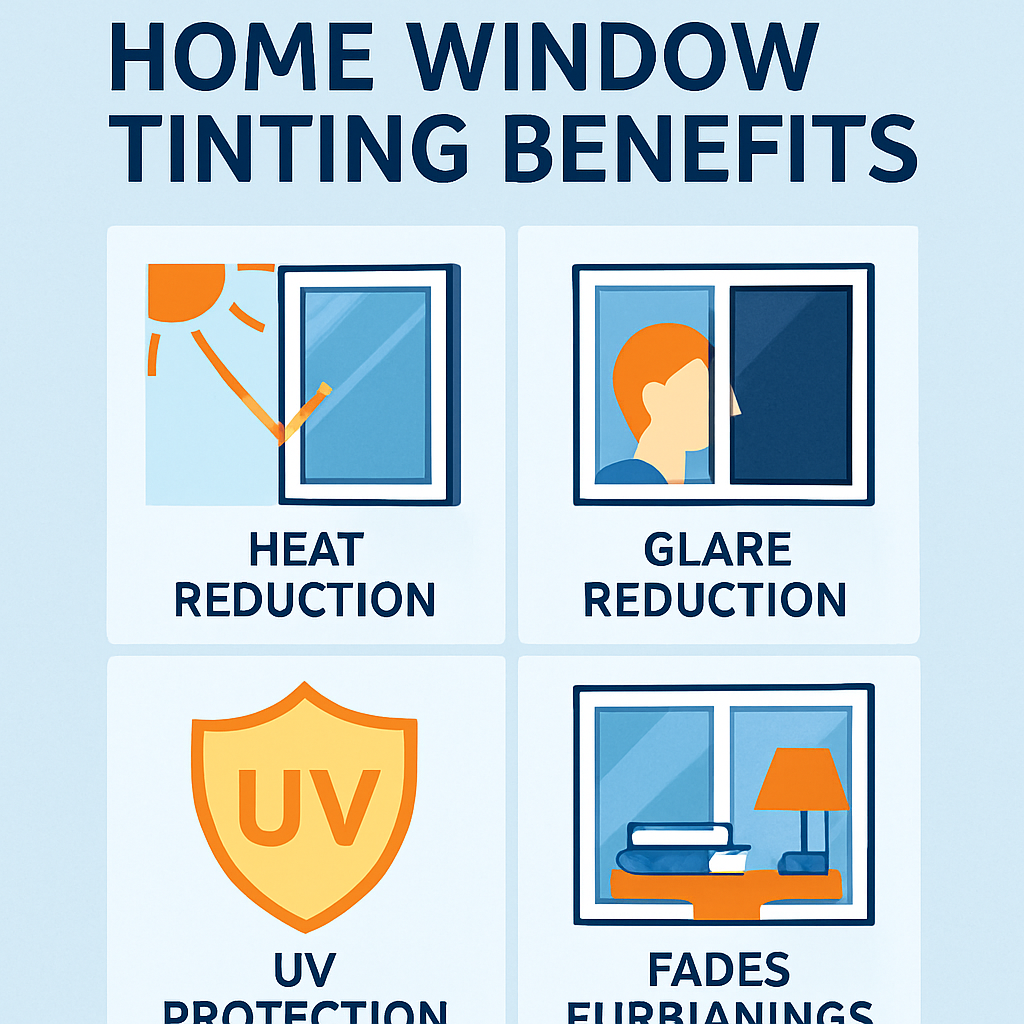
Before diving into tips, it’s important to understand why window tinting is beneficial. Window tinting offers several advantages:
- Energy Efficiency: Tinted windows reduce heat gain in the summer and heat loss in the winter, leading to significant energy savings. According to the U.S. Department of Energy, properly selected window coverings and films can significantly improve a home’s energy performance.
- UV Protection: Window tints block harmful UV rays, protecting your skin and preventing furniture and carpets from fading. The Skin Cancer Foundation also recognizes window film as an effective way to reduce UV exposure indoors.
- Privacy and Security: Tinted windows offer increased privacy and can deter potential break-ins by making it harder to see inside.
- Aesthetic Appeal: With a variety of shades and styles available, window tinting can enhance the look of your home or vehicle.
Selecting the Right Tint for Your Needs
Choosing the right tint for your windows is crucial. Here are some factors to consider:
Purpose of Tinting
Determine whether you are tinting for privacy, aesthetics, or energy efficiency. For instance, a darker tint may be more suitable for privacy, while a lighter tint can improve energy efficiency without compromising on natural light.
Local Regulations
Check local laws and regulations regarding window tinting, especially for vehicles. Some areas have restrictions on the darkness of tints you can use.
Quality of Film
Invest in high-quality window film. Cheap films may peel, bubble, or discolor over time. Look for films with a warranty for added peace of mind.
DIY vs. Professional Installation
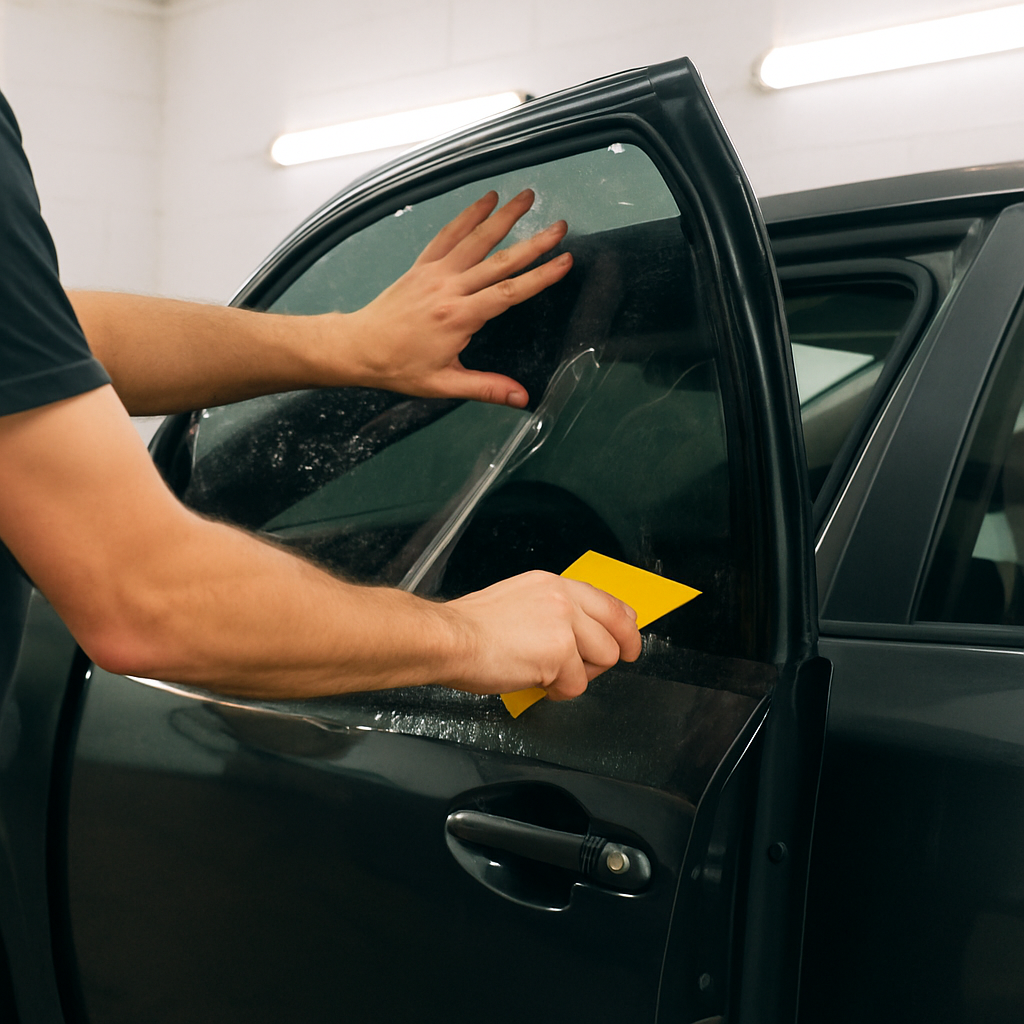
Deciding between doing it yourself or hiring a professional can impact the quality of your window tinting. If you’re unsure which route to take, this guide on DIY vs. professional installation can help you weigh your options.
DIY Installation
- Pros: Cost-effective and flexible timing.
- Cons: Requires precision, patience, and the right tools. Mistakes can be costly in the long run.
Professional Installation
- Pros: Guaranteed quality and expert finish. Professionals have access to better materials and tools.
- Cons: Higher upfront cost.
For most, professional installation is recommended, especially for larger projects like home window tinting, to ensure a flawless finish.
Tips for Home Window Tinting
Home window tinting can transform your living space. Here are some practical tips:
Choose the Right Time
Install window film during cooler months or early in the morning. This helps the adhesive cure properly and prevents bubbling.
Clean Thoroughly
Before applying tint, ensure windows are thoroughly cleaned to remove dust, grime, and any other particles that might affect adhesion.
Consider Layering
For added benefits, consider layering different types of tints. For example, a reflective film can be layered with a decorative film for both aesthetic and functional purposes.
Tips for Car Window Tinting
Tinting your car windows not only enhances its look but also provides protection. Here are some tips specific to car window tinting:
Be Mindful of Visibility

by Teo Zac (https://unsplash.com/@teo)
Ensure your tint doesn’t obstruct your view, especially at night. Safety should always be your top priority.
Allow Ample Drying Time
After installation, avoid rolling down windows for at least a few days to allow the tint to set and cure completely.
Regular Maintenance
Keep your tints looking new by using non-abrasive cleaners and soft cloths. Avoid ammonia-based cleaners as they can damage the tint.
Addressing Common Concerns
Will Tinting Damage My Windows?
Properly installed window tinting should not damage your windows. Professional installation minimizes the risk of scratches and bubbles.
How Long Does Window Tint Last?
High-quality window tint can last for several years with proper care. Most professional installations come with warranties that cover common issues.
Can I Tint Old Windows?
Yes, you can tint old windows. However, ensure they are in good condition and free of cracks or damage before applying the film.
Final Thoughts on Window Tinting
Window tinting is a versatile and effective way to enhance both the functionality and aesthetics of your windows. Whether for your home or car, it’s important to consider your specific needs, local regulations, and the quality of materials when choosing window tinting solutions.
By following these real-world tips, you can ensure a successful window tinting project that meets your goals and stands the test of time. Whether you choose to DIY or hire a professional, window tinting can provide a significant return on investment through energy savings, UV protection, and enhanced privacy. So, take the time to plan your project and enjoy the myriad benefits that window tinting can bring to your living spaces.