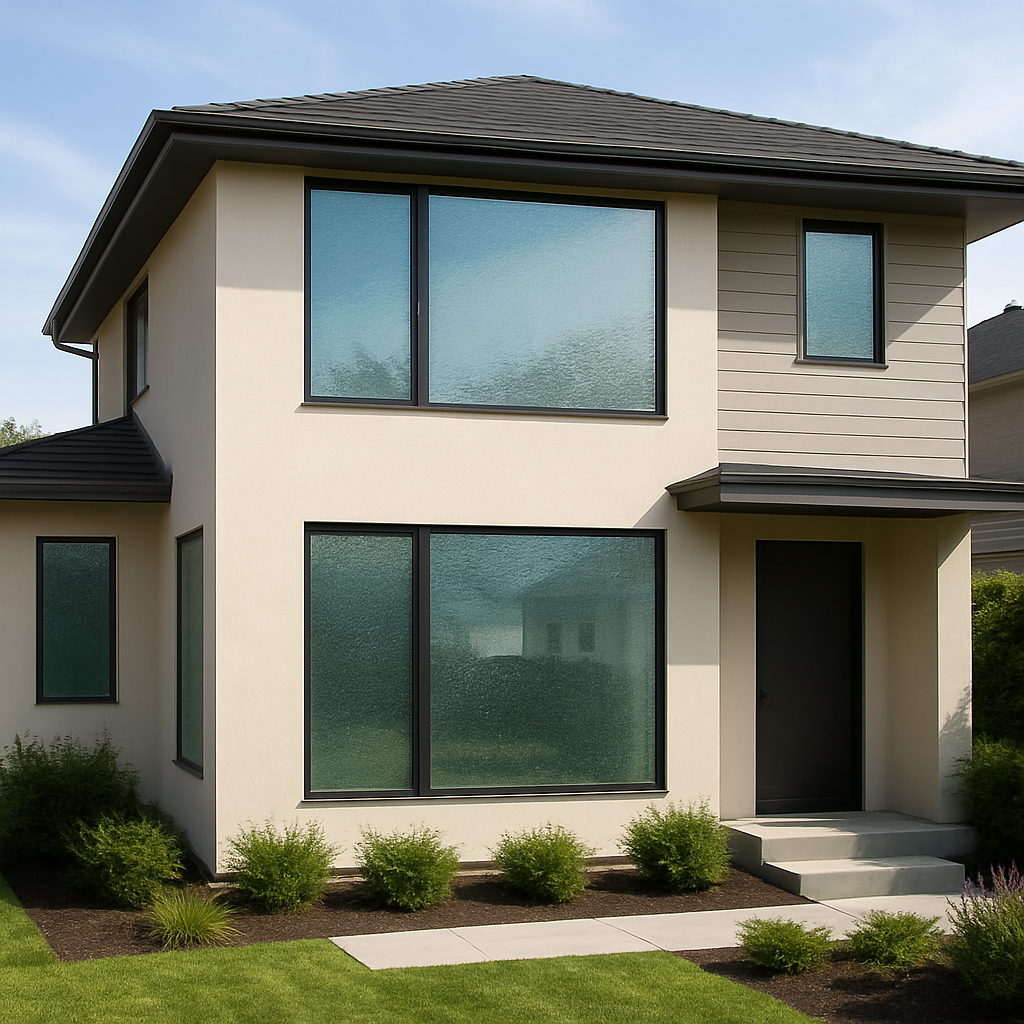
When it comes to enhancing your home’s comfort and energy efficiency, window films are a smart upgrade. They offer a range of benefits, from reducing heat and glare to protecting your interiors from UV damage. This article will guide you through selecting the best home window film for heat rejection and explain why this investment is worthwhile for any homeowner seeking to improve their living space.
Window films are thin layers of polyester or laminate that adhere to your windows. They come in various types, including those designed for heat rejection, privacy, security, or decorative purposes. For homeowners focusing on energy efficiency, window films specifically designed for heat rejection are the most beneficial.
Key Benefits of Window Films
- Heat Reduction: These films can reject up to 78% of the sun’s heat, helping to maintain a cooler indoor temperature without over-relying on air conditioning.
- Energy Savings: By keeping interiors cooler, window films can reduce your energy bills by decreasing the need for cooling.
- UV Protection: They block up to 99% of harmful UV rays, protecting your furniture, floors, and artwork from fading.
- Glare Reduction: Window films minimize glare from the sun, enhancing comfort and reducing eye strain.
- Enhanced Privacy and Security: Some films offer additional privacy by making it harder to see inside your home, while others can help hold shattered glass together, adding a layer of security.
Choosing the Best Home Window Film for Heat Rejection
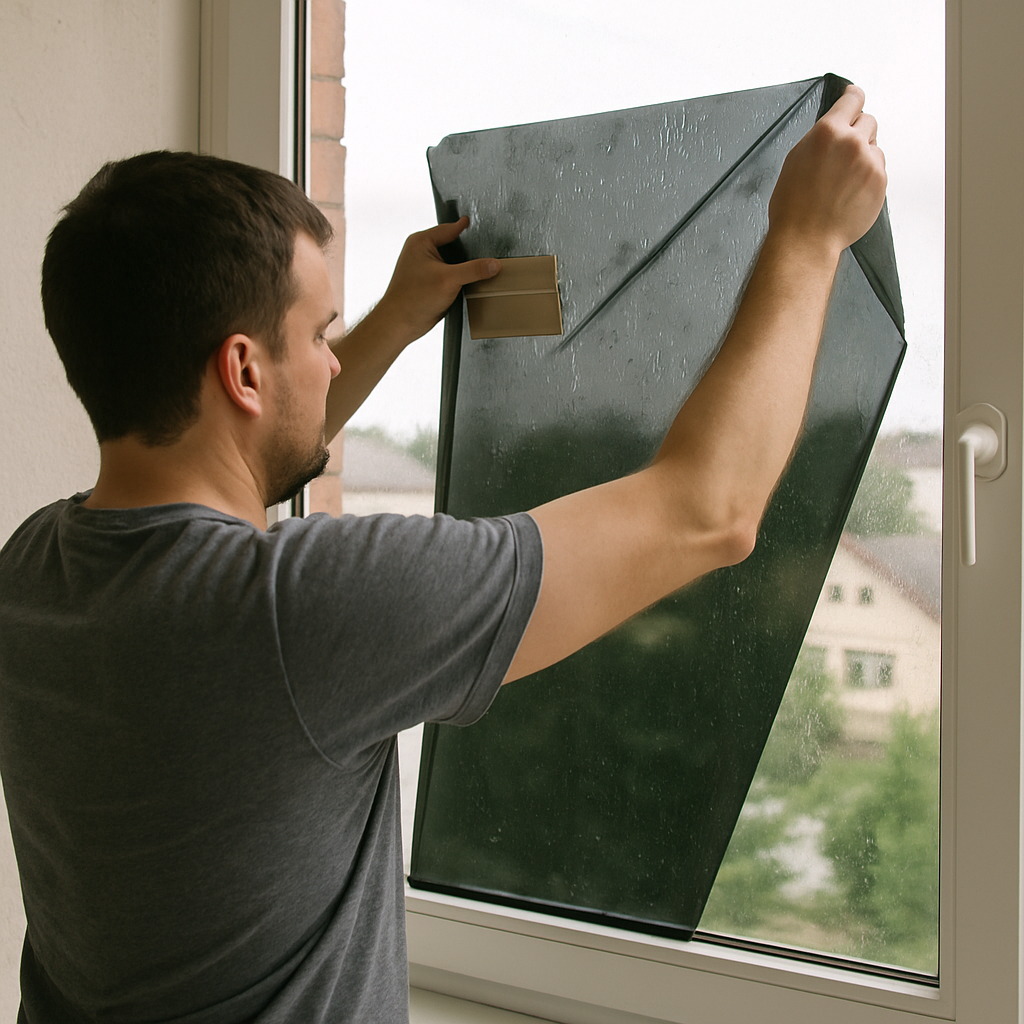
When selecting the best home window film for heat rejection, consider the following factors:
Film Type
The type of film you choose will impact its performance and appearance. Some common types include:
- Reflective Films: These films have a metallic look and are highly effective at rejecting heat.
- Dual-Reflective Films: Offering a more neutral appearance from the inside, these films are reflective on the outside to maximize heat rejection.
- Ceramic Films: Utilizing advanced technology, ceramic films provide excellent heat rejection without affecting window transparency.
Visible Light Transmission (VLT)
VLT measures the amount of visible light that passes through the film. Lower VLT percentages mean darker films, which can further reduce glare and improve privacy. Consider your preference for natural light when choosing VLT.
Solar Heat Gain Coefficient (SHGC)
SHGC indicates how much solar radiation passes through the film. A lower SHGC means better heat rejection capabilities.
Aesthetic Considerations
Choose a film that complements your home’s aesthetic. Reflective films have a mirrored finish, while ceramic films offer a more natural look.
Installation Process and Considerations

by Blake Harbison (https://unsplash.com/@blake_harbison)
DIY vs. Professional Installation
While DIY kits are available, professional installation ensures optimal performance and longevity. Professionals have the tools and expertise to apply films without bubbles or imperfections, which can compromise effectiveness.
Preparing for Installation
Before installation, clean your windows thoroughly to remove dirt and debris. Ensure the glass is dry, as moisture can affect adhesion.
Maintenance and Longevity
Quality window films can last for many years with minimal maintenance. Clean them with a soft cloth and mild detergent, avoiding abrasive materials that could scratch the film.
Real-World Application: Interior Designer Insights
For interior designers, window films offer a practical solution to common client requests for energy efficiency and aesthetic enhancement. They provide a stylish way to reduce energy costs, which is particularly appealing for eco-conscious clients.
Designers can select films that align with the overall design theme of a space, whether it’s a sleek modern apartment or a cozy traditional home. The wide range of available films allows for creative flexibility, enabling designers to meet both functional and aesthetic requirements.
Environmental Impact and Cost Savings
Implementing window films in your home not only benefits you financially but also positively impacts the environment. By reducing the need for air conditioning, you lower your carbon footprint, contributing to a more sustainable future.
Calculating Potential Savings
Consider the following example: If your home’s cooling costs are around $200 per month during peak summer months, installing window films could reduce this expense by 30-40%. This means potential savings of $60-$80 per month, which adds up over time.
Rebates and Incentives
Check with local utilities or government programs for rebates or incentives available for energy-efficient upgrades like window films. These can offset initial installation costs, making the investment even more attractive.
Conclusion: The Smart Choice for Homeowners
Window films for heat rejection represent a smart investment for any homeowner. They enhance comfort, reduce energy bills, and protect your interiors—all while offering a range of styles to suit any design preference.
By choosing the right film and ensuring proper installation, you can enjoy the benefits of a cooler, more energy-efficient home. Whether you’re an interior designer looking for cost-effective solutions for clients or a homeowner seeking to improve your living space, window films are a valuable addition to any home improvement strategy.