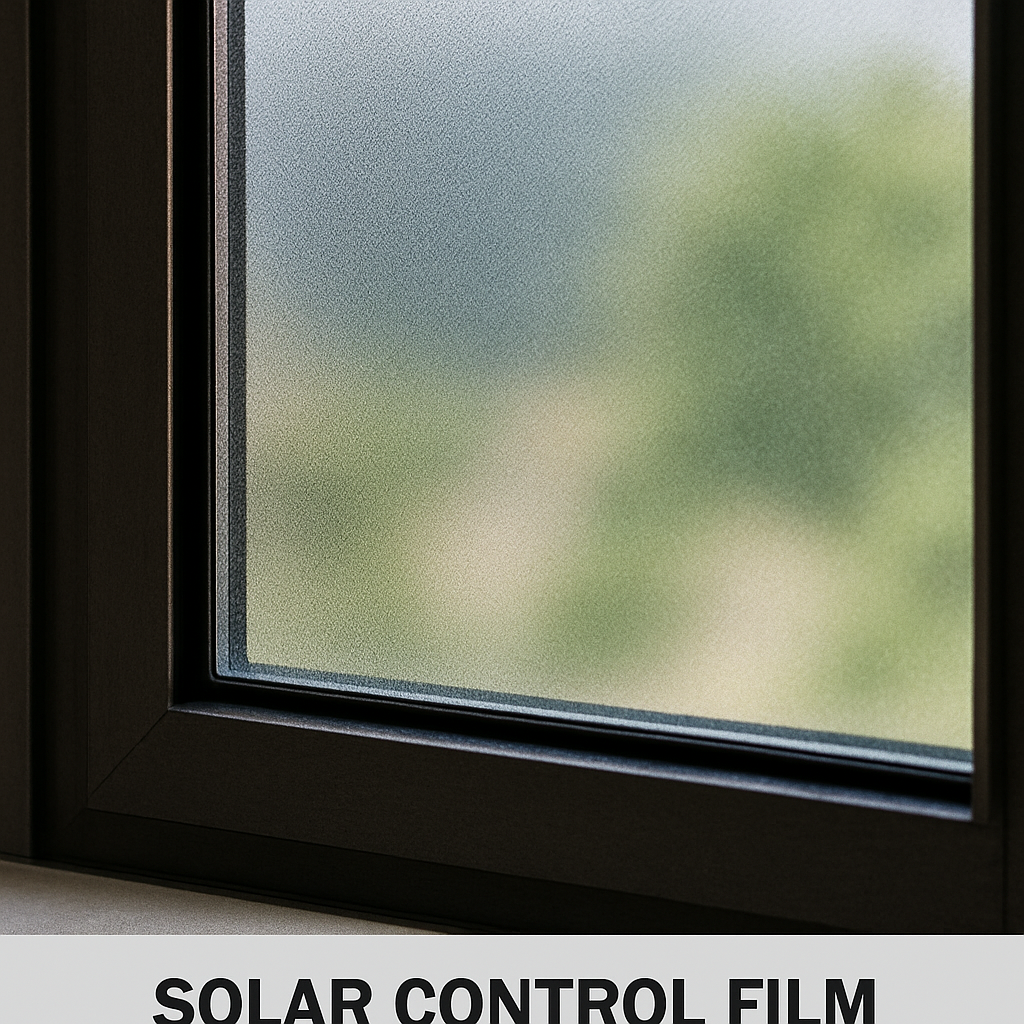
When it comes to enhancing home comfort and energy efficiency, solar control window film is a remarkable solution. It offers not only energy savings but also provides privacy and improved aesthetics. With the right application, solar window films can transform the way you experience your living spaces.
In this article, we’ll delve into practical tips for using solar control window film, ensuring you get the most out of this innovative home improvement solution.
Solar control window film is a thin layer of film applied to the interior or exterior of windows. Its primary purpose is to reduce heat and glare from the sun, helping to maintain a comfortable indoor temperature. This film is often made from polyester or other heat-rejecting materials and can be clear, tinted, or reflective. According to the U.S. Department of Energy, window films can significantly improve energy performance by reducing solar heat gain and improving overall comfort.
Benefits of Solar Control Window Film
- Energy Efficiency: By blocking a significant amount of solar heat, these films reduce the need for air conditioning, leading to lower energy bills.
- UV Protection: They block up to 99% of harmful UV rays, protecting your furniture, flooring, and skin from damage.
- Glare Reduction: Solar window films significantly cut down on glare, making it easier to view screens or enjoy natural light without discomfort.
- Privacy: Reflective or tinted films can provide added privacy without sacrificing natural light.
Choosing the Right Window Film
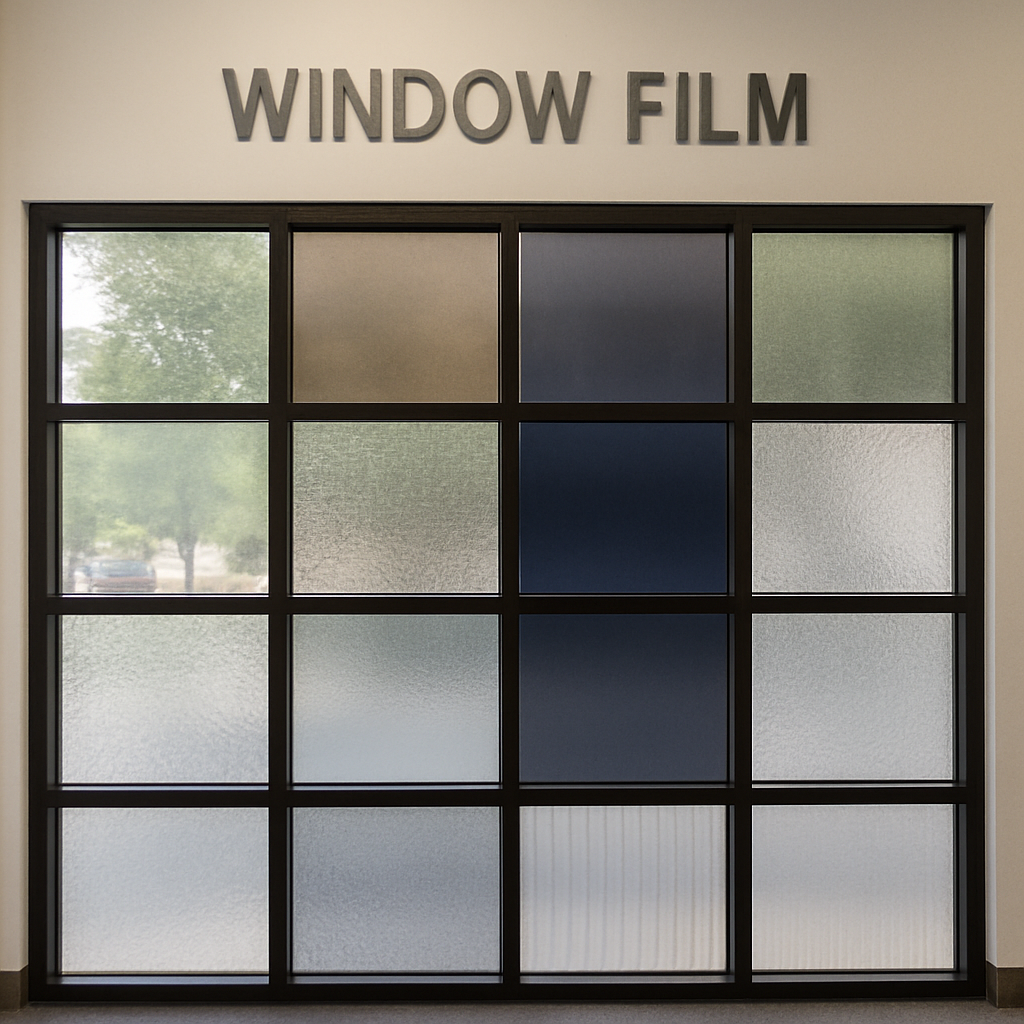
Selecting the right type of solar control window film depends on several factors, including your specific needs, the direction your windows face, and aesthetic preferences. Here’s how to make the best choice:
Assess Your Needs
Consider whether your priority is reducing heat, enhancing privacy, or both. If privacy is a concern, opt for a reflective or tinted film. If maintaining a clear view is important, look for films that offer heat reduction without tinting.
Evaluate Window Orientation
Windows facing south and west receive the most sunlight and heat, so they would benefit the most from solar control window films. For these windows, consider films that offer maximum heat rejection. You can also maximize energy efficiency with solar window films by selecting the appropriate heat rejection level and visible light transmission (VLT%) based on your home’s layout.
Consider Aesthetics
Choose a film that complements the interior and exterior appearance of your home. Modern films come in various shades and finishes, allowing you to match the film to your home’s decor style.
Installation Tips
Proper installation is crucial for maximizing the benefits of solar control window film. You can choose to DIY or hire a professional installer. Here’s what to consider:
DIY Installation
- Clean Thoroughly: Ensure windows are thoroughly cleaned before applying the film. Any dust or dirt will lead to bubbles and imperfections.
- Measure Precisely: Measure your windows accurately and cut the film to size, leaving a slight excess for trimming after application.
- Use the Right Tools: A squeegee, utility knife, and spray bottle with a soap solution are essential for a smooth installation.
- Follow Instructions: Carefully follow the manufacturer’s instructions for the best results.
Hiring a Professional
If you opt for professional installation, ensure the installer is experienced and comes recommended. Professional installers often guarantee their work, providing you peace of mind.
Maintenance and Care

by Sydney Moore
Solar control window films are low-maintenance, but a little care goes a long way in maintaining their effectiveness and appearance. The U.S. Environmental Protection Agency (EPA) also highlights energy-efficient window solutions as an important step in reducing overall building energy consumption.
Cleaning Tips
- Wait Before Cleaning: Allow the film to cure for at least 30 days before the first cleaning.
- Use Gentle Cleaners: Avoid harsh chemicals. Instead, use a mild soap solution and a soft cloth.
- Avoid Abrasives: Never use abrasive materials or tools that could scratch the film.
Regular Inspections
Periodically inspect the film for any signs of peeling or bubbling. Addressing these issues early can prevent larger problems and prolong the film’s lifespan.
Real-World Applications
Solar control window films are versatile and can be applied in various settings beyond residential homes:
Commercial Buildings
Office buildings benefit from reduced glare on computer screens, lower energy costs, and a comfortable environment for employees and clients.
Retail Spaces
Retailers use window films to protect merchandise from UV damage while maintaining a comfortable shopping environment.
Cars and Vehicles
Solar films in vehicles enhance privacy, reduce glare, and keep interiors cooler, improving overall driving comfort.
Conclusion
Solar control window film is a smart investment for anyone looking to improve energy efficiency, enhance privacy, and protect interior furnishings. By choosing the right film and ensuring proper installation and maintenance, you can enjoy the benefits of this innovative solution for years to come.
Whether you’re an interior designer seeking to offer eco-friendly solutions to clients or a homeowner looking to enhance your living space, solar window films provide a practical and stylish option. Embrace this technology and transform the way you experience your home or business environment.