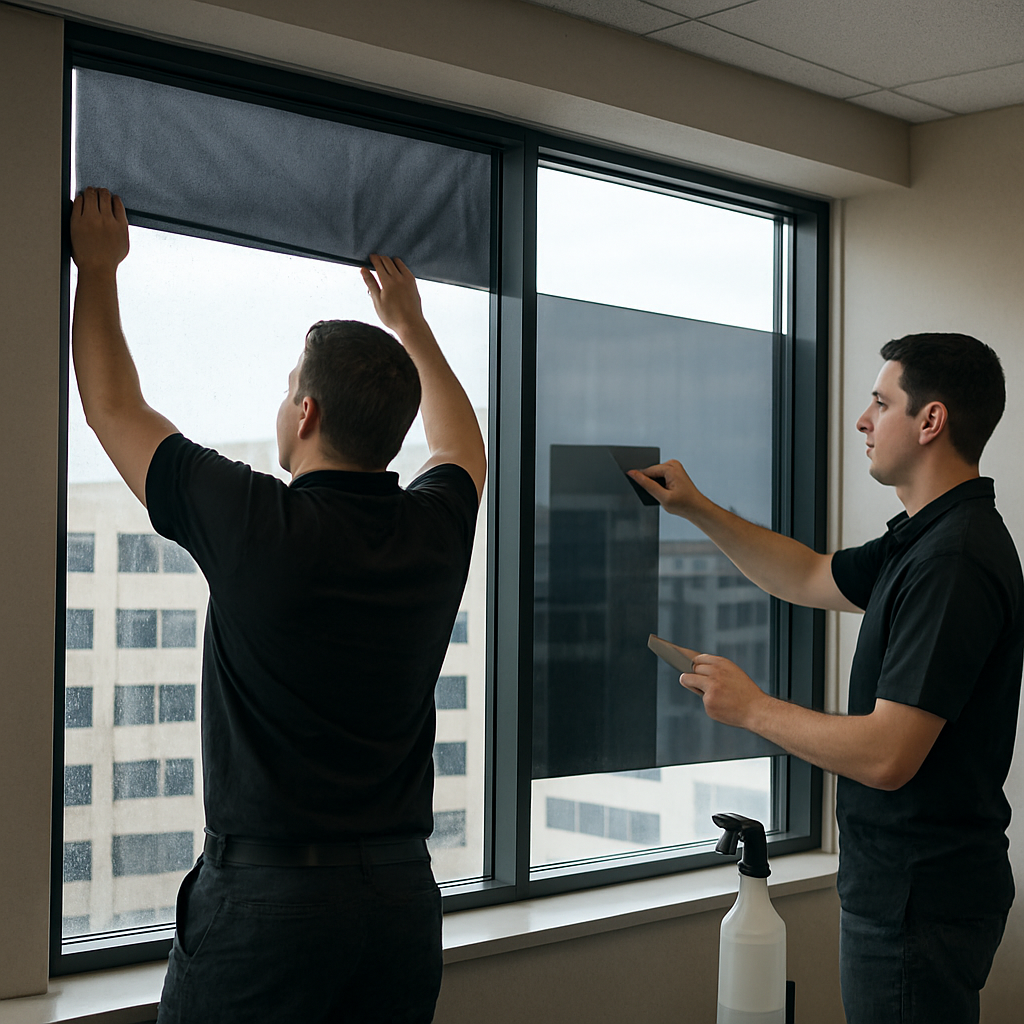
When it comes to enhancing the functionality and aesthetics of a building, commercial window tinting is often overlooked. Yet, this simple installation can offer numerous benefits that go beyond just keeping out the sun. In this article, we will delve into the advantages of commercial window tinting and why it should be a consideration for every business and interior designer looking to improve the space.
Commercial window tinting involves applying a thin film to the interior of a building’s windows. This film can vary in color, thickness, and material, allowing for different levels of privacy and sun protection. While many are familiar with tinting in cars or residential spaces, commercial window tinting serves specific purposes that are tailored to business environments.
Types of Commercial Window Tinting
- Solar Control Films: These are designed to reduce heat and glare, making for a more comfortable indoor environment.
- Privacy Films: These films increase privacy by making it difficult for people outside to see in, while still allowing those inside to see out.
- Decorative Films: These add aesthetic appeal to windows without the cost of replacing the glass.
- Security Films: These enhance the safety of windows by making them more shatter-resistant.
Benefits of Commercial Window Tinting
Energy Efficiency
One of the most significant benefits of commercial window tinting is improved energy efficiency. By reducing the amount of heat entering the building, window tinting can lower cooling costs, which is particularly beneficial in hot climates. This reduction in energy use not only saves money but also reduces the building’s carbon footprint, making it a more sustainable choice.
Enhanced Comfort and Productivity
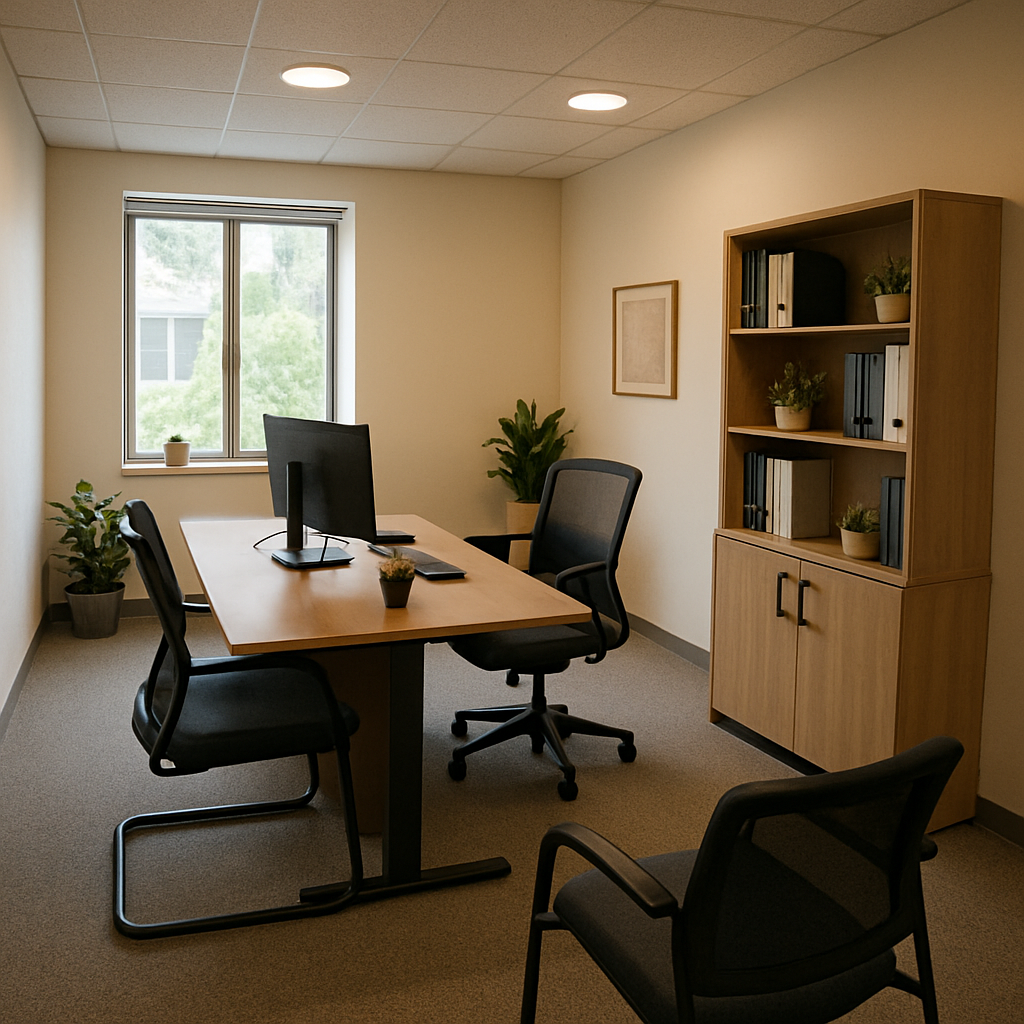
Reducing glare and controlling indoor temperature can significantly enhance comfort for employees and customers. A comfortable environment can lead to increased productivity among employees, as they are less likely to be distracted by discomfort from heat or glare.
Improved Privacy and Security
Privacy window tints are an excellent solution for businesses that require discretion. They prevent prying eyes from peering into sensitive areas without sacrificing natural light. Moreover, security films can protect against break-ins and vandalism by holding shattered glass together, reducing the risk of injury and theft.
Aesthetic Enhancement
Window tinting can also serve as an interior design tool. Decorative films can be used to create patterns or frosted looks, providing a sleek, modern appearance. This is an affordable way to update the look of a space without a complete renovation.
UV Protection
Commercial window tinting blocks up to 99% of harmful UV rays. This not only protects the skin of those inside but also helps prevent furniture, carpets, and artwork from fading due to sun exposure.
Addressing Common Misconceptions
Tinting Will Make Interiors Too Dark
One common concern is that window tinting will make the interior too dark. However, modern films are designed to allow natural light in while still providing the benefits of reduced glare and heat. You can choose from various levels of tint to find the perfect balance for your space.
Tinting is Only for Hot Climates
While it’s true that window tinting is beneficial in reducing heat, its benefits are not limited to warm climates. In colder regions, window tinting can help retain heat within the building, thus reducing heating costs.
Tinting is Expensive
The initial cost of window tinting may seem high, but the long-term savings on energy bills and protection of interior furnishings make it a cost-effective solution. Additionally, many businesses find that the aesthetic and functional improvements help attract and retain customers, boosting revenue.
Choosing the Right Tinting Solution

by Aditya Shetty (https://unsplash.com/@adityashetty)
Selecting the right tinting solution involves understanding the specific needs of your business or client. Here are some steps to consider:
- Assess Your Needs: Determine whether your primary goal is to reduce glare, improve privacy, enhance security, or all of the above.
- Consult a Professional: Work with a professional installer who can guide you through the options and provide samples.
- Consider Aesthetics: Think about how the tint will complement the existing design and whether decorative films might be appropriate.
- Evaluate the Cost: Compare the upfront costs with potential energy savings and other benefits over time.
- Check Local Regulations: Ensure compliance with local building codes and regulations regarding window tinting.
Real-World Applications
Many businesses have successfully integrated window tinting into their spaces. For instance, retail shops use privacy films to protect merchandise from UV damage while maintaining visibility for customers. Office buildings utilize solar control films to create more comfortable work environments that boost employee morale and efficiency.
Conclusion
Commercial window tinting is a versatile and valuable solution for enhancing the efficiency, comfort, and appearance of any business space. By understanding its benefits and overcoming common misconceptions, businesses can make informed decisions that lead to long-term success. Whether you’re an interior designer seeking to improve client spaces or a business owner looking to enhance your premises, commercial window tinting offers a range of solutions tailored to meet diverse needs.
Incorporate window tinting into your next project and experience the overlooked advantages that transform ordinary spaces into extraordinary environments.