Categories
Window Films and Tints

Real-World Tips for Solar Control Window Film

When it comes to enhancing home comfort and energy efficiency, solar control window film is a remarkable solution. It offers not only energy savings but also provides privacy and improved aesthetics. With the right application, solar window films can transform the way you experience your living spaces.

In this article, we’ll delve into practical tips for using solar control window film, ensuring you get the most out of this innovative home improvement solution.

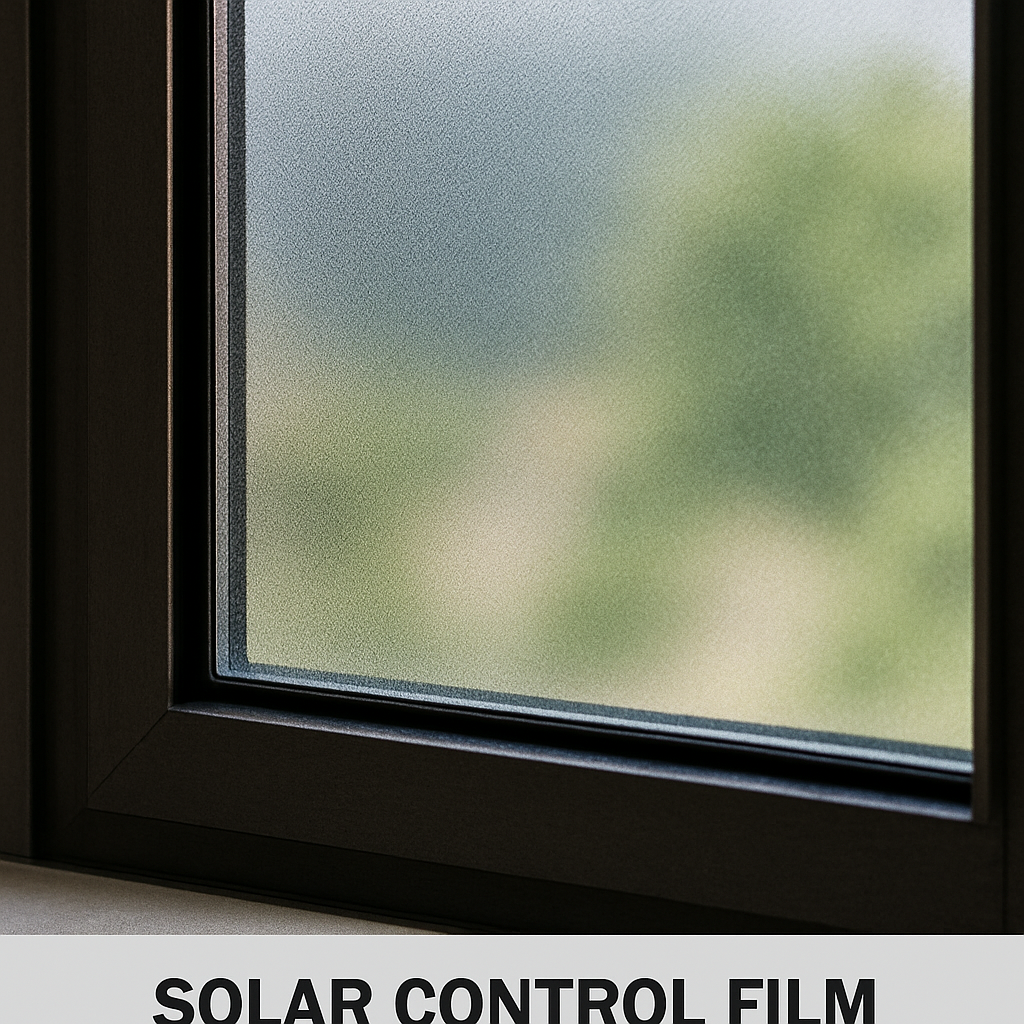
Solar control window film is a thin layer of film applied to the interior or exterior of windows. Its primary purpose is to reduce heat and glare from the sun, helping to maintain a comfortable indoor temperature. This film is often made from polyester or other heat-rejecting materials and can be clear, tinted, or reflective. According to the U.S. Department of Energy, window films can significantly improve energy performance by reducing solar heat gain and improving overall comfort.

Benefits of Solar Control Window Film

  1. Energy Efficiency: By blocking a significant amount of solar heat, these films reduce the need for air conditioning, leading to lower energy bills.
  2. UV Protection: They block up to 99% of harmful UV rays, protecting your furniture, flooring, and skin from damage.
  3. Glare Reduction: Solar window films significantly cut down on glare, making it easier to view screens or enjoy natural light without discomfort.
  4. Privacy: Reflective or tinted films can provide added privacy without sacrificing natural light.

Choosing the Right Window Film
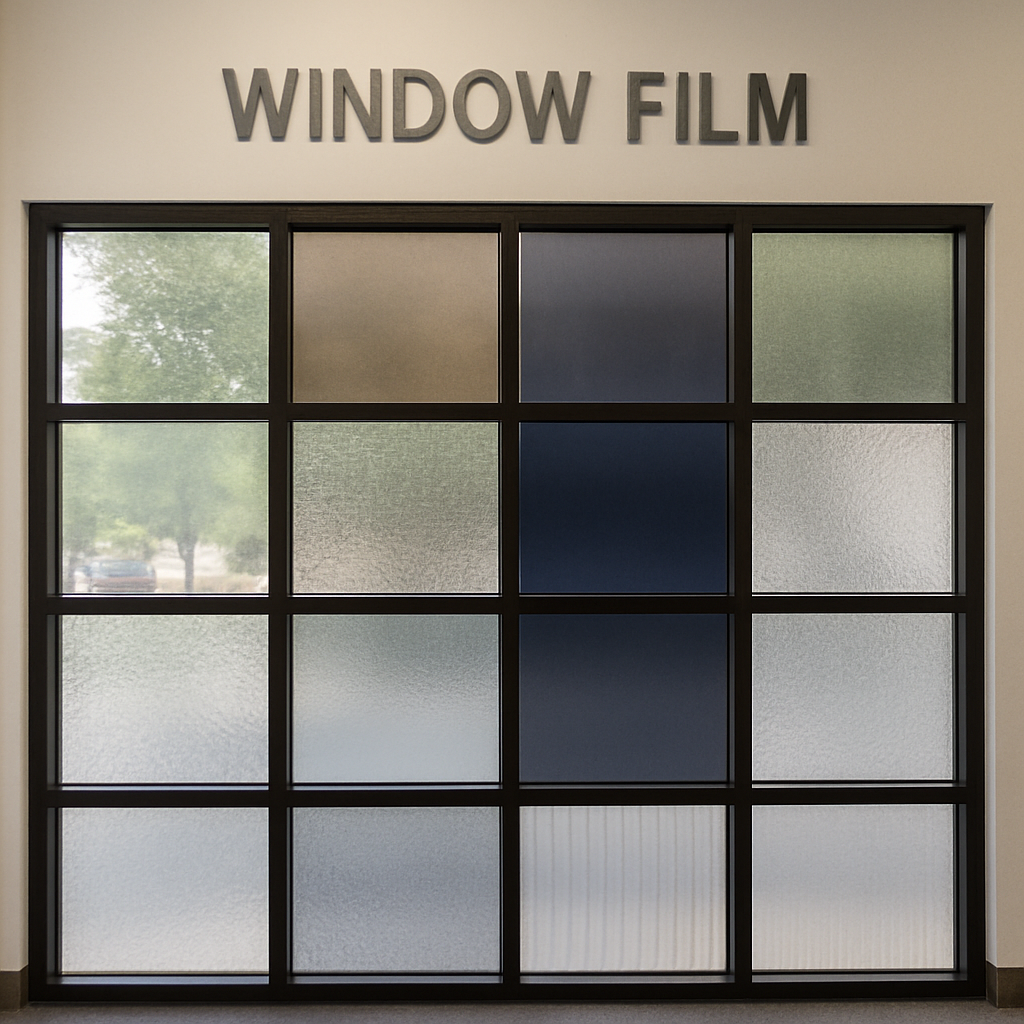
A variety of window films displayed in a showroom

Selecting the right type of solar control window film depends on several factors, including your specific needs, the direction your windows face, and aesthetic preferences. Here’s how to make the best choice:

Assess Your Needs

Consider whether your priority is reducing heat, enhancing privacy, or both. If privacy is a concern, opt for a reflective or tinted film. If maintaining a clear view is important, look for films that offer heat reduction without tinting.

Evaluate Window Orientation

Windows facing south and west receive the most sunlight and heat, so they would benefit the most from solar control window films. For these windows, consider films that offer maximum heat rejection. You can also maximize energy efficiency with solar window films by selecting the appropriate heat rejection level and visible light transmission (VLT%) based on your home’s layout.

Consider Aesthetics

Choose a film that complements the interior and exterior appearance of your home. Modern films come in various shades and finishes, allowing you to match the film to your home’s decor style.

Installation Tips

Proper installation is crucial for maximizing the benefits of solar control window film. You can choose to DIY or hire a professional installer. Here’s what to consider:

DIY Installation

  1. Clean Thoroughly: Ensure windows are thoroughly cleaned before applying the film. Any dust or dirt will lead to bubbles and imperfections.
  2. Measure Precisely: Measure your windows accurately and cut the film to size, leaving a slight excess for trimming after application.
  3. Use the Right Tools: A squeegee, utility knife, and spray bottle with a soap solution are essential for a smooth installation.
  4. Follow Instructions: Carefully follow the manufacturer’s instructions for the best results.

Hiring a Professional

If you opt for professional installation, ensure the installer is experienced and comes recommended. Professional installers often guarantee their work, providing you peace of mind.

Maintenance and Care

A homeowner cleaning a window with solar film

by Sydney Moore

Solar control window films are low-maintenance, but a little care goes a long way in maintaining their effectiveness and appearance. The U.S. Environmental Protection Agency (EPA) also highlights energy-efficient window solutions as an important step in reducing overall building energy consumption.

Cleaning Tips

  1. Wait Before Cleaning: Allow the film to cure for at least 30 days before the first cleaning.
  2. Use Gentle Cleaners: Avoid harsh chemicals. Instead, use a mild soap solution and a soft cloth.
  3. Avoid Abrasives: Never use abrasive materials or tools that could scratch the film.

Regular Inspections

Periodically inspect the film for any signs of peeling or bubbling. Addressing these issues early can prevent larger problems and prolong the film’s lifespan.

Real-World Applications

Solar control window films are versatile and can be applied in various settings beyond residential homes:

Commercial Buildings

Office buildings benefit from reduced glare on computer screens, lower energy costs, and a comfortable environment for employees and clients.

Retail Spaces

Retailers use window films to protect merchandise from UV damage while maintaining a comfortable shopping environment.

Cars and Vehicles

Solar films in vehicles enhance privacy, reduce glare, and keep interiors cooler, improving overall driving comfort.

Conclusion

Solar control window film is a smart investment for anyone looking to improve energy efficiency, enhance privacy, and protect interior furnishings. By choosing the right film and ensuring proper installation and maintenance, you can enjoy the benefits of this innovative solution for years to come.

Whether you’re an interior designer seeking to offer eco-friendly solutions to clients or a homeowner looking to enhance your living space, solar window films provide a practical and stylish option. Embrace this technology and transform the way you experience your home or business environment.
Categories
Window Films and Tints

Consumer Advice for Security Film For Windows

In today’s world, safety and security are paramount concerns for homeowners. Among the various security measures available, security film for windows stands out as an effective and economical option. This article delves into the benefits, considerations, and installation aspects of window security film, offering essential advice for consumers looking to enhance their home security.

Security film for windows is a robust, adhesive material applied to glass surfaces. Its primary function is to hold shattered glass together, thereby preventing injuries and deterring break-ins. But its utility extends beyond just safety; it also offers UV protection, energy savings, and privacy benefits.

Key Benefits of Window Security Film

  1. Enhanced Safety and Security: The film holds the glass in place during an impact, reducing the risk of injury from flying shards. This feature makes it difficult for intruders to gain quick access, acting as a deterrent.
  2. UV Protection: Security films can block up to 99% of harmful UV rays. This not only protects your skin but also helps preserve the color and integrity of your interior furnishings.
  3. Energy Efficiency: By reflecting heat away from your windows, the film can reduce your reliance on air conditioning, thereby lowering energy bills. This is particularly beneficial for homeowners looking to boost the eco-friendliness of their homes. Learn more about energy-saving window upgrades from the U.S. Department of Energy.
  4. Privacy: Tinted or reflective films can provide an additional layer of privacy without sacrificing natural light, making them ideal for urban homes or ground-floor windows.

Considerations Before Purchase

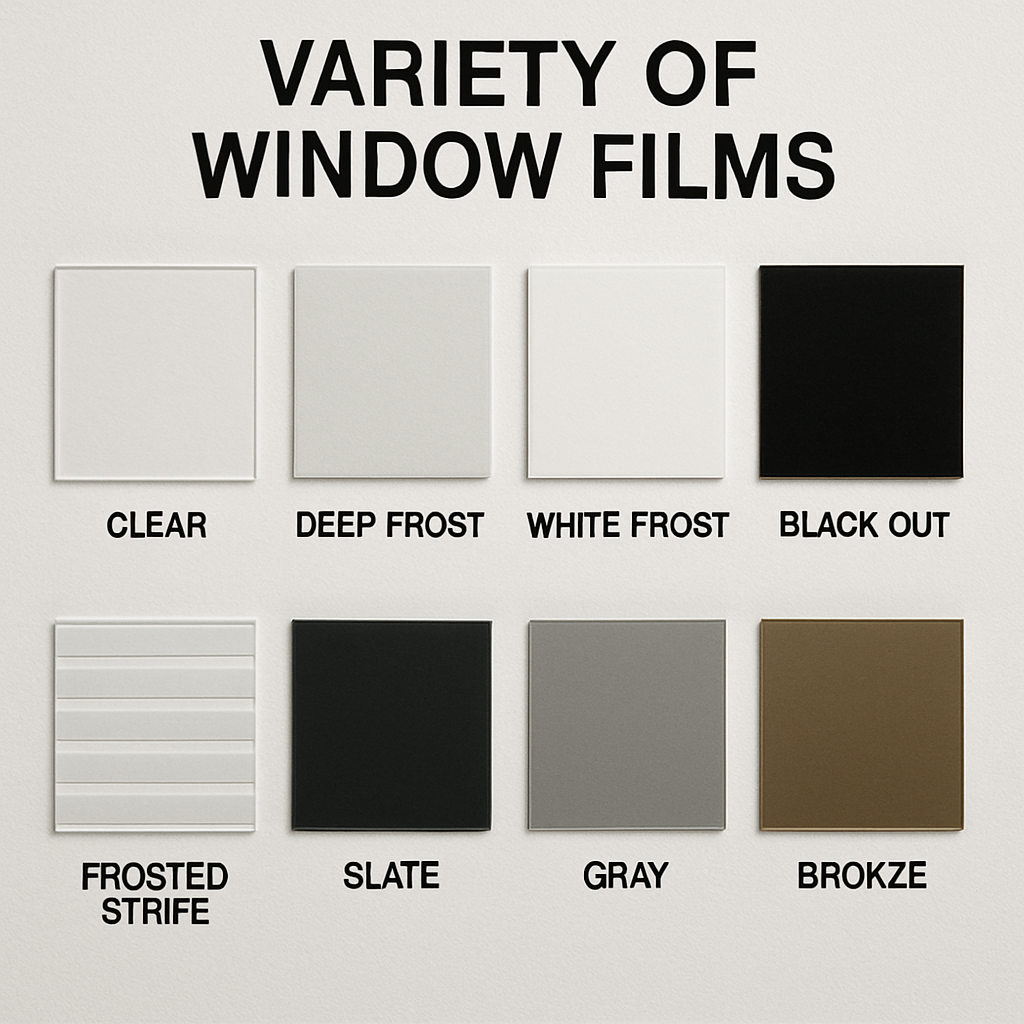
Variety of window films

When considering security film for your windows, it’s crucial to evaluate several factors to ensure you select the best option for your needs.

Thickness and Durability

Security films come in various thicknesses, typically ranging from 4 to 15 mils. Thicker films offer greater security and protection, but they may also cost more. Evaluate your specific security needs and budget to determine the appropriate thickness.

Clarity and Tint

Consider the aesthetic impact of the film on your windows. Clear films are less noticeable but provide fewer privacy benefits compared to tinted films, which can also enhance energy efficiency by reducing glare and heat.

Quality and Warranty

Not all films are created equal. Look for reputable manufacturers who offer a warranty on their products. A good warranty is a sign of quality and reliability, ensuring that your investment is protected.

Professional Installation vs. DIY

While DIY installation might seem cost-effective, professional installation ensures the film is applied correctly, maximizing its security benefits and longevity. Professionals have the expertise to handle any window type and can provide valuable advice on film selection.

Installation Process of Window Security Film

Installing security film requires precision and attention to detail. Here’s a basic overview of the process:

Preparation

  1. Clean the Windows: Ensure the glass surface is thoroughly cleaned and free from dust, grease, or debris. Any imperfections can affect the film’s adhesion and appearance.
  2. Measure and Cut the Film: Measure your windows accurately and cut the film slightly larger than the glass surface to ensure complete coverage.

Application

  1. Apply Adhesive Solution: Spray a mixture of water and mild soap onto the window. This solution acts as a lubricant, allowing you to position the film accurately.
  2. Position the Film: Carefully place the film onto the wet glass surface, starting from the top and working your way down. Smooth out any air bubbles or creases with a squeegee.

Finishing Touches

  1. Trim Excess Film: Use a sharp utility knife to trim any excess film, ensuring a perfect fit to the window’s edges.
  2. Drying and Curing: Allow the film to dry and adhere properly. This process can take several days, depending on the climate and film type.

Maintenance and Longevity

Maintaining window films

by Annie Spratt (https://unsplash.com/@anniespratt)

Proper maintenance is key to ensuring the longevity and effectiveness of your window security film. Here are some tips:

  • Regular Cleaning: Use a soft cloth and mild detergent to clean the film. Avoid abrasive materials that could scratch or damage the film.
  • Inspect Periodically: Check for signs of wear or peeling and address any issues promptly to maintain optimal performance.
  • Avoid Harsh Conditions: Extreme temperatures or constant exposure to direct sunlight may affect the film’s longevity. Consider these factors when choosing a film.

Choosing the Right Security Film for Your Needs

When selecting a security film, balance between aesthetics, functionality, and budget is essential. Consider your primary concerns—be it security, energy efficiency, or privacy—and choose a film that aligns with these needs. Consulting with a professional can also provide valuable insights and tailored recommendations.

The Added Value of Security Film

Security film for windows not only enhances safety but also adds value to your home. It is a cost-effective solution that combines security, aesthetics, and energy savings, making it an attractive option for homeowners seeking to improve their living spaces.

In conclusion, investing in window security film is a practical decision that offers a range of benefits. By understanding the different types and their applications, you can make an informed choice that will protect your home and enhance its comfort and efficiency.

Security film for windows is more than just a protective layer; it is a wise investment in your home’s safety, energy efficiency, and overall value.