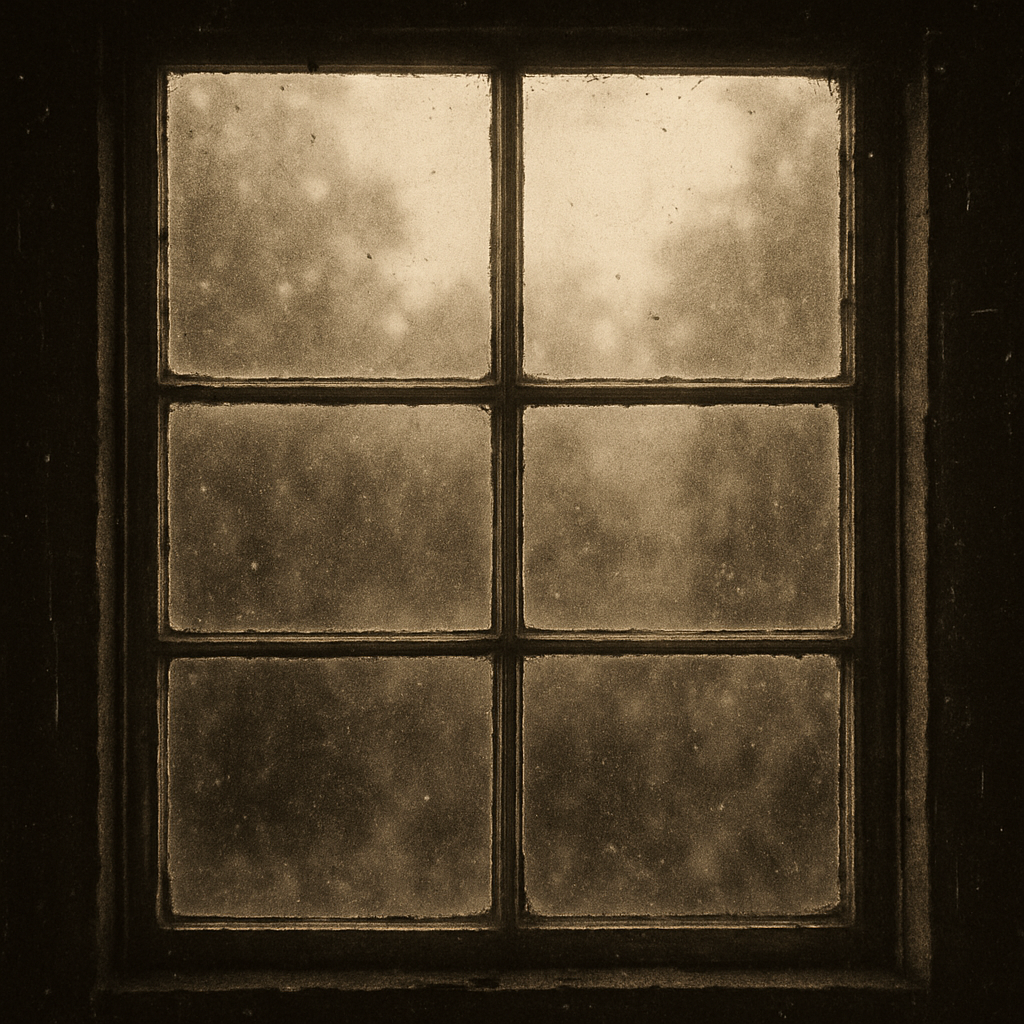
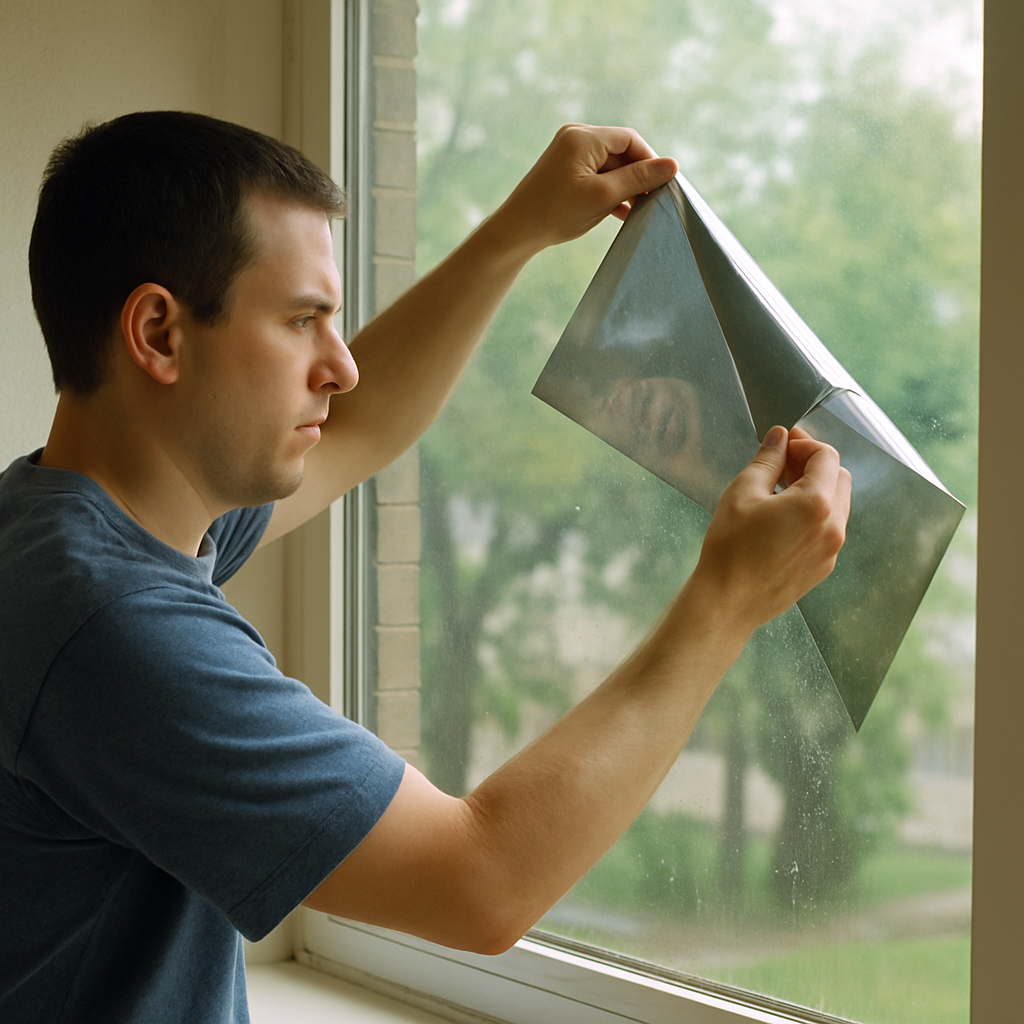
In the realm of home improvement, frosted window film has emerged as a preferred solution for both homeowners and interior designers. Its versatility, cost-effectiveness, and ability to enhance room aesthetics while providing essential privacy make it an attractive option. As more individuals seek to upgrade their spaces or offer innovative solutions to clients, understanding the myriad benefits and potential applications of frosted window film becomes increasingly important. This article explores the various facets of frosted window film, offering insights into its selection, installation, and maintenance.
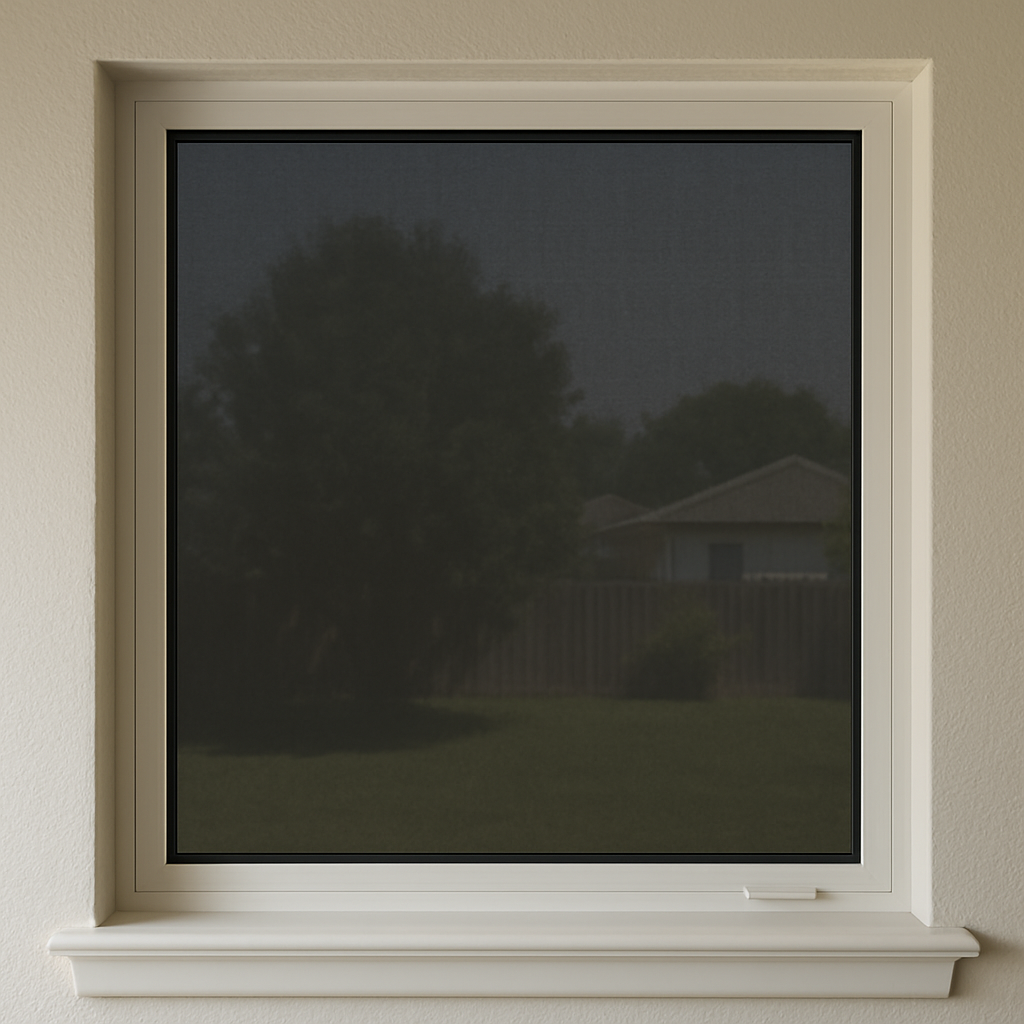
Frosted window film is a thin, adhesive material that can be applied to glass surfaces to give them a frosted or etched appearance. Available in a wide array of designs, patterns, and textures, this film offers endless customization possibilities, catering to diverse aesthetic preferences. It is particularly favored by those looking to increase the privacy of their windows without compromising the influx of natural light, striking a perfect balance between functionality and style.
Beyond just aesthetics and privacy, frosted window film serves as a practical solution in various settings. Its application is not limited to residential spaces; commercial establishments also frequently employ it to create private meeting rooms or stylish partitions without the need for physical barriers. The adaptability of frosted window film to various environments underscores its rising popularity and its role in modern design.
Benefits of Frosted Window Film
Frosted window film offers numerous advantages that make it a popular choice for both residential and commercial spaces:
- Privacy Enhancement: A primary attraction of frosted window film is its ability to provide privacy. By obscuring visibility into a room while still allowing light to filter through, it becomes an ideal solution for spaces such as bathrooms, bedrooms, and office areas. This feature is particularly beneficial in urban settings where privacy is often compromised due to close proximity of neighboring buildings.
- Aesthetic Appeal: With an extensive range of design options, frosted window film can significantly uplift the visual appeal of any space. Whether you prefer modern geometric patterns or timeless floral motifs, there’s a design to match every taste. The film can transform ordinary glass surfaces into unique design elements, enhancing the overall atmosphere and mood of a room.
- Cost-Effective Solution: Compared to traditional etched or frosted glass, window film presents a budget-friendly alternative. It delivers a similar aesthetic outcome without the hefty price tag associated with replacing glass. This affordability makes it accessible to a wider audience, allowing more people to enjoy the benefits of enhanced privacy and style.
- Energy Efficiency: Frosted window film contributes to energy savings by blocking harmful UV rays and regulating indoor temperatures. This can result in reduced reliance on air conditioning during warmer months, translating to lower energy bills. Additionally, by protecting interiors from UV damage, the film helps preserve furniture, flooring, and artwork, extending their lifespan. (Related reading: Energy Efficient Window Coverings)
- Easy Installation and Removal: Unlike traditional methods of frosting glass, window film is straightforward to apply and remove. This ease of use allows for flexibility in design changes, making it an excellent option for renters who wish to personalize their space without permanent alterations. The ability to update or change designs as trends evolve adds to the film’s appeal.
Choosing the Right Frosted Window Film
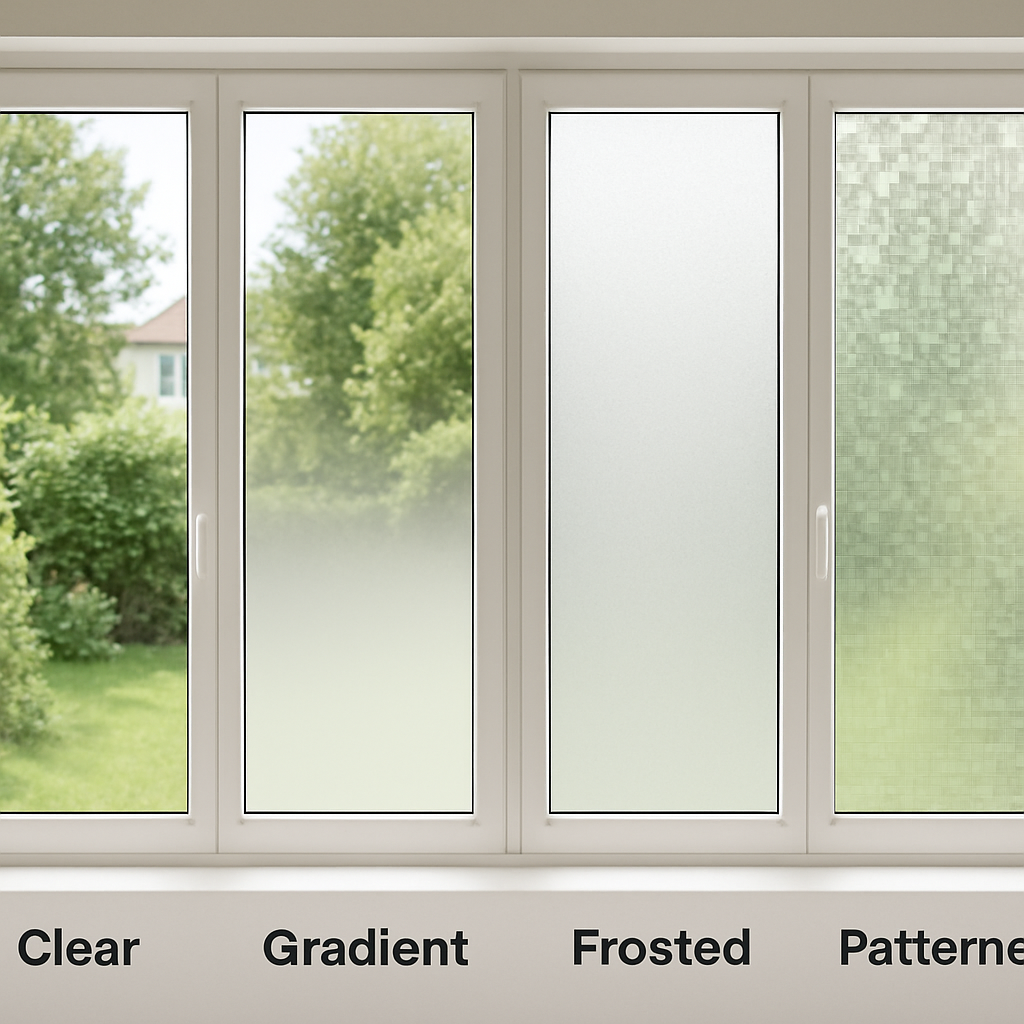
Selecting the right frosted window film involves careful consideration of several factors, including design, intended application, and the specific requirements of your space. Making an informed choice ensures that the film serves its purpose effectively and complements your design vision.
Design and Style
When choosing a frosted window film, consider the overall design of your space. Do you want something simple and understated, or are you looking for a bold statement piece? Here are some popular options:
- Classic Frost: Opting for a simple, uniform frosted look provides maximum privacy while maintaining a clean and sophisticated appearance. This style is ideal for those who prefer a minimalist aesthetic.
- Patterned Designs: Incorporating geometric shapes, stripes, or floral patterns can add a decorative touch to your windows. These designs can serve as focal points or complement existing décor, enhancing the overall ambiance of a room.
- Custom Graphics: Personalized designs or logos are perfect for businesses and commercial spaces, offering a unique way to reinforce brand identity. Custom graphics can transform windows into eye-catching displays that attract attention and convey professionalism.
Purpose and Placement
Consider where you intend to install the frosted window film and its primary function. If privacy is your main concern, a denser frost or intricate pattern may be more suitable. For decorative purposes, a lighter frost with an artistic design might be ideal. Assessing the intended use and location will guide you in selecting the most appropriate film.
Quality and Durability
Not all window films are created equal. Look for high-quality films from reputable manufacturers that offer durability and UV protection. Checking for reviews and ratings can provide insights into the film’s longevity and performance. Investing in a quality product ensures that your frosted window film will withstand the test of time and continue to meet your expectations.
Installation Tips for Frosted Window Film
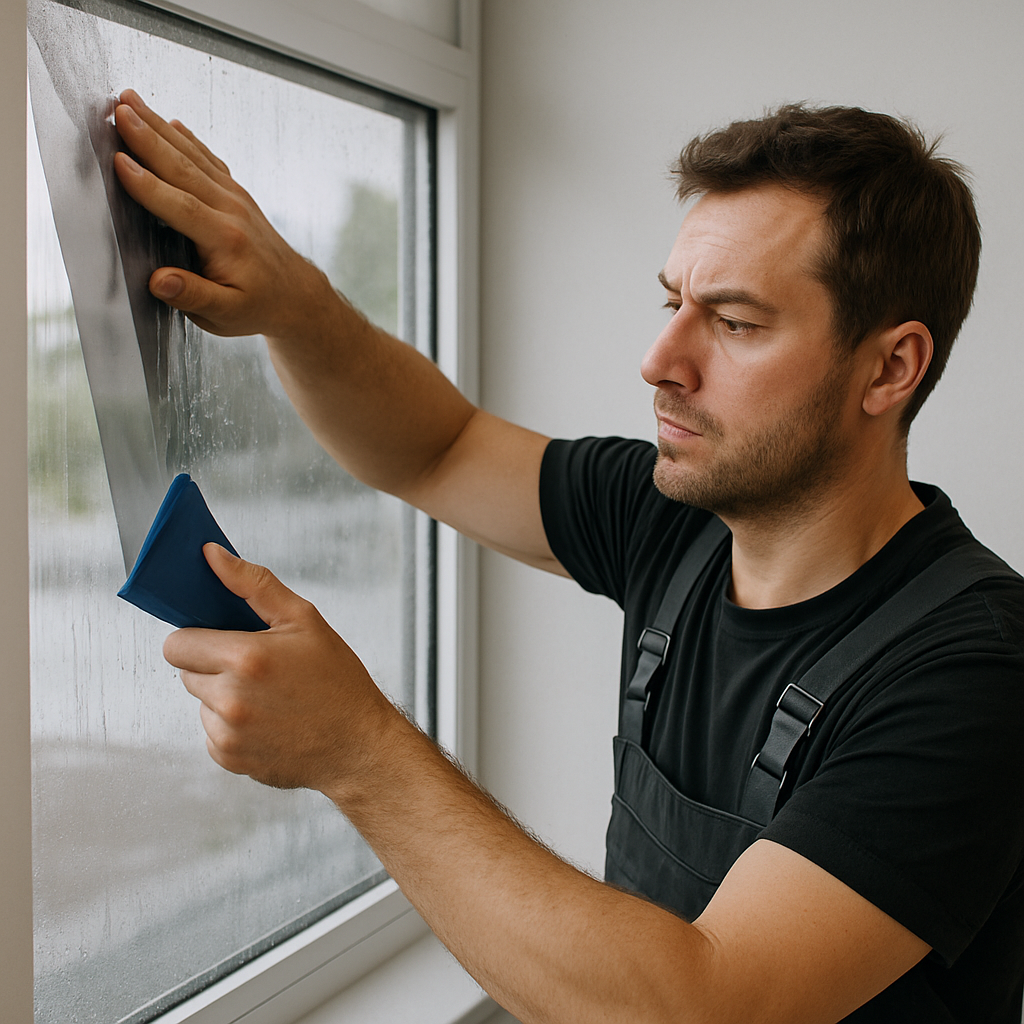
Installing frosted window film is a straightforward process that can be completed by most DIY enthusiasts. However, for large or complex installations, you might prefer to hire a professional to ensure the best results.
DIY Installation Steps
- Clean the Glass Surface: Before applying the film, ensure the glass is clean and free from dust and debris. A spotless surface is crucial for a smooth application, preventing bubbles and ensuring the film adheres properly.
- Measure and Cut the Film: Carefully measure the dimensions of your window and cut the film accordingly, leaving a slight overhang for trimming. Accurate measurements are essential for achieving a professional finish.
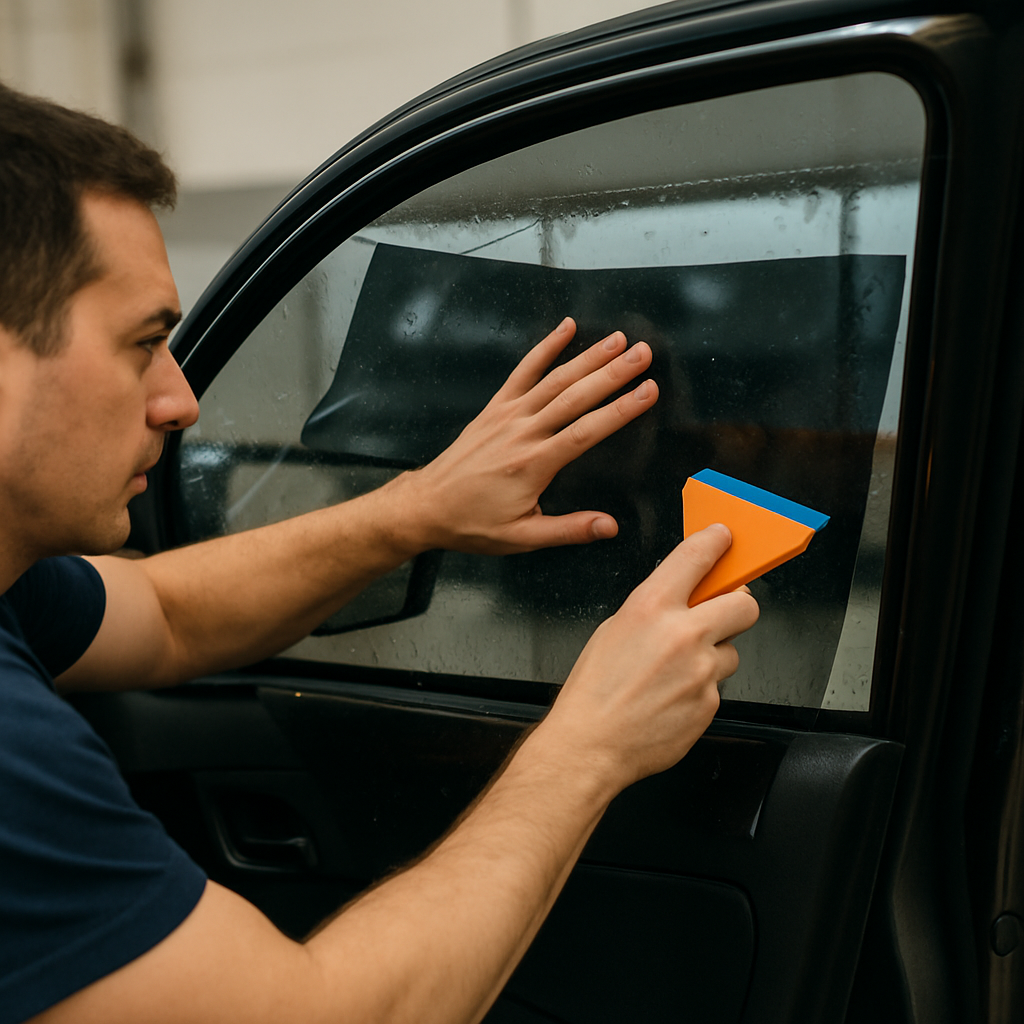
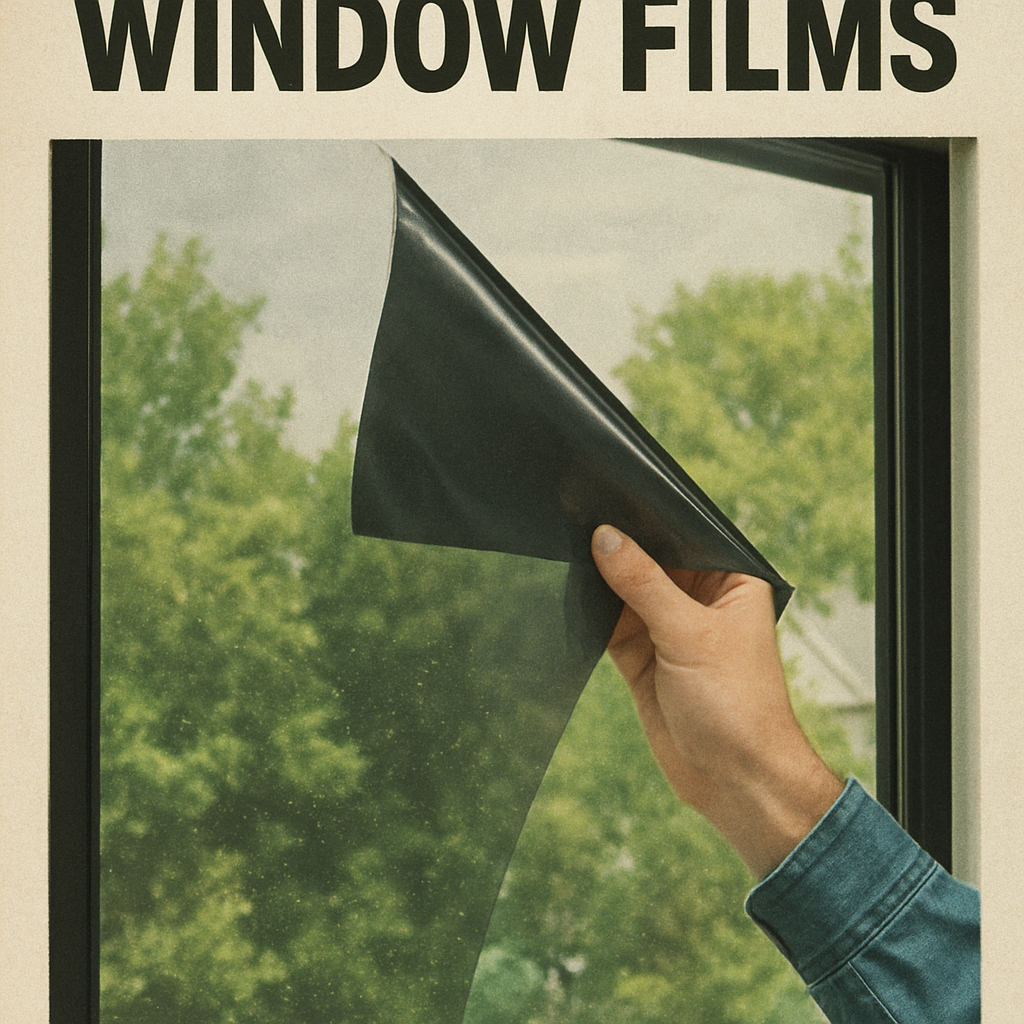
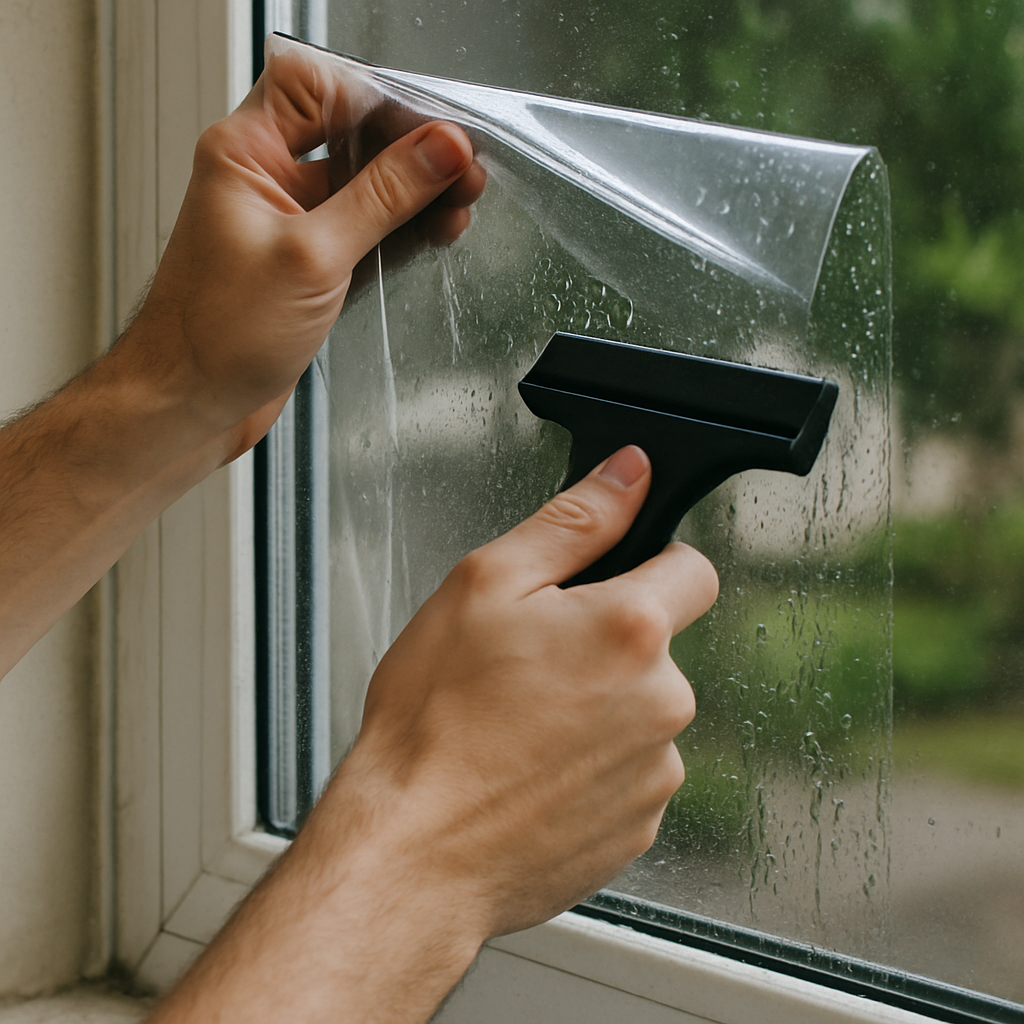
- Apply the Film: Peel the backing off the film and carefully apply it to the glass, starting from the top and working your way down. Using a squeegee or credit card, remove any bubbles and ensure a smooth finish. Patience and precision during this step will result in a flawless application.
- Trim Excess Film: Once the film is applied, use a sharp blade to trim any excess material for a clean edge. This step ensures that the film fits perfectly and enhances the window’s appearance.
- Final Touches: Wipe down the film with a soft cloth to remove any fingerprints or smudges. This final step ensures the film looks pristine and achieves the desired effect.
Hiring a Professional
For larger projects or complex designs, hiring a professional installer may be the best option. Professionals possess the tools and expertise to ensure a flawless application, often completing the job more quickly than a DIY approach. Their experience can be invaluable, particularly when dealing with challenging installations or intricate designs.
Maintaining Your Frosted Window Film

by Andreas Eriksson (https://unsplash.com/@aeriksson)
Proper maintenance of your frosted window film is essential to ensure it remains in good condition and continues to enhance your space for years to come. Routine care can prevent damage and prolong the film’s lifespan.
Cleaning Tips
- Avoid Harsh Chemicals: Use mild soap and water or a specialized window film cleaner to clean your film. Harsh chemicals can damage the film’s surface, reducing its effectiveness and lifespan.
- Soft Cloths Only: Use soft, lint-free cloths to clean the film, avoiding rough materials that can scratch the surface. Gentle cleaning preserves the film’s appearance and prevents unsightly marks.
- Regular Cleaning: Regularly clean your window film to prevent the buildup of dust and dirt, which can affect its appearance and performance. Consistent maintenance ensures the film continues to look its best and functions effectively.
Longevity and Replacement
While frosted window film is designed to be durable, it may eventually need replacement due to wear or damage. Keep an eye out for signs of peeling, bubbling, or discoloration, which indicate it’s time for a new application. Timely replacement ensures that your windows continue to provide privacy and aesthetic appeal.
Conclusion
Frosted window film is a versatile and cost-effective solution for enhancing privacy and aesthetics in any space. Whether you’re a homeowner seeking to upgrade your living environment or an interior designer looking to provide stylish solutions for clients, understanding the benefits and applications of frosted window film is crucial. Its adaptability to different settings and ease of installation make it a practical choice for a wide range of applications.
By choosing quality materials and following proper maintenance practices, you’ll ensure your frosted window film remains a valuable addition to your home or project for years to come. Embrace the possibilities that frosted window film offers, transforming your windows into beautiful, functional elements that complement your interior design and elevate your space. (UV info: UV window film)
::contentReference[oaicite:0]{index=0}